Pidpa knows all there is to know about water
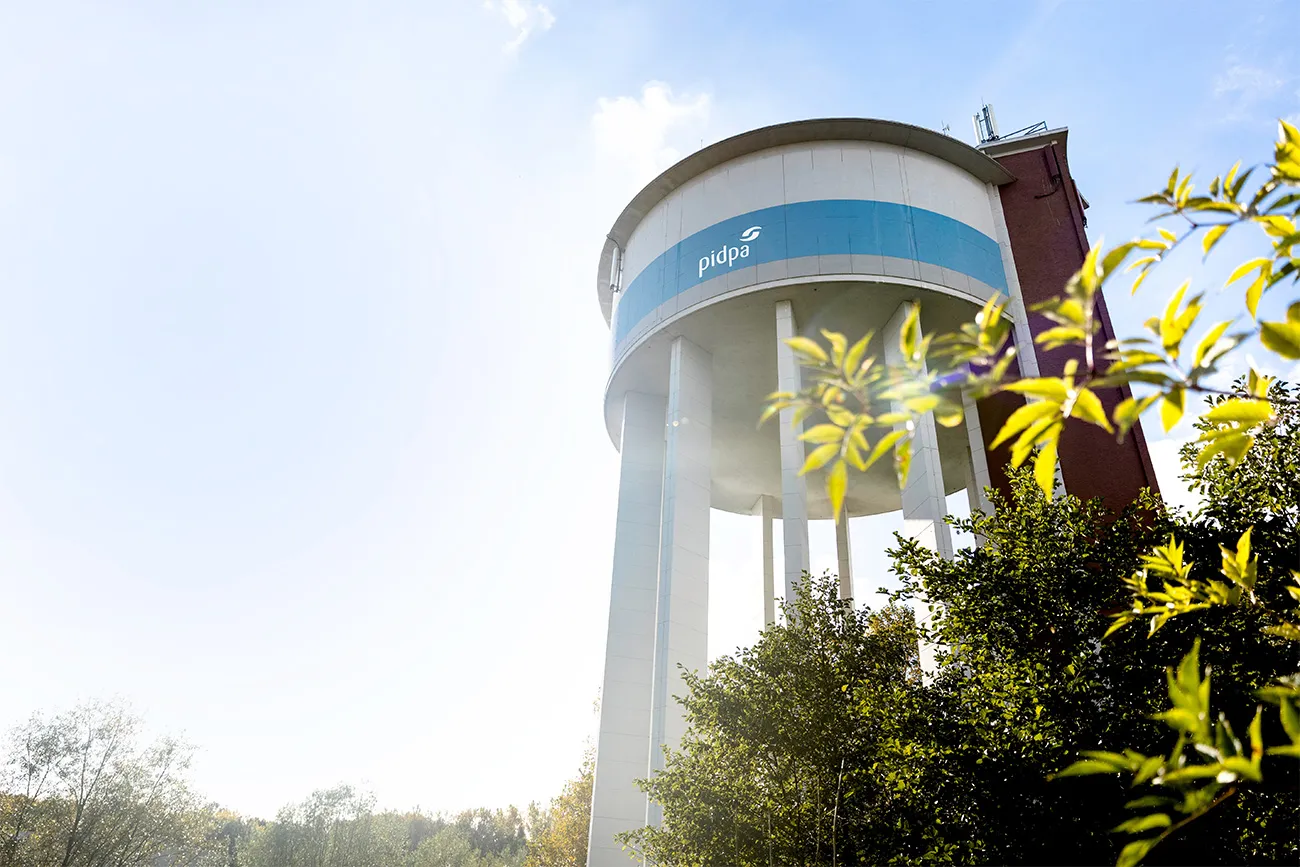
Say Pidpa and you think of water. For more than 100 years, Pidpa has been the integrated water company for the province of Antwerp. An integrated approach means thinking ahead, advising and developing solutions to tomorrow’s climate challenges. Its innovative, sustainable projects make a difference. Some impressive figures? Every day, 175 million litres of groundwater are treated to produce drinking water. The water mains network is more than 13,000 kilometres long, and the facilities are spread across 11 water production centres, 59 water towers and 27 booster stations. Impressive figures indeed.
Pidpa produces and supplies drinking water to more than 1.3 million customers in 64 municipalities in the province of Antwerp. It also manages sewerage in 43 municipalities, a number that continues to grow. Pidpa aims to ensure that future generations can continue to enjoy an adequate supply of clean water. Climate change is bringing new challenges for water management, and the implications are clear. Pidpa works with municipalities and industry partners to find sustainable solutions to tomorrow’s water challenges. These range from large-scale rainwater connections to the construction of water storage basins.
Digital water? Absolutely!
Together with De Watergroep and FARYS, Pidpa has taken the necessary steps to launch a pilot project involving digital water meters. A digital water meter automatically sends water consumption data, along with various other messages, to the water company. This brings a range of benefits for both customers and the water company. Digital water meters are being installed at the same time as digital energy meters, according to Fluvius’s schedule, so that utility companies only need to visit customers’ homes once. By the end of the rollout in 2030, around 2,500,000 digital water meters will have been installed.
Making the most of rainwater
Pidpa is working on several fronts to tackle water scarcity. Alain T’Syen, Communications and CSR Manager: “When the heavens open, we want to prevent water from flowing straight into rivers and out to sea, instead of entering the water cycle. In our circular system, we collect water in storage basins, filter and treat it for new uses, or allow it to infiltrate the ground to maintain groundwater levels.”
Wastewater is a valuable resource
Pidpa began developing suitable sewerage solutions in 2005. The number of municipalities connected has grown steadily. Today, Pidpa manages 4,819 kilometres of sewers, 2,333 kilometres of ditches, 204,923 gullies, 140 KWZI’s (small-scale wastewater treatment plants), 1,620 IBA’s (individual wastewater treatment plants), 458 pumping stations and 311 pressure sewers. The water company is responsible for wastewater drainage and, where possible, rainwater recovery. In this way, Pidpa makes the water cycle a virtually closed system and offers solutions tailored to local needs. “All this infrastructure has to be maintained, renewed and extended where necessary. It’s a mammoth task, but essential, because every drop counts,” says Alain T’Syen.
Working together pays off
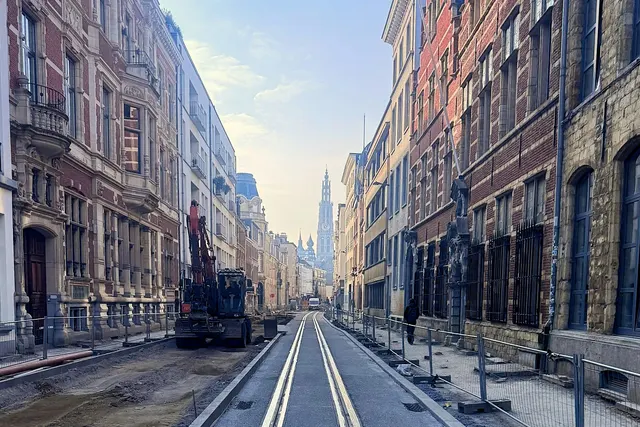
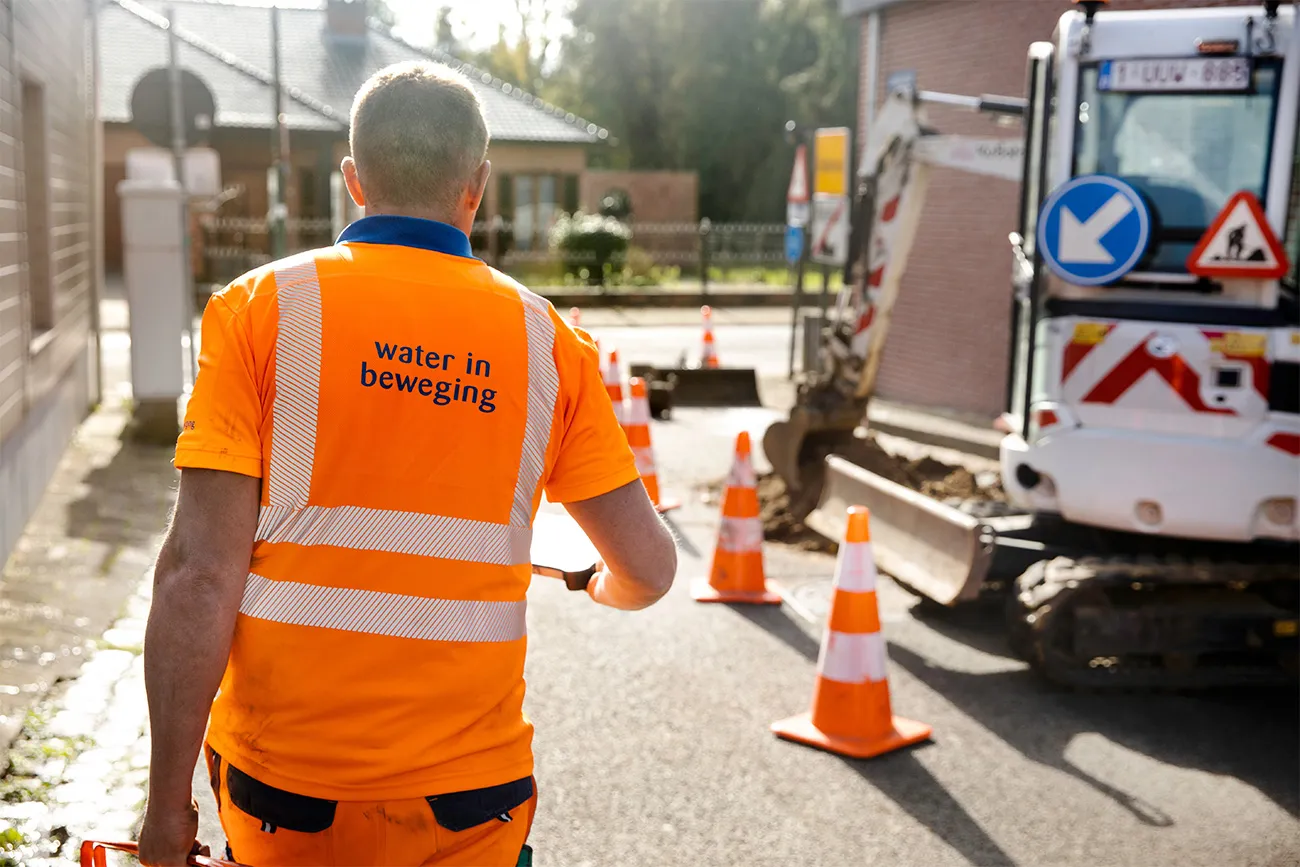
“When there is value to be gained, we are also fully committed to working in partnership. A good example is Synductis, where utility companies work together to minimise disruption for customers. The aim is for all utility works in a street to be carried out by a single contractor, responsible for installing water, gas, electricity and telecoms cables and pipes, and for connecting customers to the new networks,” concludes Alain T’Syen.
Question about this story? Ask your question
Keep following this
Get an email when a new story is published. No account needed.
- SubjectYearbook