“Our ingenuity is recognised internationally”
Text Niels Rouvrois Beeld DMOW
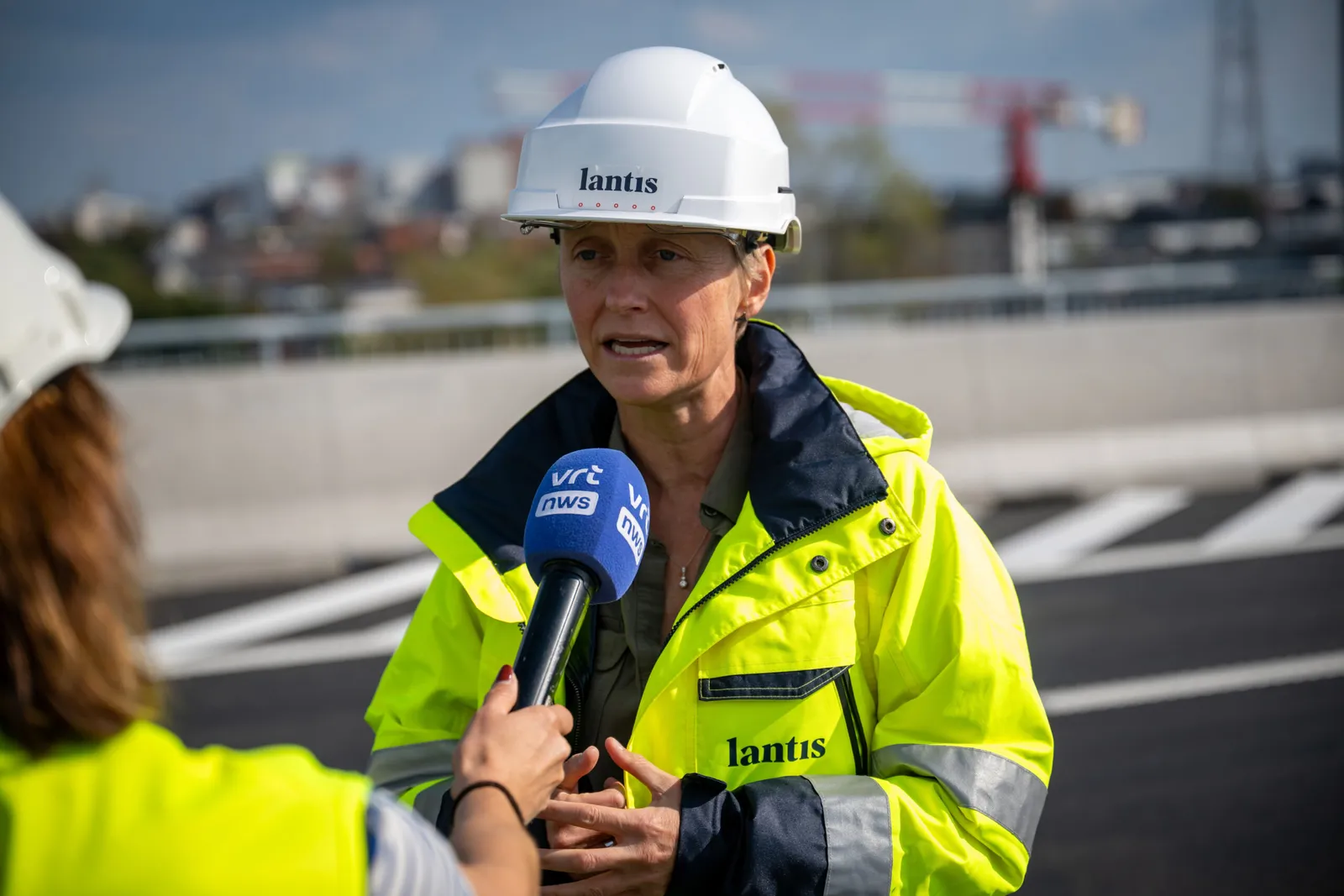
On 30 September 2024, Annick De Ridder was sworn in as Flemish Minister for Mobility, Public Works, Ports and Sport. Just over a year later, the ever-combative minister looks back in our Yearbook and, above all, ahead to the challenges facing the sector. One thing is clear: there is a willingness to invest. “Mobility and Public Works are the investment department of this term of office, with an additional 1.8 billion euros in funding,” she says confidently.
How have you found your first year as Minister for Mobility and Public Works?
“I am not only Minister for Mobility and Public Works, but also for Ports and Sport. I even deliberately had ‘Ports’ included in my official title to emphasise how essential they are to our prosperity. They are economic engines. The past year has been particularly intense and challenging: setting up my cabinet, preparing a difficult budget, drawing up our integrated investment programme, while also trying to spend as much time as possible out in the field.”
Have you already made the progress you had in mind in that first year?
“We have already set a lot in motion. This summer, we finalised the investment budgets for 2025, 2026 and 2027, with a focus on our major infrastructure projects and the essential catch-up programme for maintenance. This will bring roads, bridges and tunnels back into top condition. We are also maintaining the high level of investment in cycling infrastructure, at an average of 300 million euros a year. We have allocated 400 million euros to De Lijn to purchase new electric buses and trams. We have also taken the first steps towards a thorough reform of vehicle inspections.”
Providing an appropriate response to all the economic, social, digital, technical and climate challenges is an important and difficult question for many sectors today. What role can mobility and public works play?
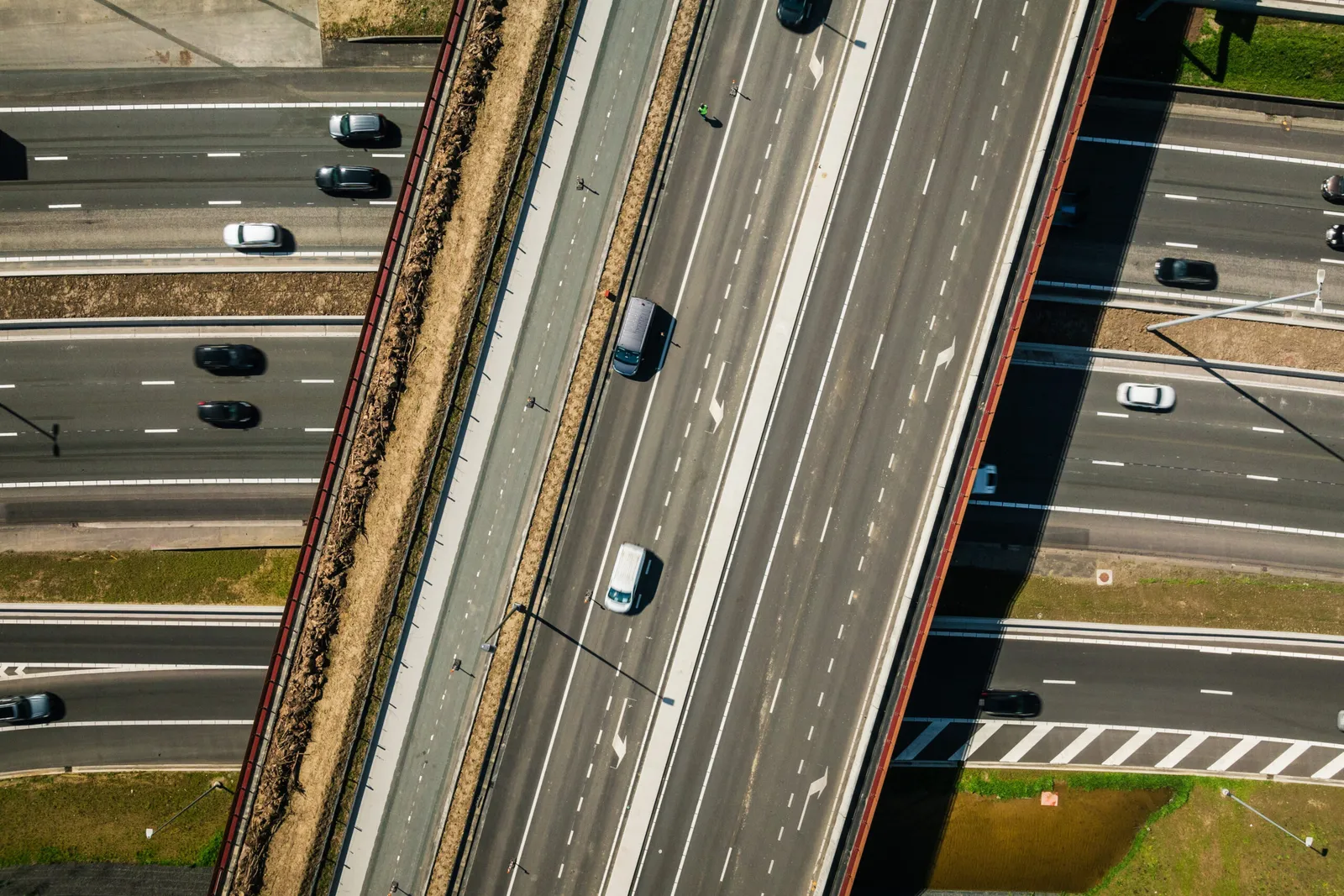
“Mobility and infrastructure are the backbone of our society and economy. Without robust infrastructure, everything grinds to a halt: no smooth flow of goods, no reliable commuting, no strong logistics chains. So much depends on a well-maintained, future-ready network of roads, waterways, railways and ports. At the same time, these are also areas where we can tackle societal challenges. Through smart investment, we not only strengthen our economy, but also make progress on sustainability, road safety and digitalisation.”
Bridge and tunnel asset management, our waterway infrastructure, the importance of safety, environmental considerations, cycling infrastructure … these are all issues and challenges on the table. What will be the main priorities in the coming years?
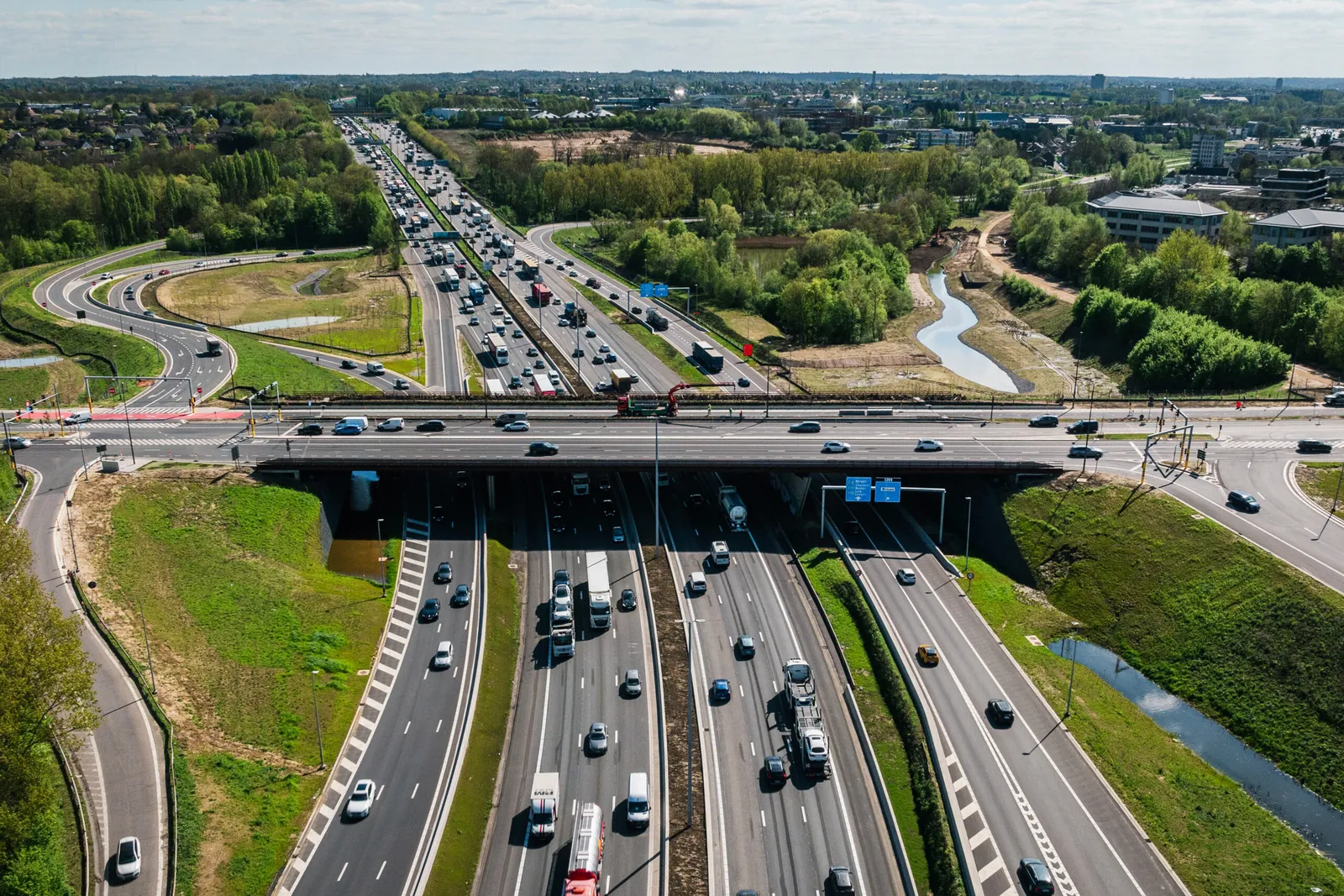
“In mid-July, we completed an important exercise: the integrated investment plan. We reviewed every project and selected those with the greatest economic and social leverage. We have allocated funding through to 2027 and identified several clear priorities. The Integrated Investment Plan looks 10 to 15 years ahead for major infrastructure projects, but these are primarily the main routes and urban ring roads. Think of Oosterweel, R0 Brussels, E19 Mechelen-Noord, ECA, the Limburg North-South connection …”
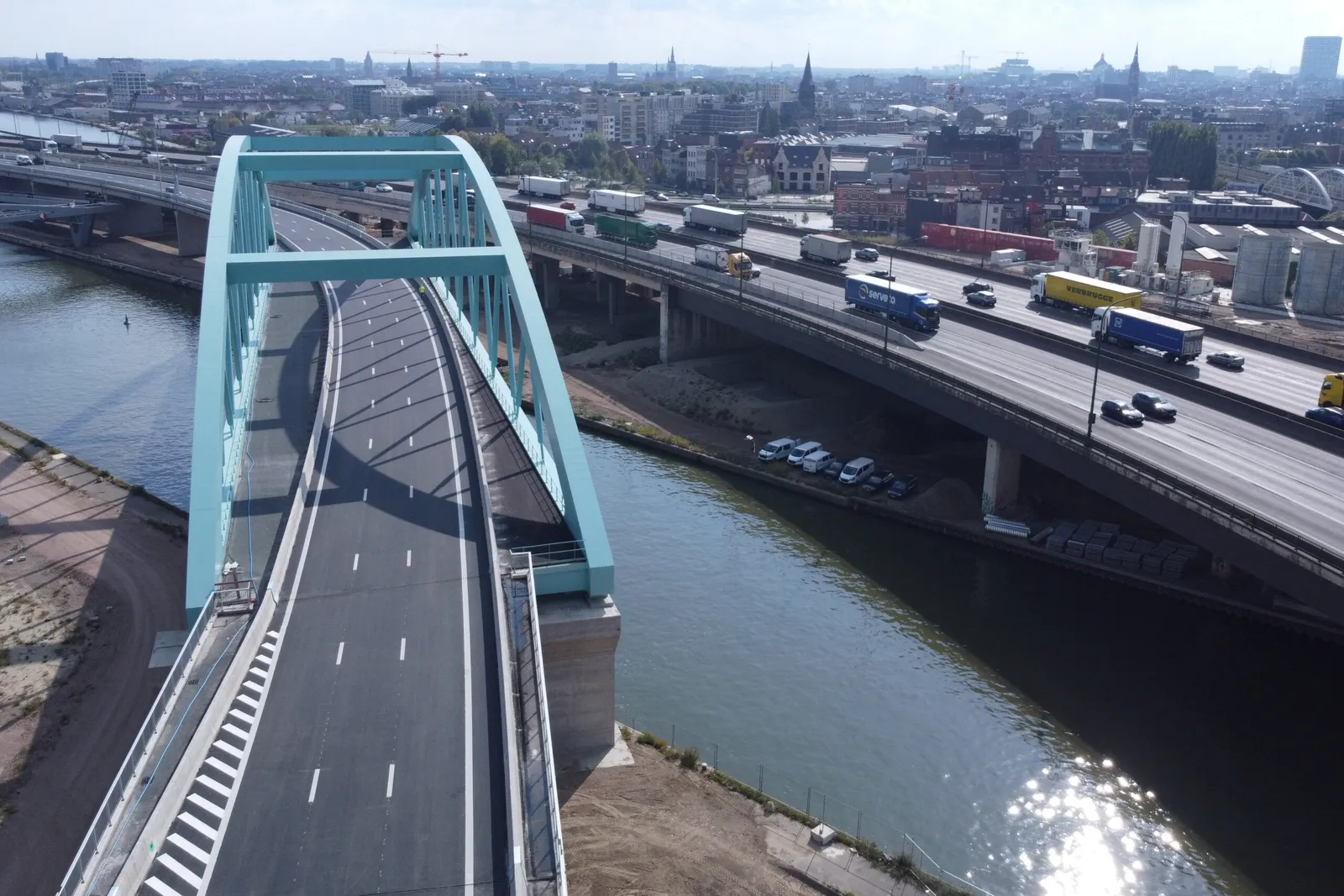
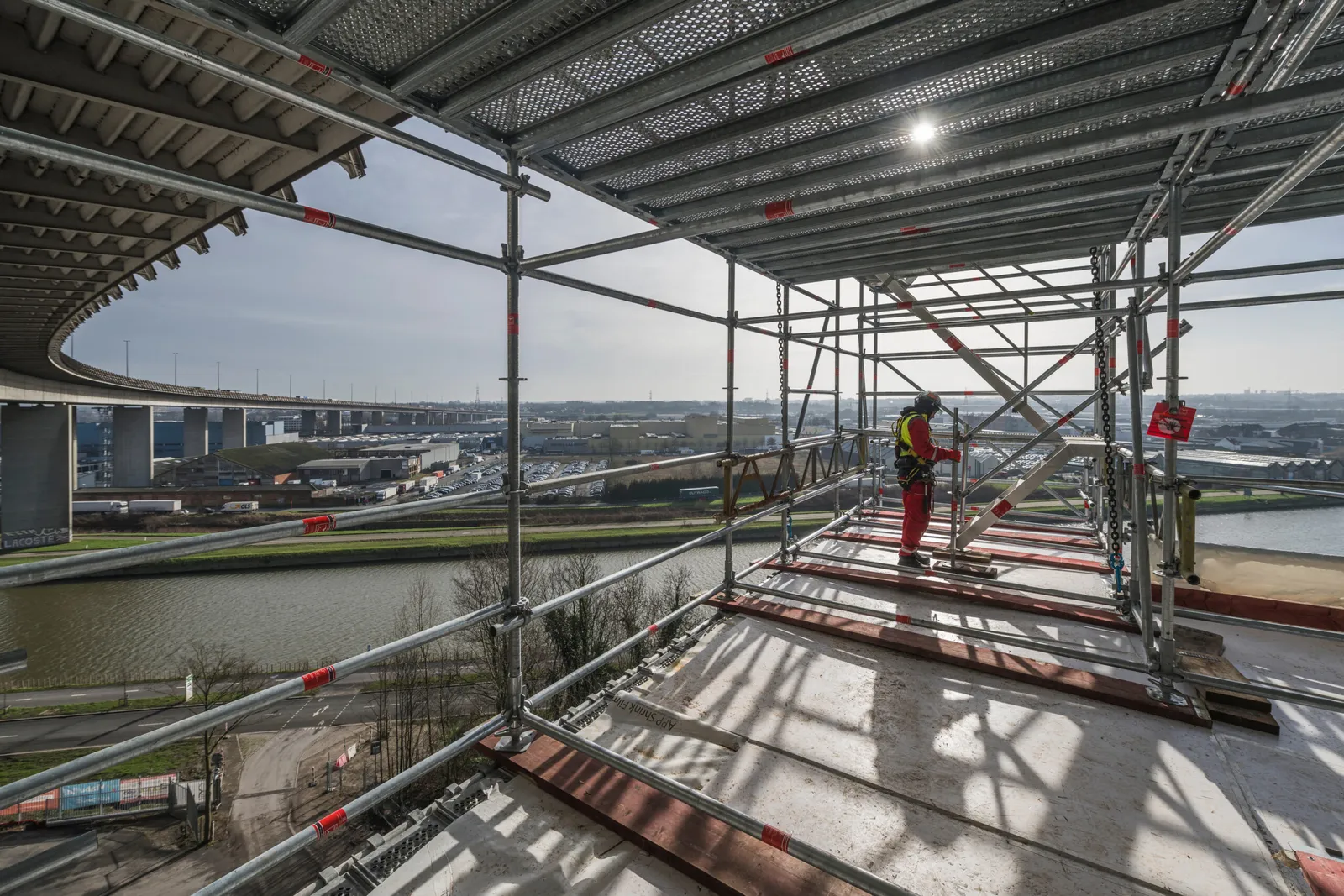
“Second: maintenance. In recent years, too little attention has been paid to maintenance. We have set out a growth path for the coming years, both for structural and routine maintenance. The annual budget for structural maintenance will rise from 924 million euros to 1.4 billion euros by the end of this term of office. We are also providing extra funding for day-to-day routine maintenance, such as cleaning, painting, minor concrete and asphalt repairs, drainage maintenance, green-space maintenance and electromechanical maintenance … We have also drawn up three master plans for the next ten years. The Master Plan for Structures aims to bring all bridges and culverts on the primary road network into good condition. The Flanders Tunnel Plan provides 950 million euros for renovation through PPP. And the Motorway Master Plan aims to upgrade 1,400 kilometres of A-roads over five years.”
“Road safety also remains a priority. We naturally take road safety into account in all projects, but we also invest in it directly. Over the course of this term of office, we are investing a total of 275 million euros directly in road safety. We are also in the final stages of updating the road safety plan for 2026 to 2030, and are working with local authorities to roll out the road safety pact. Public transport is also high on the list of priorities, including the 400 million euros we have already allocated to greening our vehicle fleet. This is a significant and unprecedented injection of funding, and we are already placing orders.”
“Cycling infrastructure is another focus. Our investment in cycling infrastructure is at a record high, and we are maintaining the investment level of an average of 300 million euros a year. Many projects also contribute to cycling infrastructure: when regional roads are rebuilt or undergo structural maintenance, dangerous cycle paths are addressed at the same time. We are also increasing the provincial cycling fund from 15 to 25 million euros a year. Finally, we are working on a Cycling Infrastructure Master Plan.”
“We are also focusing on our ports and waterways. Our ports are the economic engines of Flanders and the wider region. If we want those engines to keep running, we need to ensure our logistics chain remains efficient. That is why Flanders continues to strengthen infrastructure in and around the ports, from nautical access to digital innovation, and from rail connections to additional capacity. We also continue to invest in our major and smaller waterways to further strengthen regional freight flows. We are planning more dredging, with an extra 45 million euros for maintenance dredging, to ensure accessibility, as well as structural maintenance of locks.”
What role does digitalisation play in mobility? How can technology improve our mobility?
“Digitalisation and technology play a key role and will profoundly change our mobility system. Today, we are only seeing the tip of the iceberg. Technology is evolving at breakneck speed, with autonomous navigation and even autonomous driving. My role is to enable the rollout of such innovations and remove regulatory barriers as quickly as possible.”
Digitalisation and technology cost money, and funding is limited. Is it difficult to strike a balance between investment in innovation and digitalisation on the one hand, and (highly) urgent projects on the other?
“It is indeed a constant balancing act. Even so, this Flemish Government has clearly chosen strategic investments that strengthen our prosperity over the long term: innovation, industry, infrastructure and ports. Mobility and Public Works are even the investment department of this term of office, with an additional 1.8 billion euros in funding. Flanders is a leader in innovation, and we are ensuring that businesses and research institutions can continue to pioneer. At the same time, we avoid overregulation or ‘gold-plating’: we invest in a targeted and efficient way.”
Looking ahead to the near future, are you optimistic and confident about mobility in Belgium, or are there currently a lot of alarm bells ringing?
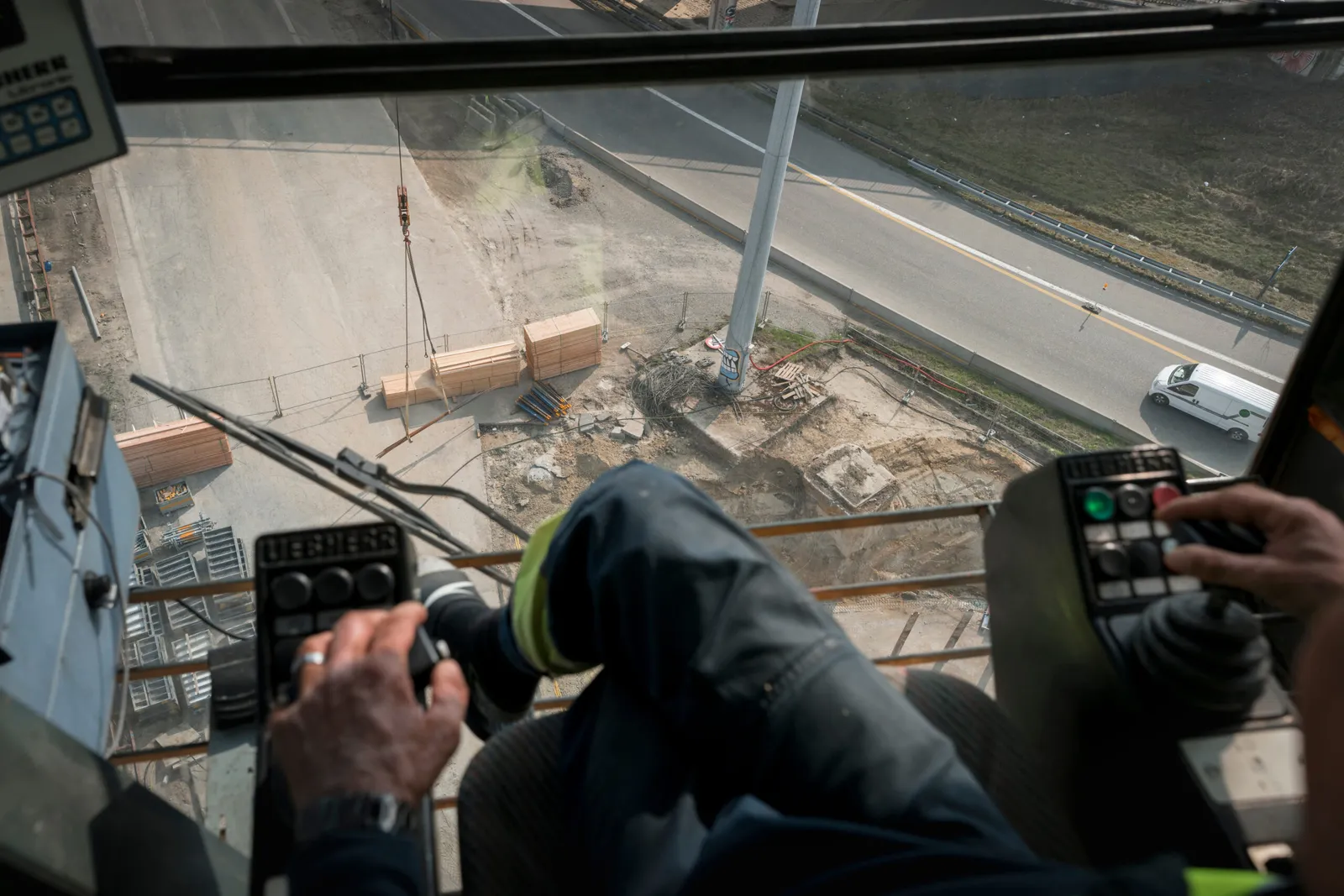
“I look to the future with confidence, especially thanks to the extra funding we can invest. But as I often say, cooking costs money, and it also makes a mess of the kitchen. The maintenance catch-up programme is unfortunately necessary now, although we are doing everything we can to minimise disruption. It is a bitter pill we all have to swallow for a while, but things will improve in the future.”
Do you have an end-of-year message of encouragement for the sector?
“I always end my speeches with two messages. First: I am above all a civil servant, and together with my administration and cabinet I try to serve the people of Flanders. I am always pleased when businesses want to invest in Flanders. It is my job to make that possible and remove barriers. Any tips on how to do that are welcome, by the way (laughs). Second: we should be a little prouder of ourselves. Our businesses demonstrate innovation and sustainability, and our ingenuity is recognised internationally. It is time for a little more Dutch swagger.”
Question about this story? Ask your question
Keep following this
Get an email when a new story is published. No account needed.
- SubjectYearbook