GTA Group (Lu): Sustainable noise barriers and fire protection
In its short history, Luxembourg-based GTA Group has already built a strong reputation for noise barriers and fire protection on major infrastructure projects. Its unique position is defined not only by the quality of its work, but also by the fact that it uses only materials produced with low emissions. In this way, it also meets an environmental need.
In July this year, GTA installed a noise barrier alongside the A10 motorway, which links Paris and Bordeaux. Where the A10 crosses the territory of Saint-Épain, about 40 kilometres south of Tours, a noise barrier was installed on the Courtineau viaduct, but this was no ordinary barrier. The side facing the motorway is clad with ultra-low-carbon concrete, made from a mixture of wood chips and cement. The panels are 3 metres high and have excellent noise-reduction properties. Above all, their production results in 60% lower carbon emissions than comparable panels.
Ultra-low emissions
Ultra-low emissions are a constant feature of GTA Group’s projects. Julien Duckers, communications manager at GTA Group, puts it this way: “You can supply high-quality products without giving any further thought to your environmental footprint, or you can go a step further and ensure your products are also manufactured in an environmentally responsible way. That is how you really add value.”
A young group
GTA Group has been in existence for just 10 years and has offices in Romania, France and Luxembourg. It delivers turnkey projects, handling both the design and the implementation. These projects cover not only noise barriers but also, among other things, surface treatment. Its own workshops are equipped to carry out a wide range of protective steel treatments, including sandblasting, glass bead blasting, intumescent coatings for fire protection, anti-corrosion coatings and metallisation. The company also carries out these treatments on site, often on public structures. A recent project was Brasserie 58 on the first floor of the Eiffel Tower, where GTA carried out a complete anti-corrosion treatment.
Fire protection
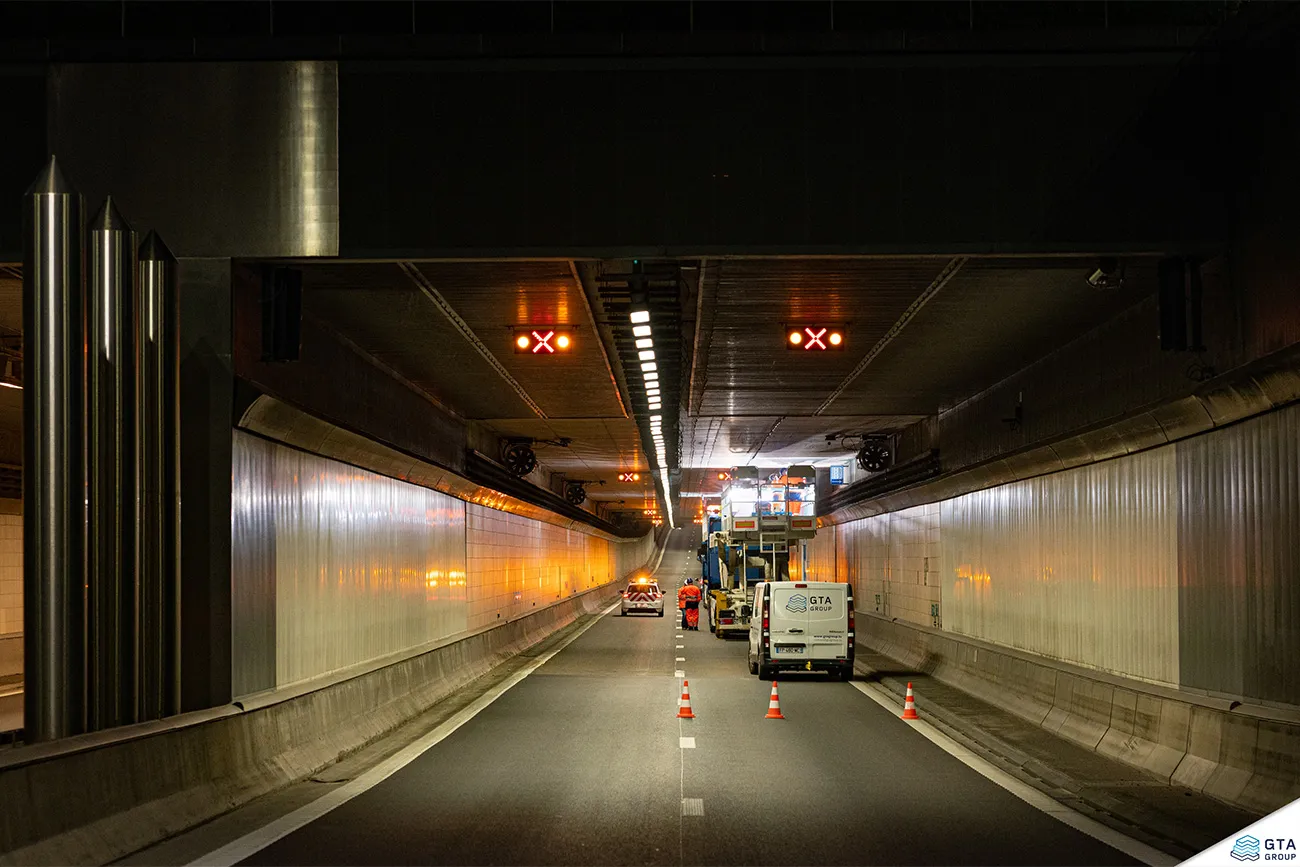
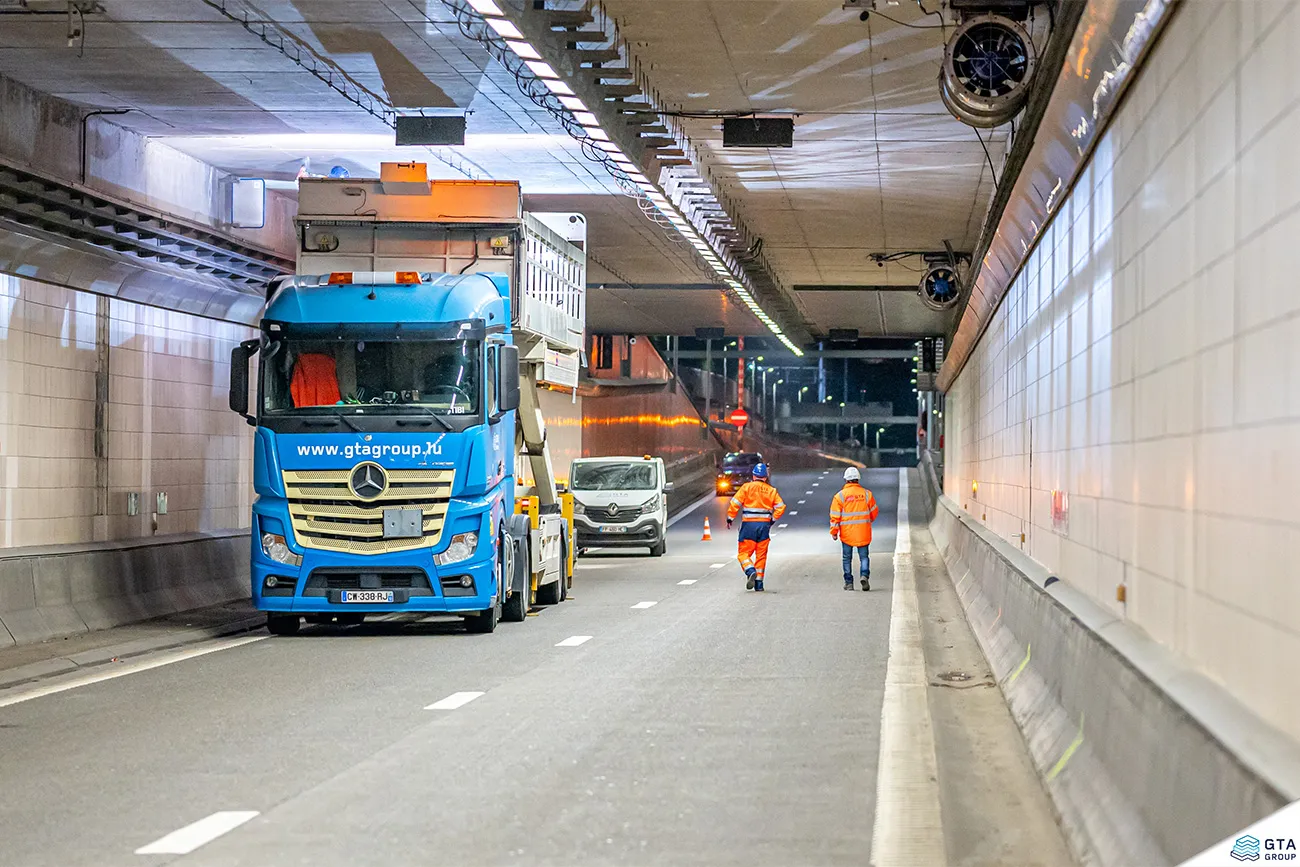
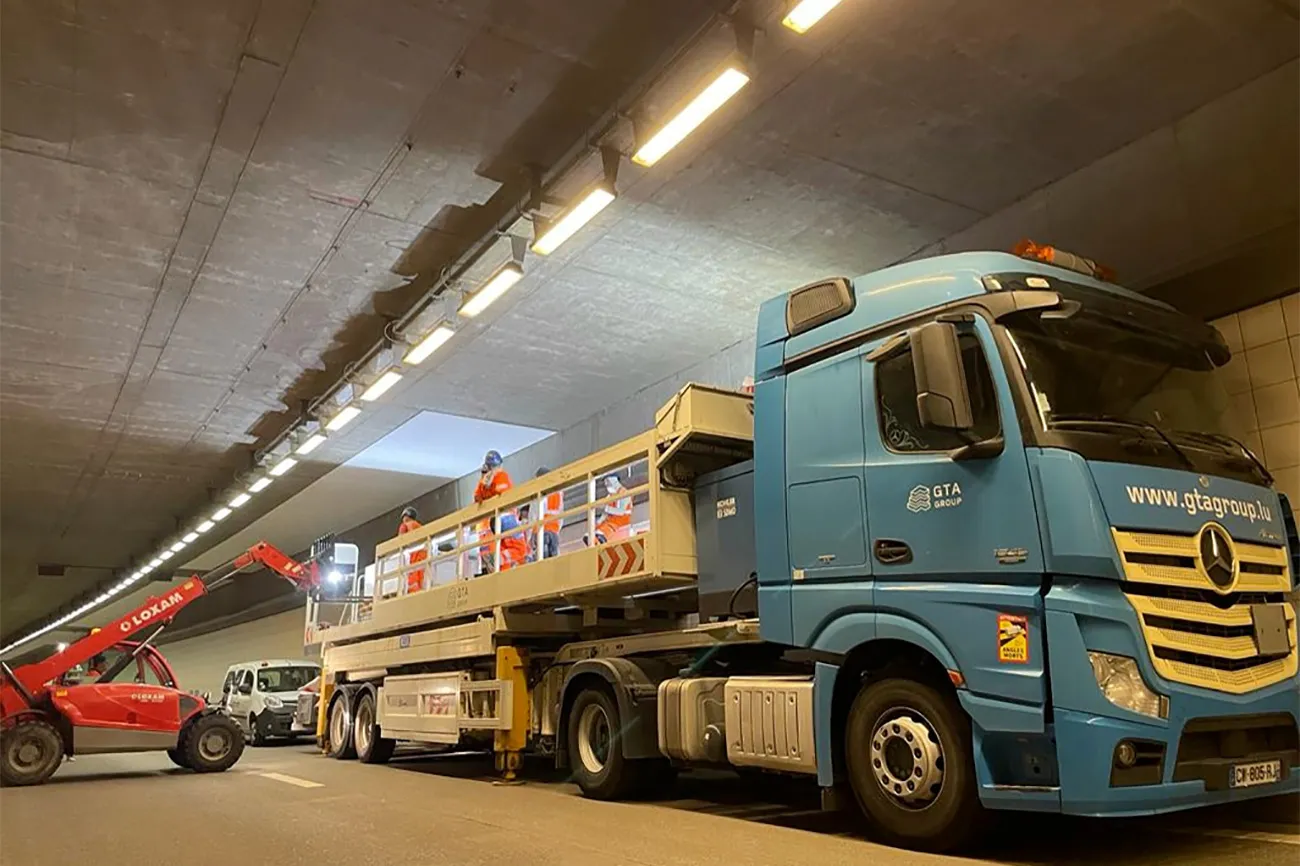
GTA has also built up extensive experience in fire protection for major infrastructure projects. In 2019, for example, it helped renovate the 35-year-old Hallepoort tunnel in Brussels. GTA was responsible for making the tunnel fire-safe. It installed fire-resistant RF panels, applied a fire-retardant coating to steel components and provided thermal protection for the cabling, among other works. The requirements are exacting: tunnels must meet the strictest fire-safety standards, and the materials used must withstand the extreme heat that could be released in the event of a tunnel fire. GTA delivered the project from start to finish, carrying out all the necessary studies, contributing its expertise and undertaking the works.
The Future is Bright
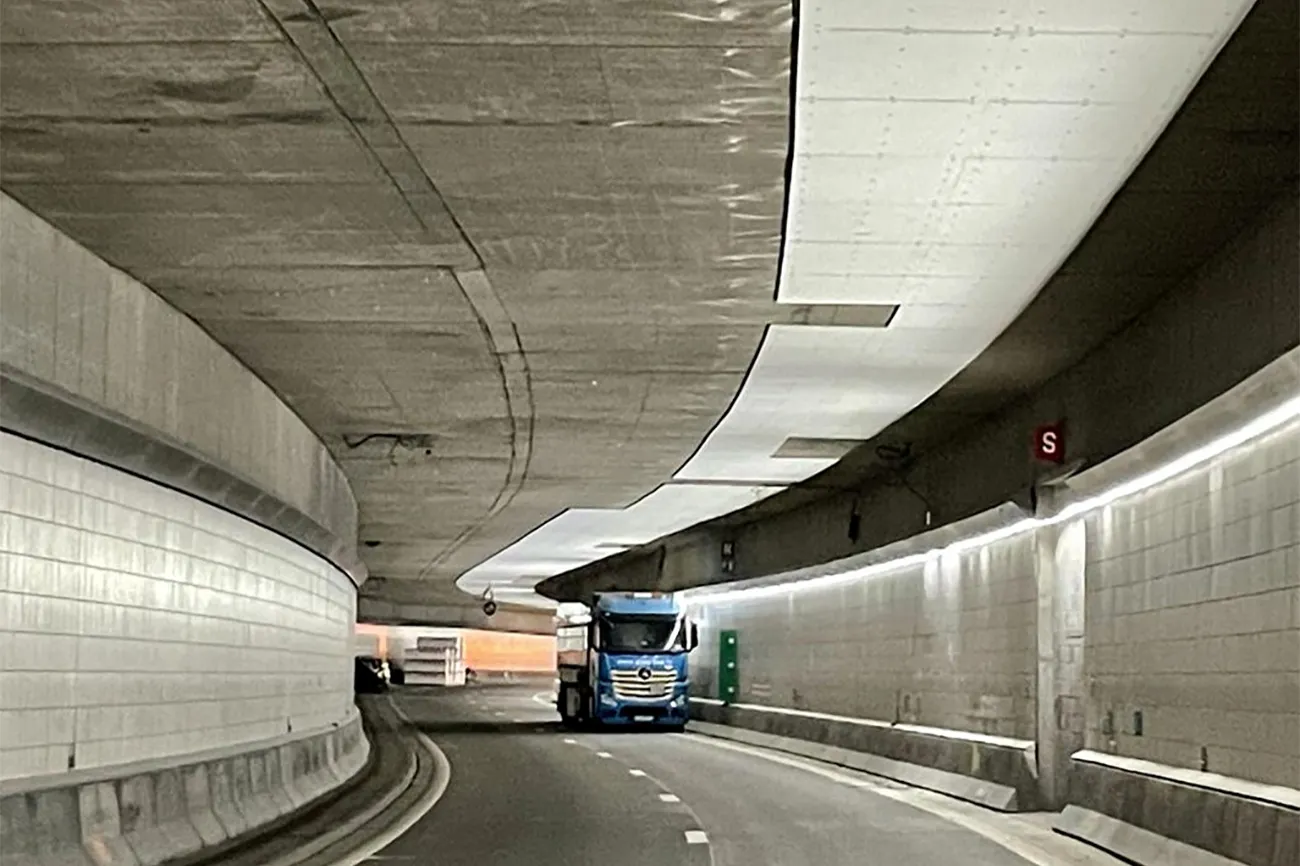
Tunnel works of this kind are an important part of GTA’s activities. The company has worked not only on the Hallepoort tunnel, but also on tunnels in Mulhouse, Lyon, Rouen, Besançon and, of course, Paris, as listed in its references.
And there is more to come. GTA has won the prestigious contract to provide fire protection for the Fehmarnbelt tunnel, which is soon to be built. The project, with a budget of around €7.4 billion, includes an 18 km tunnel between Puttgarden in Germany, on the island of Fehmarn, and the Danish port of Rødby on the island of Lolland. The tunnel, with separate sections for road and rail traffic, will significantly shorten the journey between Copenhagen and Hamburg.
The tunnel will be built using prefabricated concrete elements lowered into a trench dug in the seabed. Each element is 217 metres long, 42 m wide and 9 m high, and, as this is a tunnel, the fire-safety requirements are extremely stringent. GTA will apply fire protection to the concrete elements before they are lowered into the sea. Julien Feller, CEO of GTA Group, estimates that the project will run for around three to five years. “This is what we do. Projects like this don’t put us off, they help us further establish our name in this very specialised sector. The future looks bright!”
Question about this story? Ask your question
Keep following this
Get an email when a new story is published. No account needed.
- SubjectYearbook