









Walloon soil movement scheme set to come into force
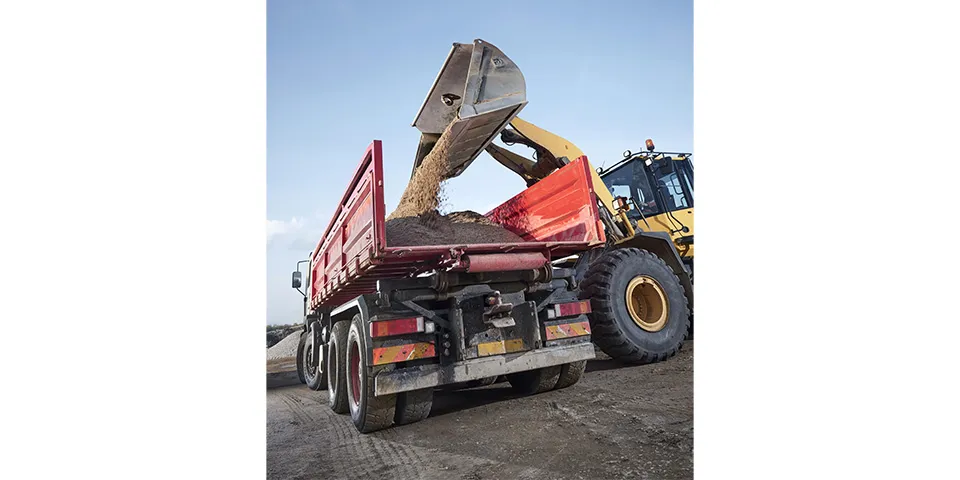
The wait is almost over. From 1 November, the Walloon Region will have its own soil movement scheme. The aim is to make full traceability of soil materials possible there too, with a view to their recovery and recycling. This article seeks to guide you through the main points of the regulations.
Flanders has had detailed legislation governing the use of soil materials for some time. Wallonia had the decree of 14 June 2001 on the recovery of certain waste materials, but it did little to ensure traceability. The new soil movement scheme is set to change that. Different requirements apply depending on the volume, quality and destination of the excavated soil. If the site of origin is not suspected of contamination, the soil can be reused on the same site without quality testing. It can also be used on another site if the destination has more or less the same sensitivity, or is less sensitive. Quality testing and traceability are also not required if the volume destined for another site is less than 10 m³. This exemption also applies to soil from crop production, such as soil left over from sugar beet and potato crops.
Traceability for soil volumes of up to 400 m³
A further distinction is made at the 400 m³ threshold. Below this volume, quality testing is not required, but traceability is mandatory, provided the soil is not suspected of contamination. This means soil for which no further information is available in the ‘Banque de Données de l’Etat des Sols’ (categories 1, 2 and 3), and which is therefore not suspected of contamination. Soil from roadworks that is destined for roadworks also falls into this category, regardless of volume. To ensure traceability, the transport of excavated soil must be notified to the management body Walterre. It will check that the notification is in order and that the material is compatible with its intended reuse. Approval for transport will then be issued within 24 hours. The recipient must subsequently confirm that the soil has arrived. The body will then notify the Département des Sols et des Déchets of all the information required for entry in the Banque de Données de l’Etat des Sols.
Quality testing for volumes over 400 m³ and suspected soil
Suspected soil and volumes exceeding 400 m³ are also subject to quality testing. The Rapport de Qualité must be drawn up by an expert, under the responsibility of the works contractor, before the excavated soil is moved. Authorised centres can also carry out testing and soil treatment. Quality testing must comply with the Guide de Référence pour la Gestion des Terres and be carried out in accordance with the Compendium Wallon des Méthodes d’Echantillonnage et d’Analyse. The report must then be submitted to the management body, which will issue a Certificat de Contrôle de Qualité. Following pre-notification, a transport document will be made available and must accompany the soil to its destination.
Concern in Flanders
The introduction of the regulations is causing some concern among soil processors in Flanders. In Flanders, the standards for soil use depend on the type of use: unrestricted use or use in construction. Wallonia, by contrast, focuses more on the use of the destination site. Is it a nature area, agricultural area, residential area, recreational area or industrial area? The standards for use in industrial zones are the least stringent. As a result, some soil that would require cleaning in Flanders could be used on industrial sites in Wallonia without being cleaned. OVAM has been informed of this potential discrepancy and is investigating whether charges could apply in such cases, as they currently do for the beneficial use of soil moved across the national border.
Question about this story? Ask your question
Companies in this story

Keep following this
Get an email when a new story is published. No account needed.
- SubjectGeneral
- CompanyOVAM







