









Three quarters of mobility recovery funding will make our transport more sustainable
Construction is helping to green mobility at speed.
The Flemish Government recently clarified how it will allocate mobility recovery funding over the next two years. The figures show that it will invest three quarters of the additional funding in making our transport more sustainable. The Flemish Confederation of Construction (VCB) stresses that the construction sector is more committed than ever to driving this shift towards greener, more sustainable mobility.
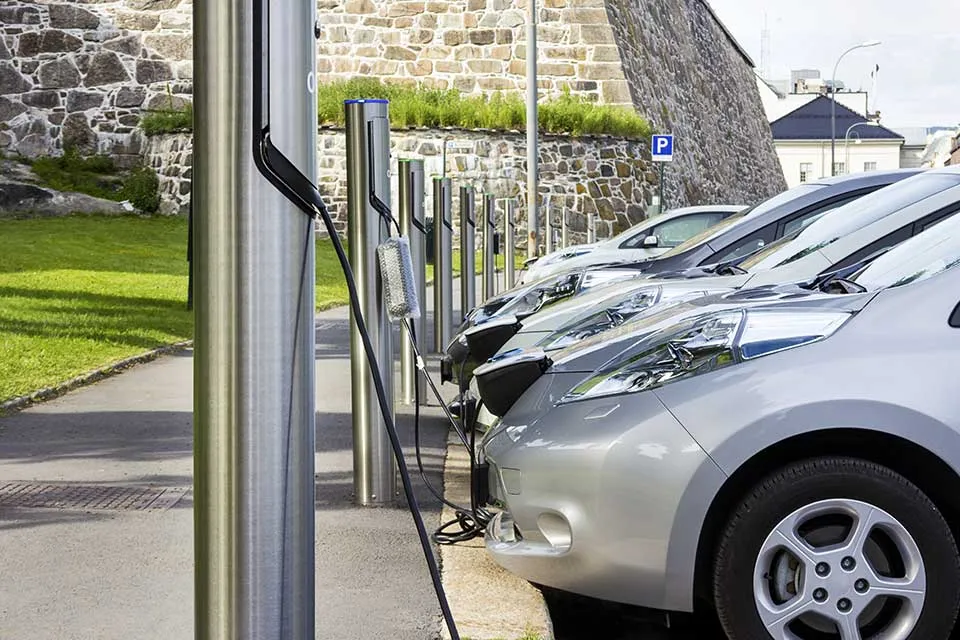
The main priorities are more and better cycling infrastructure, a further shift towards freight transport by water, a network of charging points, and the remediation of land affected by mobility works … These additional funds will also give a boost to the rollout of local transport regions.
Recovery funding
The Flemish Government has earmarked a total of €885 million in mobility recovery funding for 2021 and 2022. Of this, €646 million will be deployed in 2021. A quarter is allocated to making roads safer. Three quarters of the funding will go towards making mobility more sustainable: €250 million for cycling infrastructure; €164 million to further shift freight transport to waterways, including by raising the bridges over the Albert Canal sooner; €35 million to install pumps on our waterways to avoid unnecessary water consumption; €120 million to green road infrastructure with LED lighting and charging infrastructure; €23 million to remediate contaminated land as part of the Oosterweel works; and, finally, €93 million to green public transport (De Lijn).
Local transport regions
Many of these investments will support the rollout of local transport regions. Examples include expanding the cycling network and charging infrastructure. The transport regions focus on combined journeys using different modes of transport, with good interchange options being particularly important as a viable alternative to the car. Commuters will be able to switch easily between, for example, electric shared transport, such as the increasingly popular speed pedelec and electric cars, and public transport, including trains, trams, buses and the metro.
Municipalities are crucial to the recovery
A recent survey by Radio 2 and UGent found that the coronavirus crisis is costing municipalities a great deal and that 1 in 4 municipalities are consequently postponing planned investments. This will also affect mobility recovery funding. For example, the Flemish Government is relying on municipalities to contribute €300 million to its overall cycling paths plan. Municipalities are also expected to contribute a further €15 million towards safe school environments. Local authorities’ share of the cost of expanding charging infrastructure is also €15 million. Since the recovery policy will create thousands of additional jobs in construction and its supply chains, and the measures will significantly improve the environment, the VCB is urging local authorities not to postpone planned investments, but to play their full part in the economic recovery.
Question about this story? Ask your question
Keep following this
Get an email when a new story is published. No account needed.
- SubjectGeneral







