









The roll-out of public charge points: how Flanders is approaching it
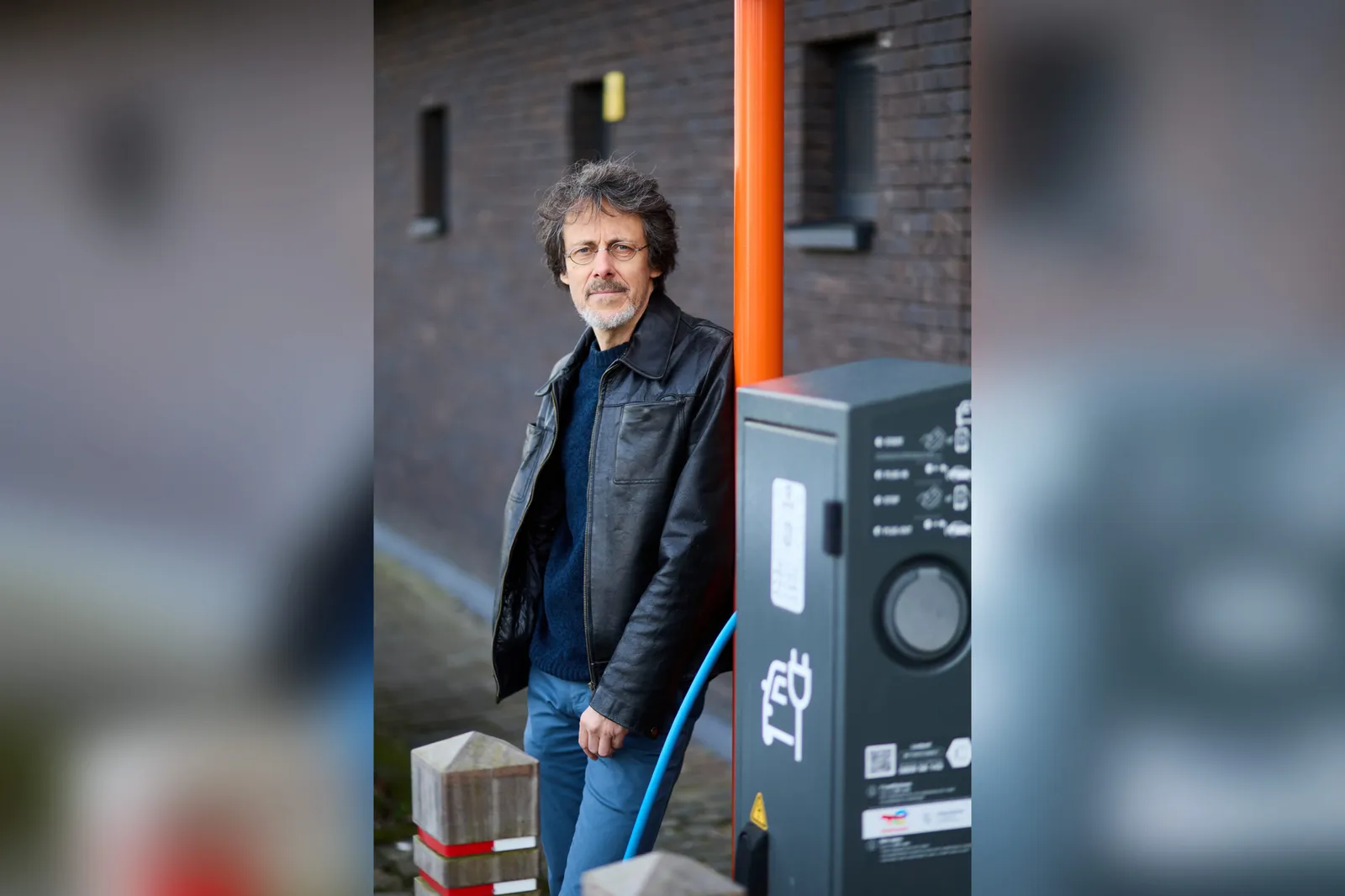
Flanders’ public charging network has grown rapidly in recent years, and that growth is set to continue. At European level, Flanders is among the frontrunners. This is no luxury, as the proportion of electric vehicles in Flanders is significantly higher than in other EU countries. Under the new Flemish policy, municipalities have more options for taking a strategic approach to the roll-out. This benefits everyone involved, as it shortens installation lead times and improves the design of public spaces. Jeroen Cockx, Clean Power for Transport coordinator at the Department of Mobility and Public Works, shares his views.
Strategic charging plan gives municipalities more control
The biggest change is the introduction of the strategic charging plan. Flanders is encouraging cities and municipalities to draw up such a plan, identifying for themselves the best locations for charge points. They take account of future charging needs and the local context. The Flemish government also provides cities and municipalities with data and forecasting tools to objectively map their charging needs for 2028 and 2030. This enables local authorities to make a much stronger case for their strategic choices. Once the plan has been approved, the Charge Point Follows the Car principle can also be discontinued in that municipality.
The approved plan forms the basis for the roll-out in the years ahead. This is coordinated with the charge point operator appointed to carry out the installations and the network operator responsible for connecting them to the electricity grid. By grouping charge points at selected locations in so-called ‘charging hubs’, or bundling installation works within a municipality, the roll-out can be organised more quickly and efficiently, with less disruption locally.
250 metres as a ‘reasonable distance’
To be clear, the Charge Point Follows the Car principle is not being abolished and remains a suitable way to add charge points in response to specific needs. The principle will remain in place in municipalities without a strategic charging plan. Municipalities with an approved charging plan can also choose to retain it, although it will then be incorporated into the strategic plan.
When you request a charge point, an operator can now install it within a ‘reasonable distance’ of your home, with 250 metres remaining the guideline. This limited relaxation gives municipalities scope to group charging points more logically in line with local parking and mobility policies, for example in charging hubs, neighbourhood squares or at strategic junctions.
Smart growth
With this approach, we are taking a step towards a public charging network that grows both quickly and intelligently. Municipalities have the freedom to choose locations for their charge points, while electric car owners can still count on having enough charging options. The result is an efficient network that evolves with tomorrow’s needs and takes account of Flanders’ spatial context.
Jeroen Cockx
Clean Power for Transport coordinator at the Department of Mobility and Public Works
Question about this story? Ask your question
Keep following this
Get an email when a new story is published. No account needed.
- SubjectGeneral







