









The right conditions and substrates for high-performing green spaces and efficient water management
Text Niels Rouvrois Beeld Acterra
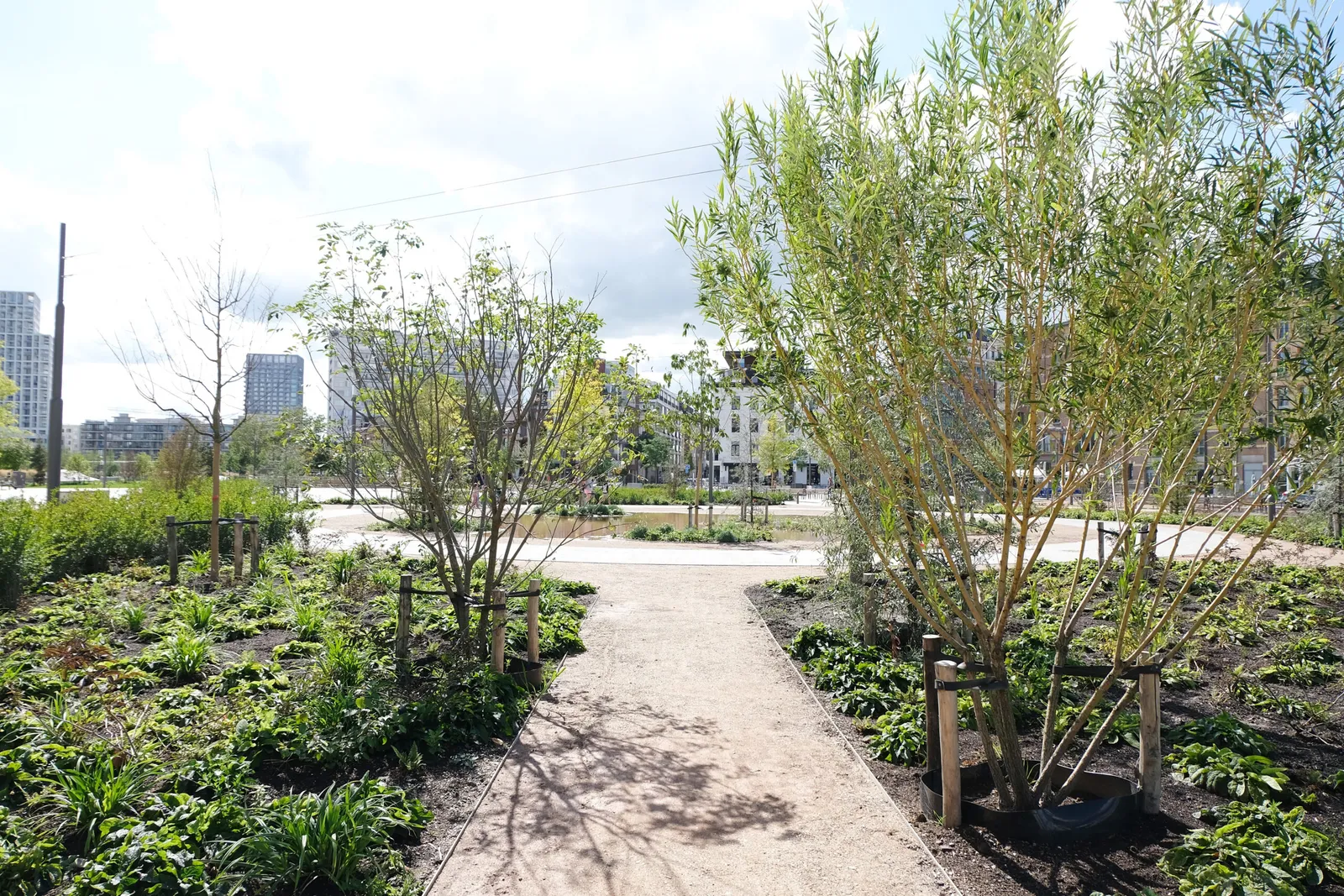
Climate change and increasing urbanisation inevitably bring new challenges in water management and the integration of green space in public areas. According to Bart Geerts, managing director of ‘soil innovator’ Acterra, an important solution lies in smartly combining rainwater management and planting, for example through roof gardens or other green infrastructure.
Rainwater management is becoming increasingly important, especially in urban areas where impermeable surfaces prevent water from infiltrating sufficiently. Integrating green space into projects, both urban and infrastructure projects, is now more the rule than the exception. Acterra has been producing high-quality planting substrates for more than 20 years for garden landscaping, public spaces and infrastructure works. Bart Geerts stresses the importance of water retention in the design process. Water retention literally means holding water, in this context with the aim of storing water directly on the roof and using it there for planting. One example is a roof, such as at the redevelopment of the Gedempte Zuiderdokken in Antwerp, where Belgium’s largest retention roof was built.
For this project, Acterra supplied TerraViva® Bomenzand 450, various planting substrates and a helophyte substrate. This is a clay- and loam-rich mix, as well as a blend tailored to the project, comprising 50% carbon-rich sand mix and lava. Bart Geerts says: “Simple techniques can channel water into the substrate, creating a green environment that also provides cooling. Alongside its aesthetic and cooling effects, this approach contributes to biodiversity. Using adapted substrates made from native materials creates a better environment for plants and animals. We have also moved away from conventional (lava) substrates and now focus on mixes with ingredients available close to our production sites.”
Regional Rainwater Ordinance
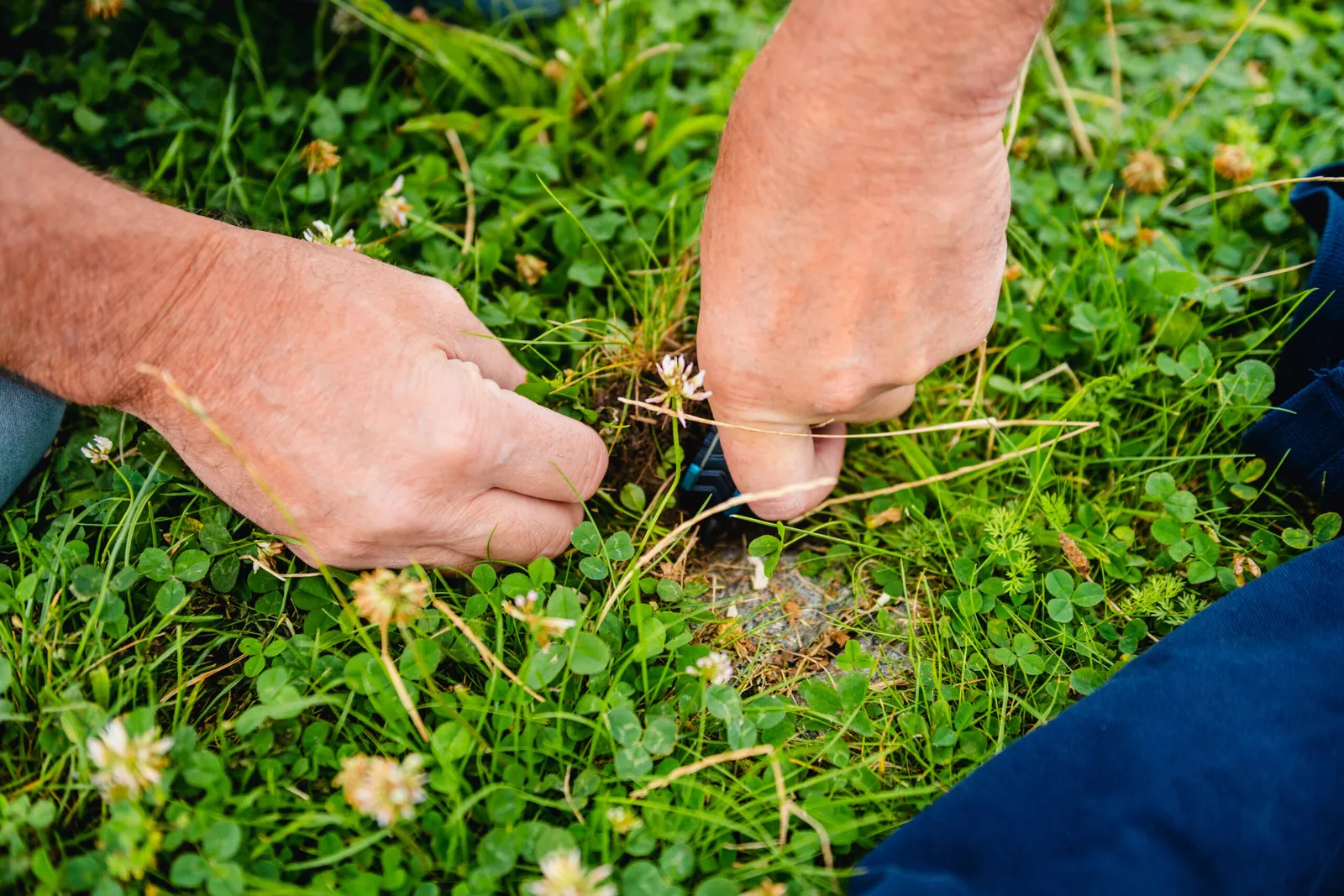
The 2023 regional rainwater ordinance states that new developments must maximise rainwater storage and infiltration. Bart Geerts believes there is still plenty of room for improvement: “It is essential to find creative ways to store and infiltrate water without causing groundwater pollution. Too often, people assume that a swale has to be a deep pit, when infiltration works better through surface-based solutions. Deep pits contribute very little to infiltration.”
Bart Geerts stresses that green space integration and water management should ideally be studied in detail during the very first phase of a project. Bart Geerts says: “From the moment a building is sited, we need to have the key information: groundwater levels, soil types, existing vegetation … For example, if there is a lot of reed growth, you know the soil is waterlogged. This is crucial information for the landscape design and the choice of substrates. Using this knowledge early in the process allows us to integrate sustainable solutions that will not need to be changed later.”
Nature takes time
One of the major challenges of integrating green space is the tension between the time nature needs to develop and the speed at which construction projects are delivered. “Nature will always reclaim what has been taken from it, but this process normally takes decades. What we are doing with substrates is essentially buying time. This needs to be approached with great care and patience. I therefore advocate giving natural development more room and taking a long-term view in construction projects. We often want a finished green space straight away, but a truly sustainable ecosystem needs time to take shape.”
Clearly, integrating green space and rainwater management into public areas offers numerous benefits, from cooling and biodiversity to water storage and infiltration. “The approach calls above all for systematic, well-considered execution, with due regard for soil conditions, the right materials and substrates, and the early involvement of experts. That is the only way to create sustainable, climate-resilient urban spaces,” concludes Bart Geerts.
Question about this story? Ask your question
Keep following this
Get an email when a new story is published. No account needed.
- ThemeSpace for water and green infrastructure
- SubjectGeneral







