









The rare bird won’t come flying in, you have to seek it out
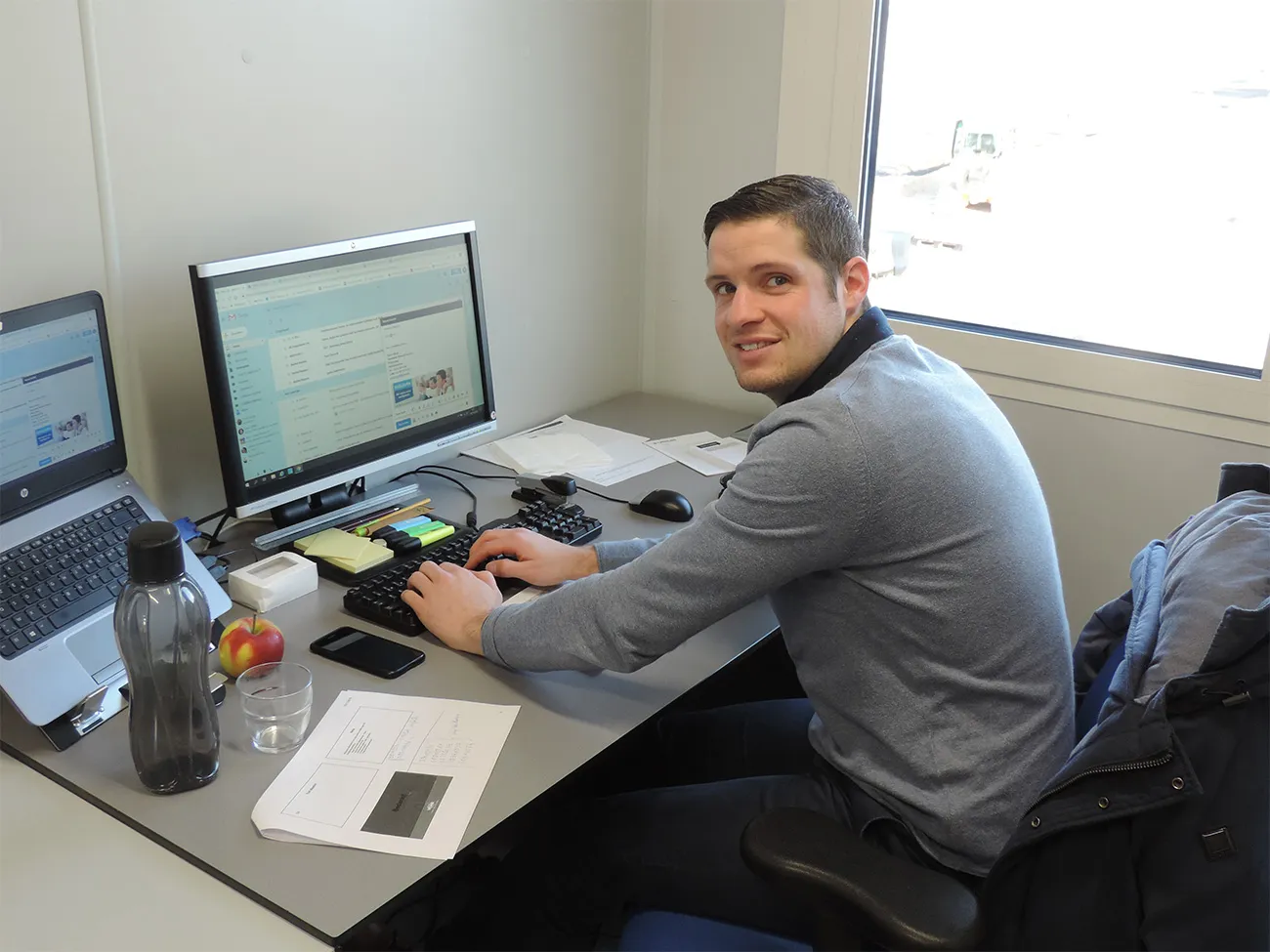
Labour shortages in the construction sector remain a major challenge today. That is why VDAB is currently running a campaign aimed at employers in Flanders under the motto ‘there’s a rare bird in everyone, you just have to learn to spot it’. The focus is on identifying, screening, coaching and supporting talent. “This can only be achieved by working with employers, educational institutions and a host of other partners,” says Glenn Tesch, team leader for construction in West Flanders at VDAB.
Labour shortages in the construction sector have been a fact of life for years. Even with a possible looming recession, vacancies for shortage occupations will become increasingly difficult to fill. VDAB is doing everything it can, with great enthusiasm and every means at its disposal, to tackle the labour shortage. Glenn Tesch: “Mediators, instructors, administrative staff … Everyone is working hard to bridge the gap between jobseekers and employers. Our mediators work with both jobseekers interested in moving into construction and employers looking for suitable staff. And, of course, there are also external partners, such as education providers, that we work with.”
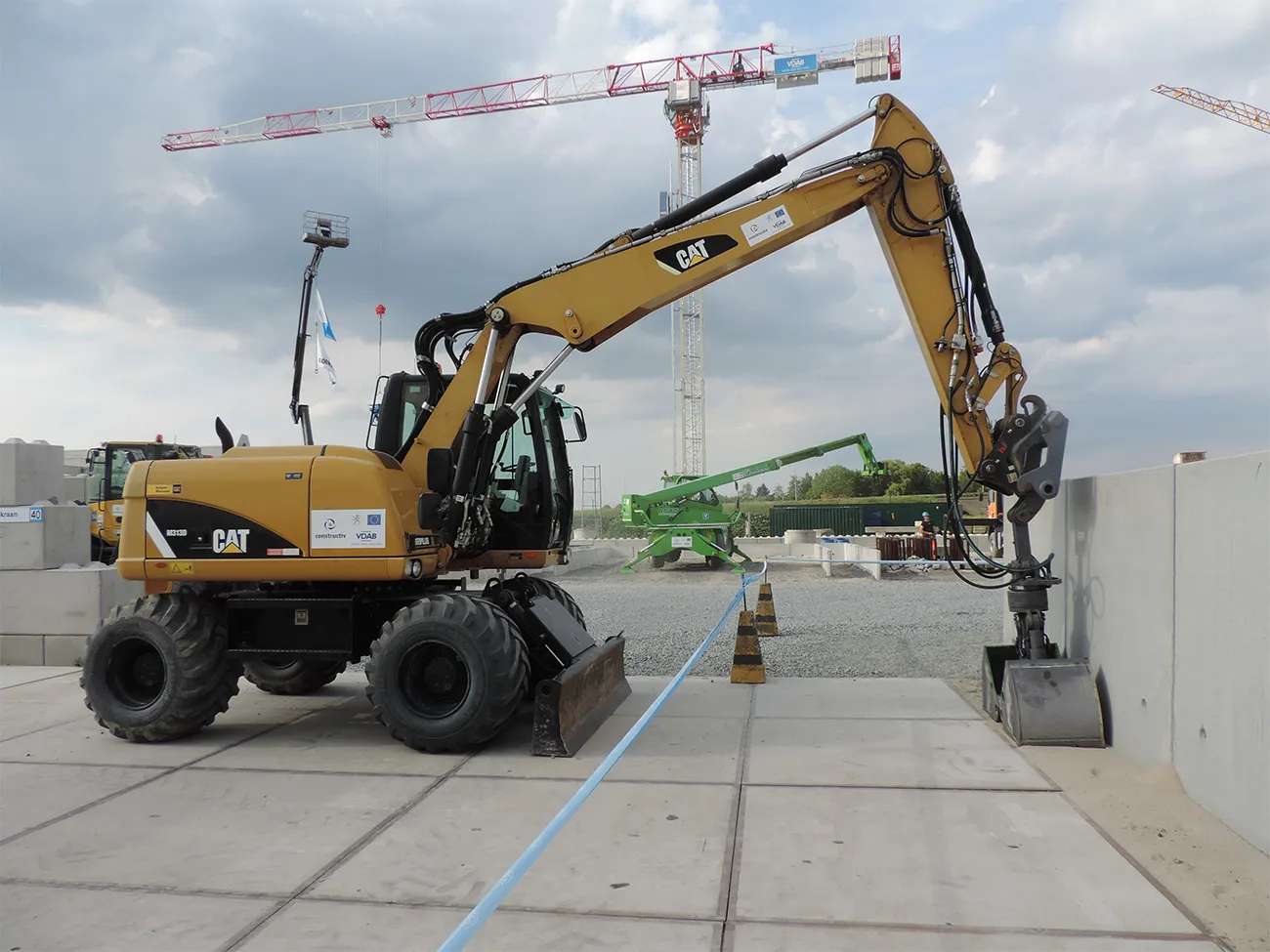
Finding a one-to-one match is becoming increasingly difficult, if not impossible. The key is to identify talent that can help people find a place in the labour market. Recruitment and training based on competencies remain important, but they are not enough. Screening, supporting and coaching people effectively to get the most out of their talents is becoming ever more important. Glenn Tesch: “And that is where VDAB is focusing its efforts. Our great strength is that we keep our finger on the pulse with both employers and jobseekers. We work with local authorities, OCMWs and various other partner organisations to reach and inform people who do not come to us. There are many people who would not initially consider a job in construction, but who actually have the right attitude or competencies.”
Partnerships are key
Training is the new recruitment: employers and VDAB, or its partners, will need to work together to identify talent and develop it into well-integrated employees. “Working together is the key to success in this process,” says Glenn Tesch. “Our mediators make a point of reaching out to employers to explain that the rare bird won’t come flying in by itself, but that you can create one by providing targeted training and initially focusing on attitude and personality rather than competencies. VDAB can use objective screening to map out the right training pathway. We have the right people in-house to assess candidates’ profiles.”
Flexibility
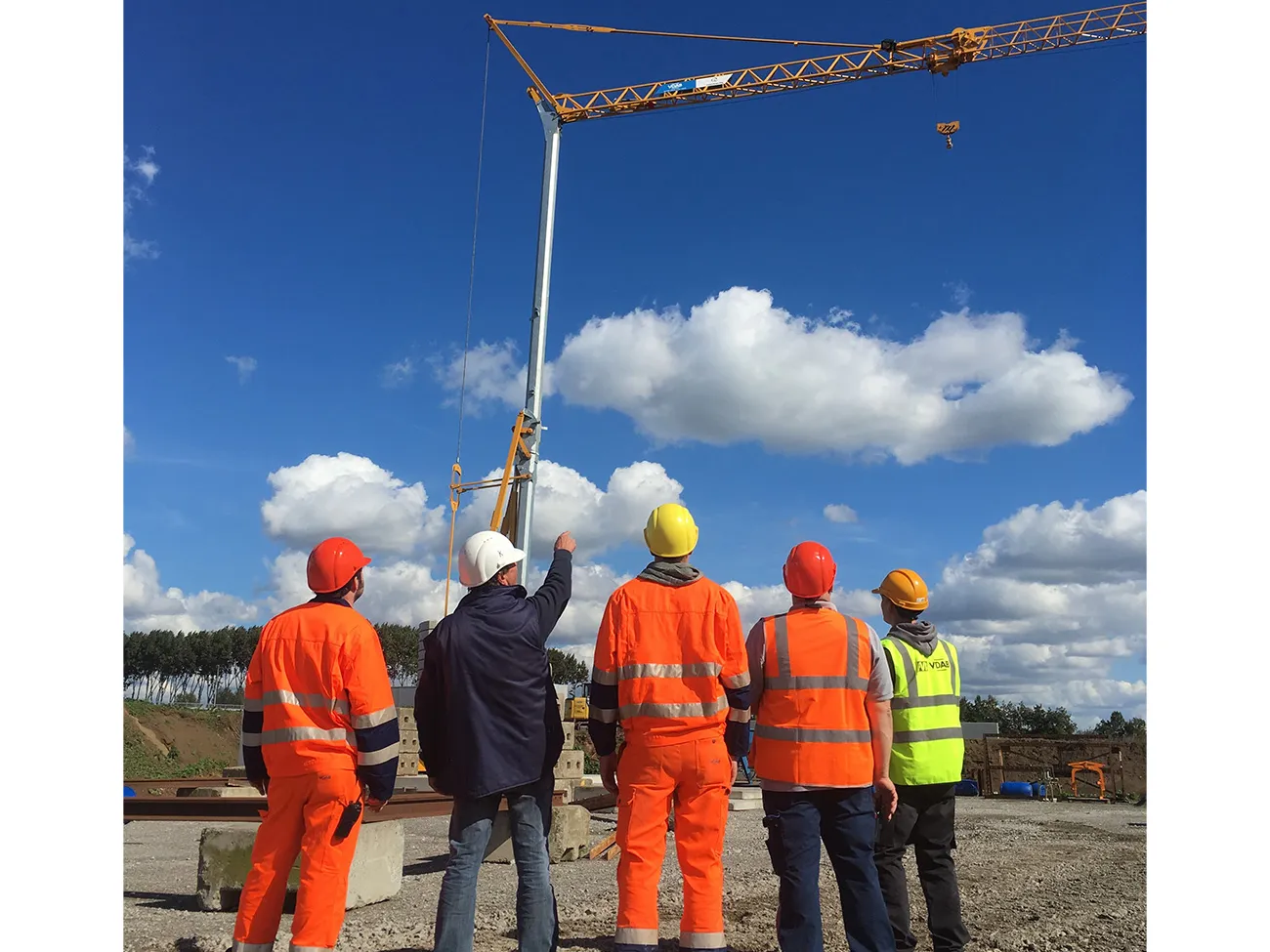
Through short, targeted training courses, work placements, individual vocational training (IBO), partnerships … VDAB aims to work as efficiently as possible to fill gaps as quickly as possible. Glenn Tesch: “This obviously calls for a lot of flexibility and tailored solutions. That is precisely why partnerships are so important. For a training project aimed at the road construction sector, for example, we brought in a specialist partner to handle the job application process. Flexibility is also reflected in our day-to-day work. Our mediators are constantly holding individual follow-up meetings, and people can start a training course at any time. This means our instructors also have to tailor their approach to trainees and work at different paces. Conversely, it is also very useful when an employer comes to us with someone who has applied on their own initiative. They may have little work experience or lack the required certificates, but have the right attitude. With a tailored training course, they can sometimes be ready to start work within just a few weeks.”
Private transport
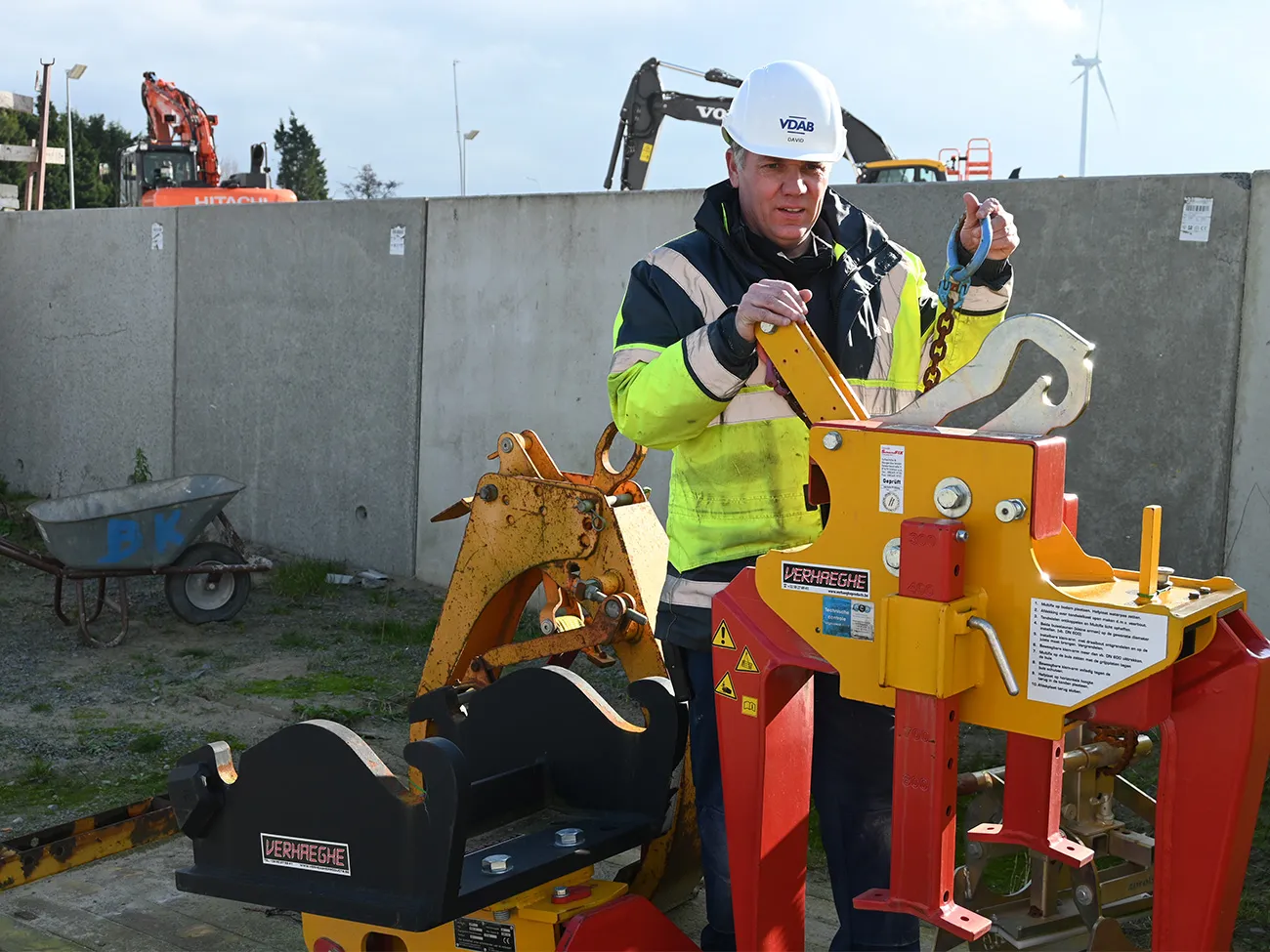
The effectiveness of this targeted approach has already been demonstrated in practice. “I would like to refer again to the road construction project mentioned earlier, which we rolled out in West Flanders. We developed a six-week training course for jobseekers from the Ostend area. As transport is a problem for many jobseekers, we arranged private transport for trainees from Ostend to our training centre. We also provided specialist Dutch lessons focused on the trade. The course was followed by a two-week work placement. In the end, seven of the eight trainees stayed on to work at their placement. The eighth person is currently taking additional Dutch lessons so they can then also start work with their placement employer,” concludes Glenn Tesch.
Een zakelijke vraag aan VDAB? Get in touch
Companies in this story
Keep following this
Get an email when a new story is published. No account needed.
- ThemePeople and expertise in infrastructure
- SubjectGeneral
- CompanyVDAB







