









The future of flexible construction
Text Roel van Gils Beeld Louwers Mediagroep
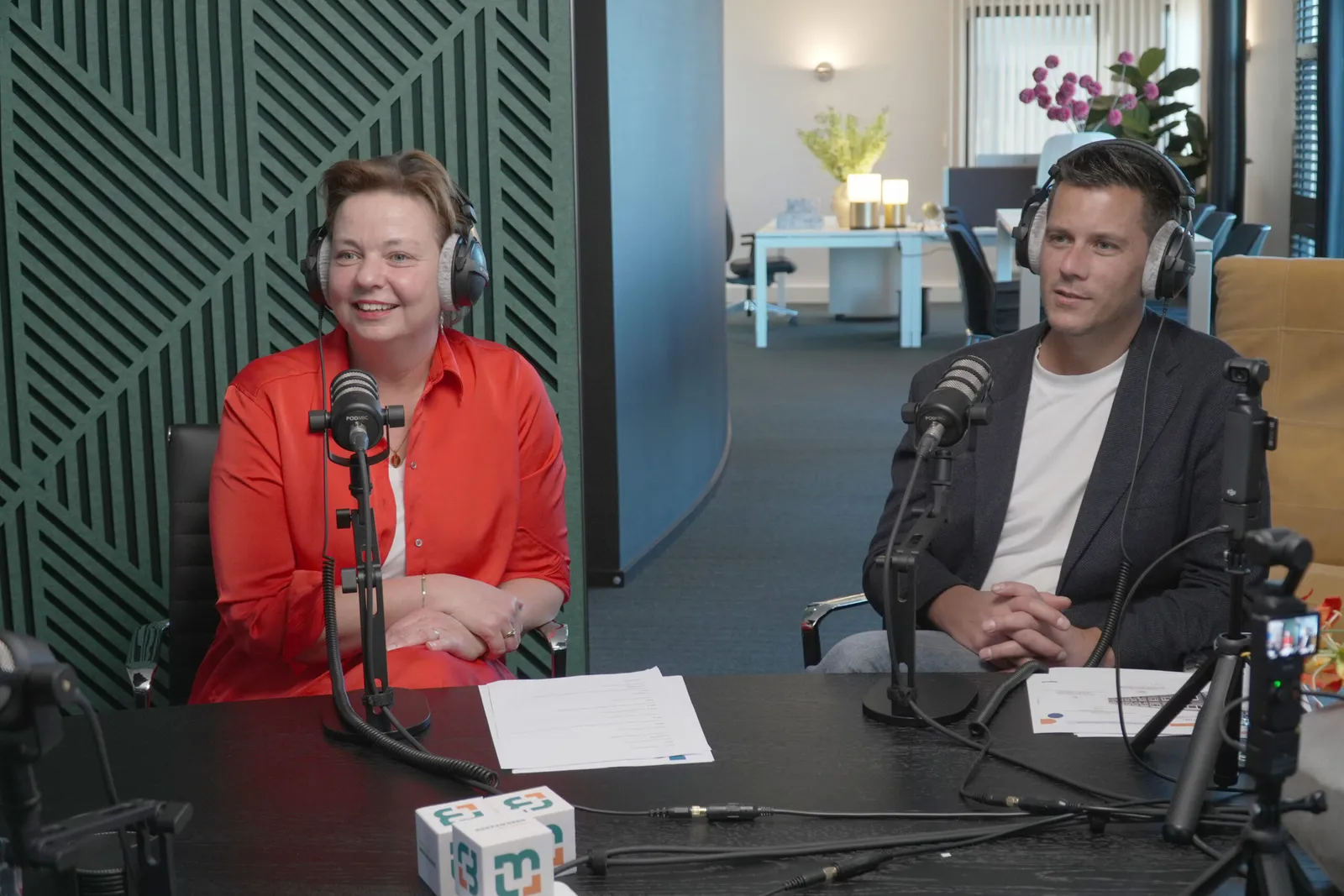
From the Louwers Mediagroep studio, it is clear that modular construction is no longer a niche or a temporary stopgap. On the contrary, it is rapidly developing into a fully fledged, flexible alternative to traditional construction methods. In conversation with Annemiek Glorie and Joris Billen, both of whom work at Algeco, a clear picture emerges of the potential, misconceptions and future of this innovative form of construction.
Modular construction is all about flexibility, says Annemiek Glorie, Commercial Director at Algeco Netherlands. “Modular solutions can adapt to changing needs. They provide temporary, flexible accommodation, for periods ranging from a few weeks to as long as ten years or more.” Joris Billen, Manager Project Office at Algeco, makes the concept tangible by comparing modular construction to Lego: “ready-made building blocks that you can combine as you wish to create complete buildings, from small office units to large-scale complexes.”

Maximum flexibility
A common misconception is that modular construction is cheap and inferior. “That is absolutely not the case,” the experts emphasise. “Because the units are manufactured in a controlled factory environment, quality is consistently high and there is less construction waste. Projects can also be completed much faster than with traditional construction, which is a decisive factor in many sectors.” The use of modular construction has expanded significantly in recent years. “Where it was once seen mainly as a stopgap, in 2026 organisations are actively choosing modular construction,” says Glorie. “Organisations that need flexibility, such as growing businesses or schools with fluctuating pupil numbers, benefit in particular. They can easily scale up or down without making long-term investments in permanent buildings.”

High levels of comfort
It is also notable that modular construction is increasingly being used for permanent buildings. “The line between temporary and permanent is becoming blurred, partly because of the high quality and comfort levels of modern units,” says Billen. Preconceptions about ‘containers’ are therefore outdated. “Algeco’s current generation of modular units offers levels of comfort on a par with, or even better than, traditional buildings, with good insulation, ventilation and acoustics.” There are, however, differences between the Netherlands and Belgium. “For example, Belgian regulations are stricter on energy performance. Buildings there have to meet insulation and sustainability requirements sooner,” Billen notes. “In the Netherlands, these rules often only apply after a longer period.” Market applications also vary: in Belgium, industry is more likely to opt for higher-end modular solutions, whereas in the Netherlands these are used mainly in sectors such as education and healthcare.
Sustainable
Modular units have an average service life of thirty years, after which most of their materials are recycled. “That in itself is sustainable. We also use sustainable technologies such as solar panels, heat pumps and rainwater harvesting systems. European standardisation also makes it easier to reuse units efficiently and exchange them between countries,” says Glorie, adding that Algeco offers both rental and purchase options. “The choice between renting and buying depends largely on budget and how long the units will be used. Renting offers flexibility and spreads the cost, while buying becomes more attractive for long-term use. Hybrid options, such as leasing arrangements, are also gaining popularity.”
The future of modular construction looks promising. Regulations on sustainability and energy use are expected to become more stringent at European level. Algeco is already preparing for this with new generations of units designed to meet future requirements and needs. The key message? “Modular construction is not a compromise, but a strategic choice. With endless possibilities, high levels of comfort and a strong focus on sustainability, it is a serious alternative to traditional construction. In many cases, it is even a better solution.”
Een zakelijke vraag aan Algeco Belgium? Get in touch
Companies in this story
Keep following this
Get an email when a new story is published. No account needed.
- SubjectGeneral
- CompanyAlgeco Belgium







