









Sustainable rail vision for the Port of Antwerp
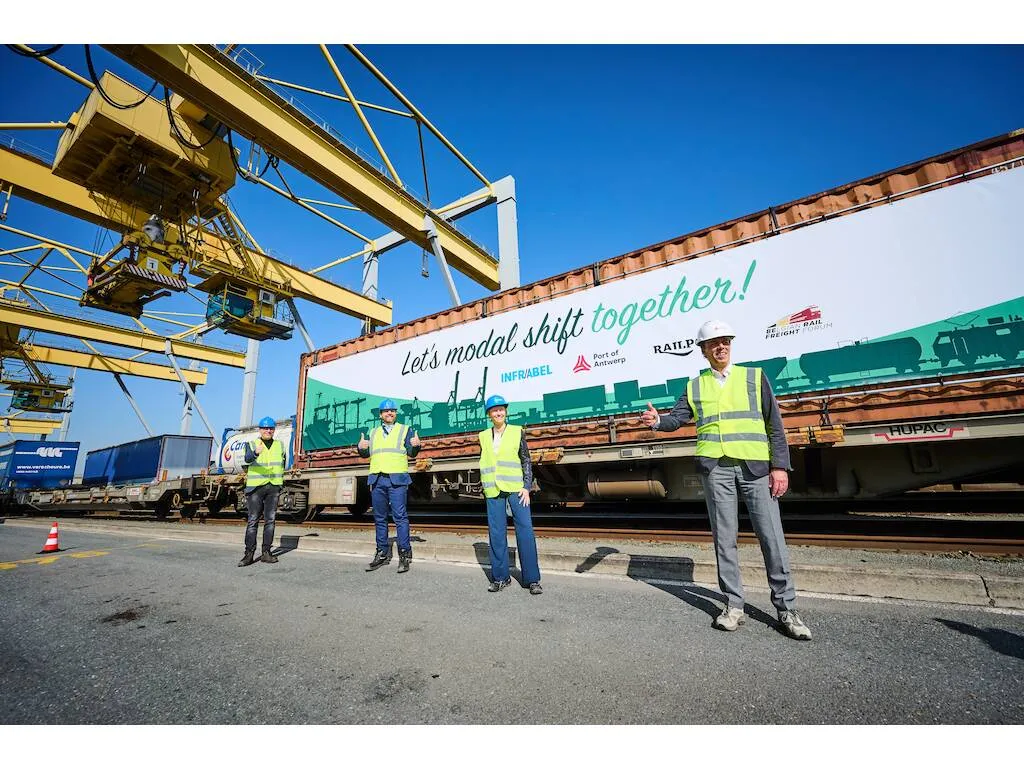
“Let’s modal shift together!” Under this slogan, Port of Antwerp, Railport and Infrabel have set out their vision for doubling the share of freight transported by rail through the port by 2030.
This modal shift is needed because moving more freight by rail is good for the climate, the economy and mobility. Infrabel is also using this rail vision for the Port of Antwerp as a springboard for an approach to freight transport across Belgium. Infrabel will develop the plan further in collaboration with the umbrella organisation representing rail freight companies in Belgium and other stakeholders.
Almost three-quarters of all goods in Belgium are transported by road. This puts considerable pressure on our planet and society. Just think of air pollution, road deaths and hours spent in traffic jams. Transport volumes are set to grow by almost a quarter by 2030. This is unsustainable, so things have to change. Rail is a sustainable solution. One freight train takes an average of 50 lorries off the road. It also emits 9x less CO2, causes 8x less air pollution, is 6x more energy-efficient and reduces road congestion. This is also in the interests of the road haulage sector. To reduce pressure on our planet, economy and mobility, it is important to move more freight by rail. That is the modal shift. But it can only happen through collaboration. All the players involved in the logistics chain, including terminals, companies looking to transport their goods, freight forwarders and the authorities, have an important role to play. The modal shift is not something a few can achieve alone, it is something we must all do together. So: “Let’s modal shift together!”
A taste for rail
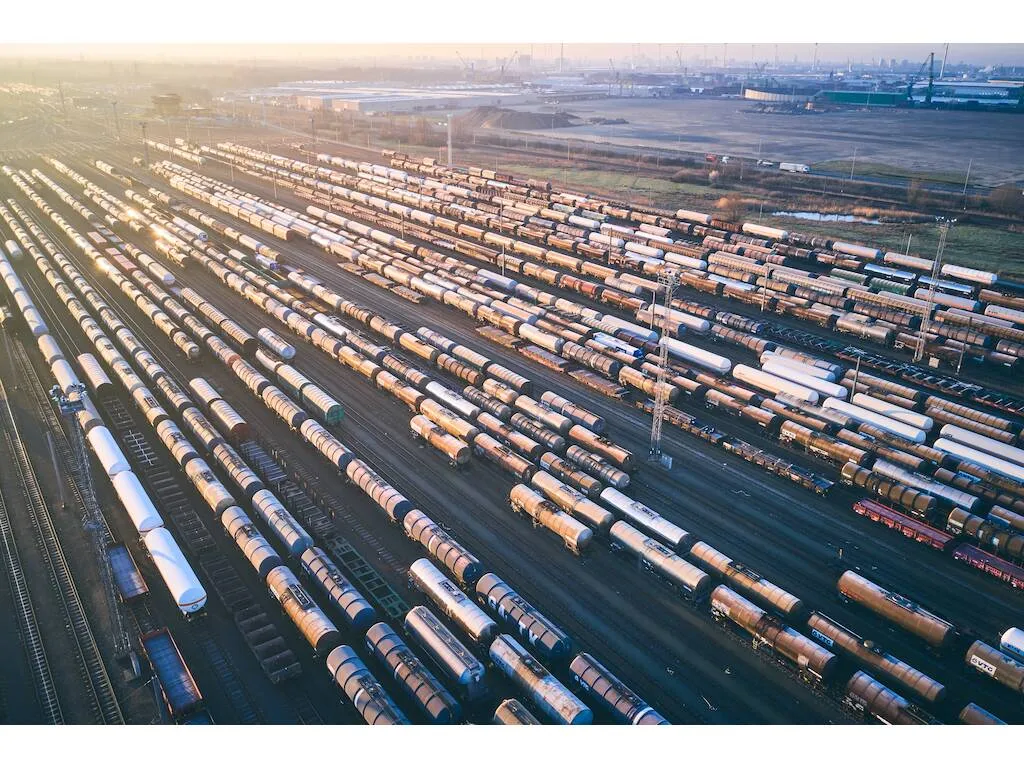
At the end of 2019, the CEOs of Port of Antwerp, Railport (representing companies active in the port) and Infrabel signed a cooperation agreement. The aim is to double the share of freight moved by rail by 2030, from 7 to 15%, an ambition shared by the entire rail freight sector. To achieve this, rail must be an attractive alternative. Business leaders need to be persuaded to choose rail. Rail’s key strengths are that it is already far safer and more environmentally friendly than all the alternatives. It is also highly price-competitive over long distances. To win over more businesses, rail traffic within the port will also become more efficient and faster. Following the signing of the cooperation agreement, specialists from the three companies drew up a joint rail vision for the Port of Antwerp. The vision, presented today, is built around seven key pillars:
- Optimally managing traffic flows throughout the port and across the entire logistics chain
- An effective stabling policy to make efficient use of available rail capacity
- Operating Antwerpen-Noord marshalling yard on a neutral basis, and consolidating volumes
- Targeted investment in the port zones with the greatest growth potential
- Efficient use of rail infrastructure
- A separate regulatory framework and port-specific rail policy
- A shared digital platform for exchanging information, in compliance with competition rules
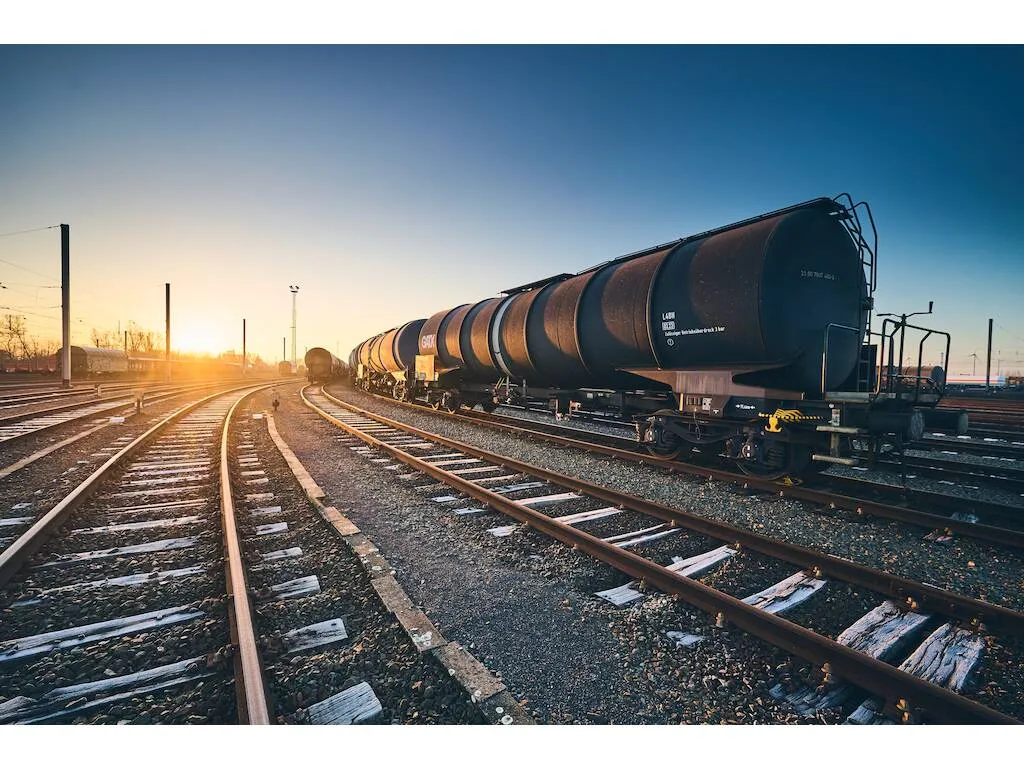
The joint vision of Port of Antwerp, Railport and Infrabel therefore sets out the direction in which the three companies want to move. Its implementation is an ongoing project that can be adapted and adjusted as needed, in constructive consultation with all stakeholders. What matters is that the three companies agree on the priorities for achieving the planned doubling of the share of freight moved by rail.
Concrete achievements
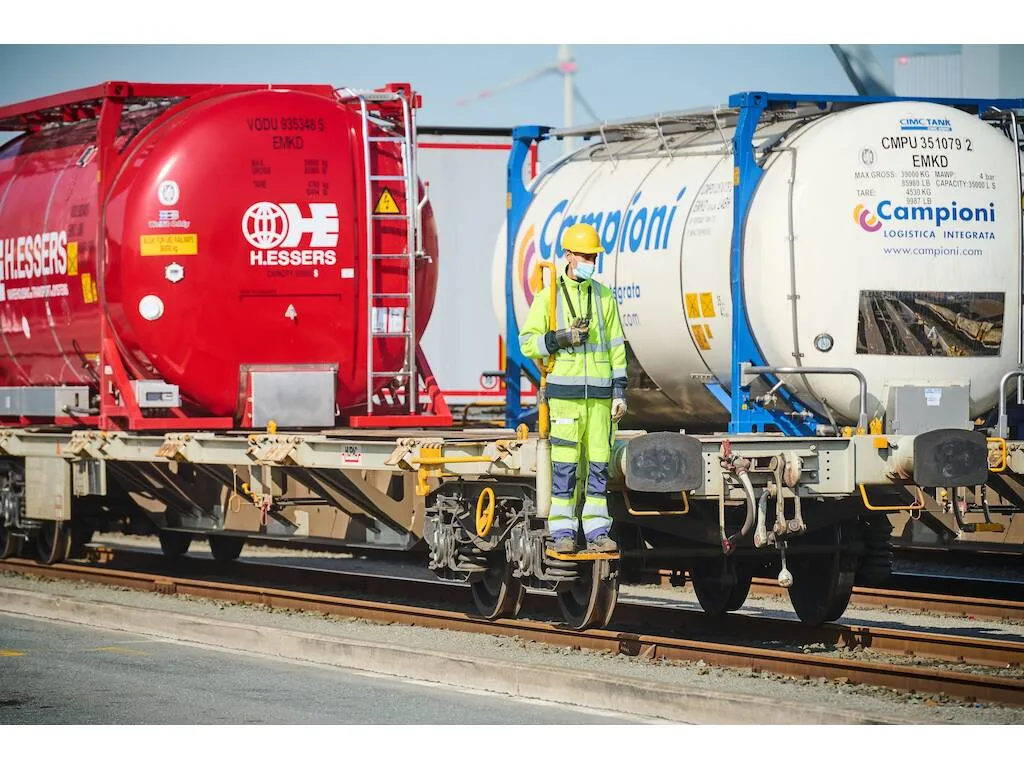
The seven pillars include projects targeting the short, medium and longer term. A number of important measures that are already benefiting freight transport in the Port of Antwerp have been implemented. On 28 March, for example, the central signal box at Antwerpen-Noord took over the last remaining signal box. This is good news for the safe and smooth management of freight train traffic. In addition, a dedicated port team was set up on 15 March, bringing together specialists who pool their rail expertise in the port. Any customer with a rail-related query can contact the team for a quick response. The aim is to find a pragmatic solution. Finally, Infrabel is training signal-box staff to offer customers real-time train paths (rail capacity) in the port. This is a major advantage in a port where businesses need to act quickly and every second counts.
Rail vision as a springboard for national policy
With their joint rail vision, Port of Antwerp, Railport and Infrabel are taking a crucial step towards upgrading rail freight transport in the port. But this is not the end of the road. The Port of Antwerp is a major logistics hub and one of the main drivers of the Belgian economy. Freight traffic to and from the port accounts for around 50% of rail freight transport in Belgium. What works well here can also be applied elsewhere. The plan presented today could therefore serve as a springboard for the infrastructure manager to develop a national vision for freight transport across Belgium. Other logistics hubs and industrial sites in the country also need a modal shift.
All together
2021 is the European Year of Rail. There could be no better time to make a strong push for the modal shift. Work is currently under way on a comprehensive plan to double the share of freight moved by rail across Belgium. A broad group of companies and stakeholders, both inside and outside the sector, are working closely together. The group includes the umbrella organisation for Belgian railway undertakings, the Belgian Rail Freight Forum (BRFF), Port of Antwerp and Infrabel. Specialists are working on an integrated proposal to achieve the modal shift nationwide. All parties want to make this a national priority. Because the modal shift is something we must all achieve together.
Georges Gilkinet, Deputy Prime Minister and Federal Minister for Mobility: “Rail freight transport is a forward-looking solution for our economy, our health and our environment, and it reduces the number of lorries on the road. I fully support this initiative by the Port of Antwerp, Infrabel and Railport: we can only find solutions by working together. The federal government’s goal of doubling rail freight transport by 2030 is clearly on track here in Antwerp! As Minister for Mobility, I am working with the railways on a ‘National Freight Transport Action Plan’ to make even better use of the natural advantages and competitiveness of rail freight. No one doubts that the projects being discussed here today will also inspire other ports and industries.”
Infrabel CEO Benoît Gilson: “Doubling the share of freight moved by rail in the Port of Antwerp within ten years is a challenge Infrabel is keen to take on. I am extremely pleased with this joint rail vision, because it gets everyone pulling in the same direction. The modal shift to rail is good for people, the environment and society. Rail freight transport must become a national priority. To achieve this ambitious goal, we are working with all our stakeholders and customers, as well as their customers. We can do this together!”
Question about this story? Ask your question
Keep following this
Get an email when a new story is published. No account needed.
- SubjectGeneral







