









Renowned multidisciplinary design firm makes a clear commitment to Information Engineering
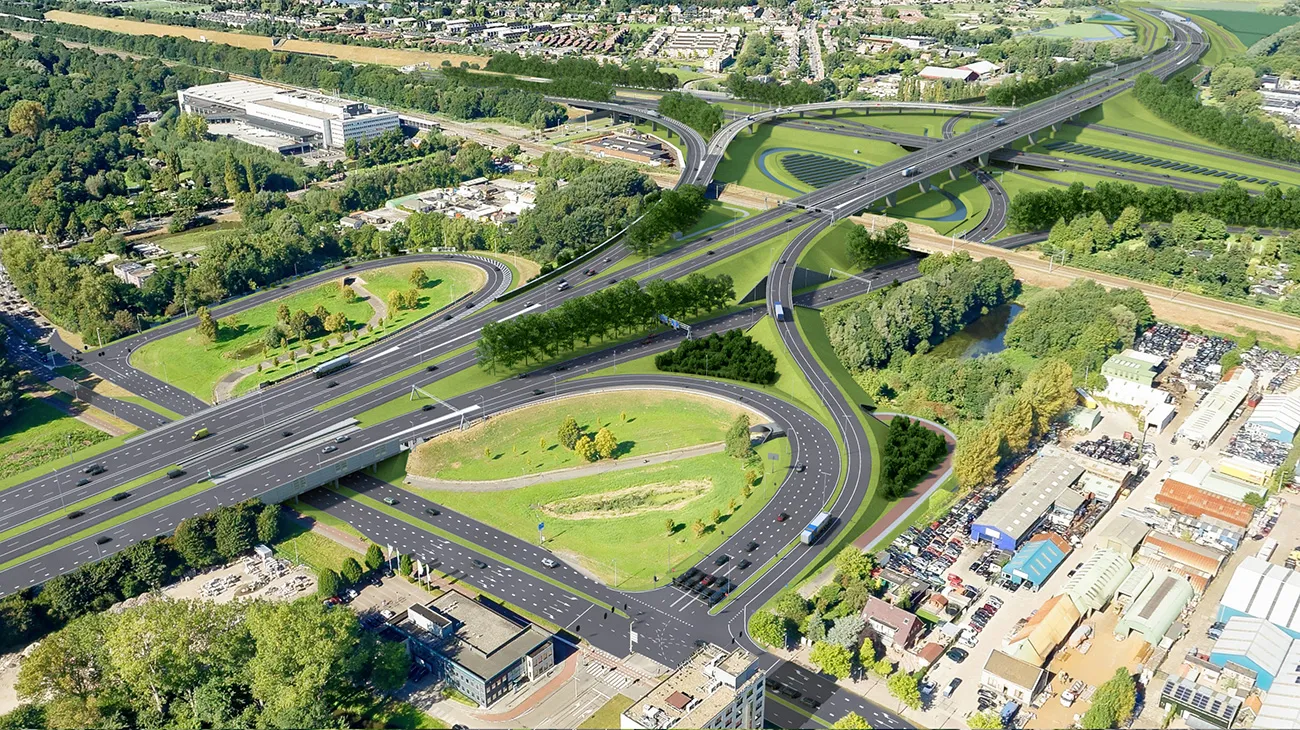
Through Information Engineering, Infranea, the infrastructure division of VK architects+engineers, aims to meet clients’ needs to map and manage information relating to large, complex infrastructure projects. The result is significant added value for clients in terms of traceability, efficiency, service life and the cost of failures throughout the infrastructure’s lifecycle. “We create and manage information processes for infrastructure projects on behalf of our clients, from start to finish,” says Bruno De Saegher, managing director of Infranea.
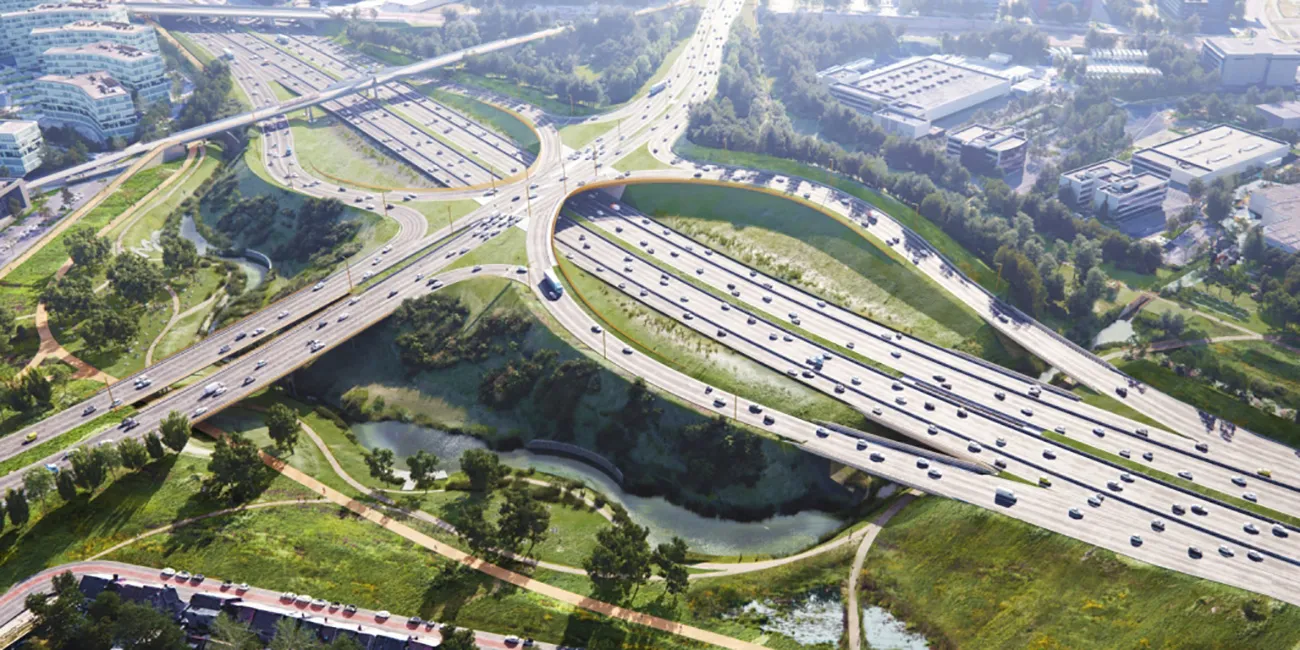
With more than 70 years’ experience in healthcare, industry, buildings & infrastructure, VK architects+engineers gained a substantial body of digital expertise in 2019 with its acquisition of Infranea, the leading player in digitalisation processes for the infrastructure sector. In a rapidly changing world, data and information are becoming increasingly important. The infrastructure sector is no exception. Projects undergo many changes over their long lifecycles. Through Information Engineering, Infranea maps these changes from start to finish. This results in a wealth of information being available when the project is handed over.
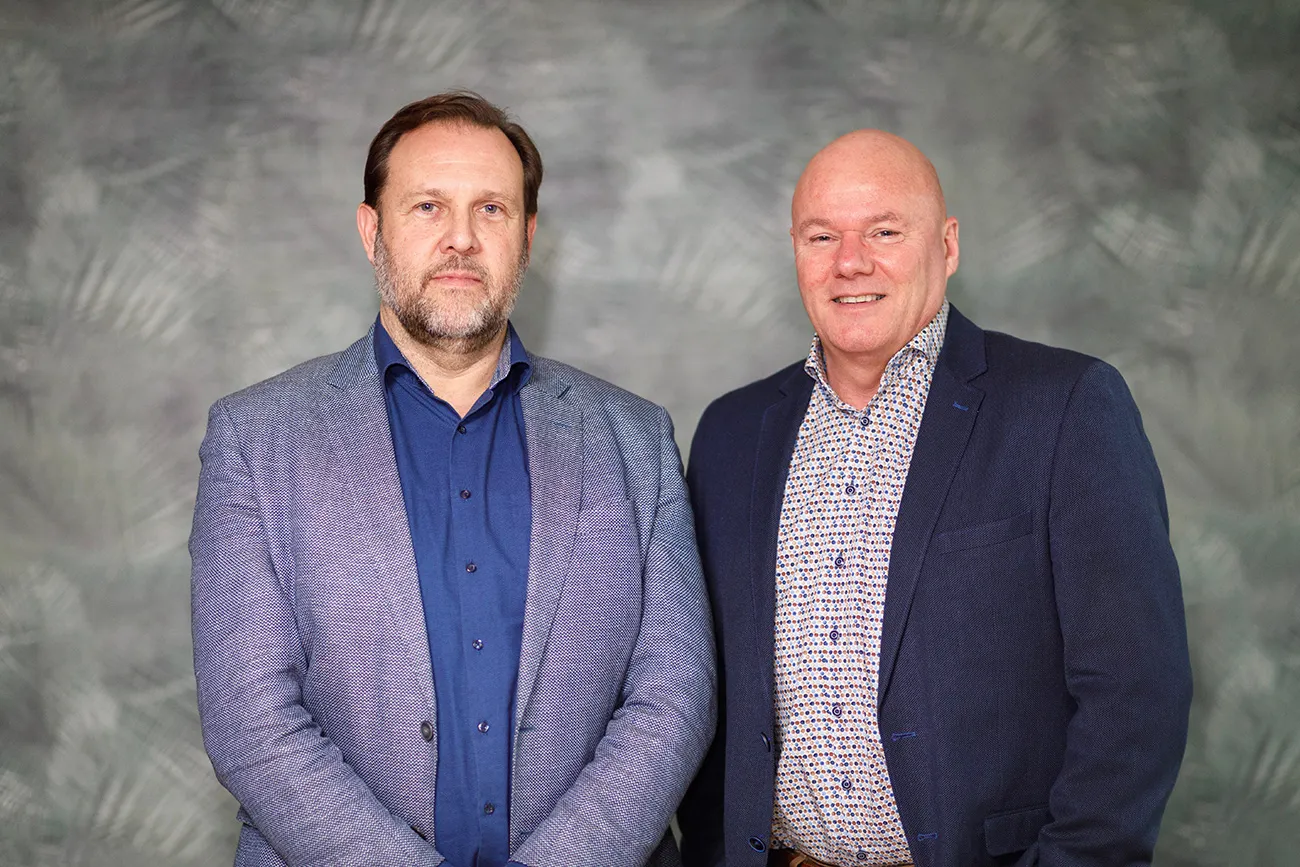
Bruno De Saegher: “Clients expect a project to be resilient to change, in other words, robust. The overall delivery of an infrastructure project can take 15 years or even longer. Traceability of changes is crucial. Information Engineering also helps reduce the cost of failures. It also shortens and streamlines the design process and information processing. In short, the four benefits of Information Engineering are robustness, traceability, reduced costs of failure and greater efficiency.”
Full lifecycle partner
Infranea wants to work with its clients to remain involved before, during and after the construction phase. By taking responsibility for information management from A to Z, or at each stage, it becomes a full lifecycle partner for its clients. Its extensive expertise in infrastructure projects is combined with its knowledge of digitalisation and processes. Jaap de Boer, operations director at Infranea: “We position ourselves as Information Engineers for large, complex infrastructure projects. In practical terms, this means helping our clients turn project data into information they can use to make the right decision at the right time, for example on maintenance and/or renovation. As well as designing and generating information, we also focus on managing it, throughout the entire lifecycle.”
It would be an understatement to say that the infrastructure sector has been transformed over recent decades. Bruno De Saegher: “We have evolved from connecting two places, for example by means of a road, to creating a data environment. On this ‘road’, users, operators and the infrastructure itself process and generate data. We measure, observe and inform. Managing that data and information is now a challenge for many clients.”
Detecting problems in advance
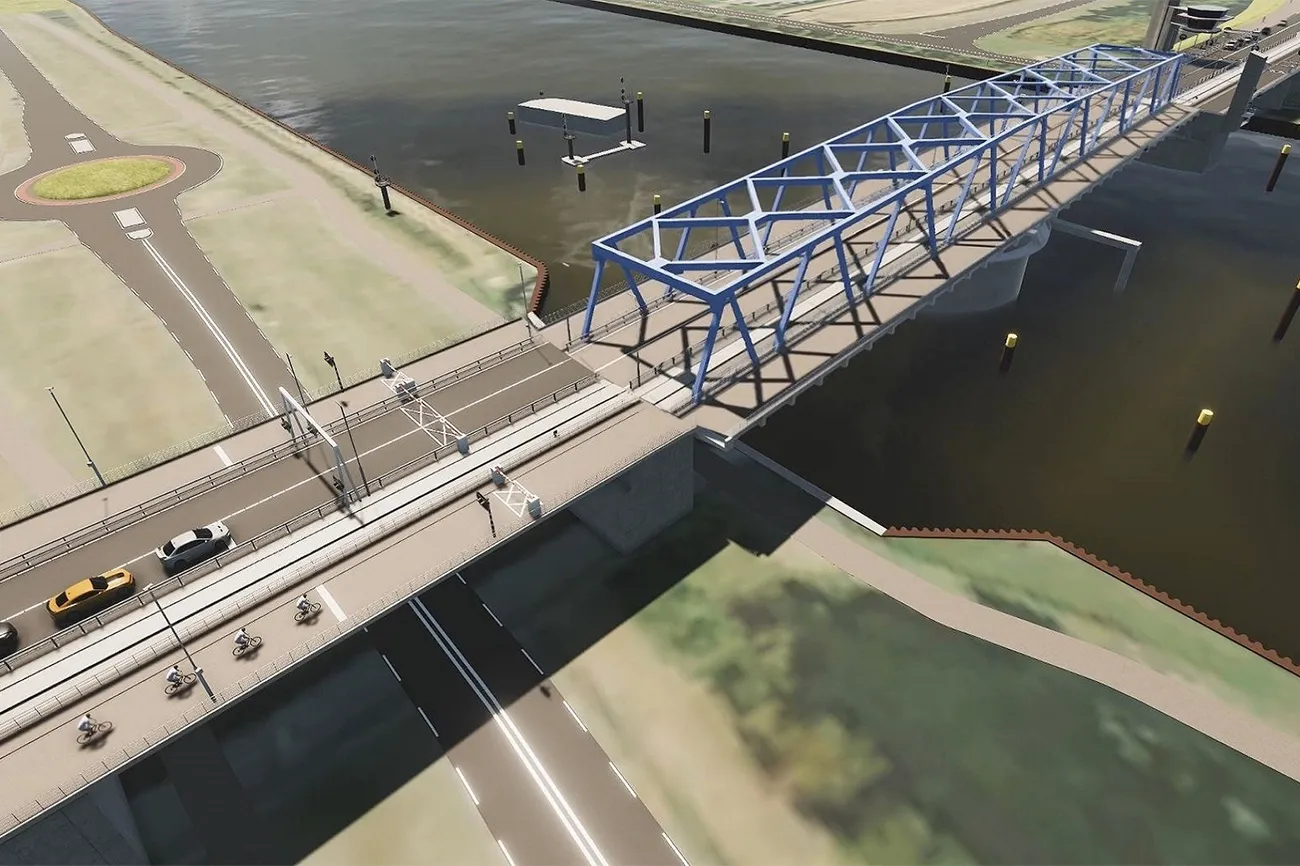
Infranea recently helped the Flemish Institute for Mobility investigate how environmental factors affect road users’ behaviour. Jaap de Boer: “Simulations were used to test the effect of wind turbines’ shadow flicker on road users. Other examples of Information Engineering include the A16 tunnel project in Rotterdam and the Sluiskil swing bridge. Digital twins have been created for both. By combining Virtual Reality with the installation’s actual control software, the client was able to carry out virtual tests, validate the project with stakeholders and use the digital environment for training and exercises. Information Engineering also helps make asset management more efficient. By linking digital twins to sensors, we can analyse and simulate expected behaviour.”
Infranea’s strong commitment to Information Engineering is hardly surprising. As mentioned earlier, all the necessary expertise and experience are already in place. “By combining different areas of expertise, digitalisation, processes and infrastructure, we can finally offer clients a solution. We help reduce the cost of failures, improve traceability and make their projects robust over time. With this niche service, VK architects+engineers and its subsidiary Infranea are reinforcing their ambitions as a full lifecycle partner,” concludes Bruno De Saegher.
Een zakelijke vraag aan Infranea? Get in touch
Companies in this story
Keep following this
Get an email when a new story is published. No account needed.
- SubjectGeneral
- CompanyInfranea







