









Recycling as a priority!
GLK, founded in 1997, has been a respected name in the construction sector for many years. GLK comprises 3 divisions: GLK Grondwerken, focused on general earthworks and demolition; GLK Recycling (until recently known as GV&T Kruishoutem), focused on recycling soil and construction waste; and GLK Consulting, focused on providing advice during the preparation of construction projects.
With the launch of its recycling division, GLK was a pioneer in the truest sense of the word. “In 2004, environmental management was not yet on the construction sector’s radar,” says plant manager Peter Decanniere. “GLK’s directors were a notable exception. New legislation on the movement of soil was being drafted at the time, which prompted the company to invest in this area and develop its own site, approved by Grondbank. The original name, GV&T, short for Grond Verbetering en Tussentijdse opslagplaats, refers to this. From the outset, the aim was to find a destination for surplus soil from construction sites. We were among the first to have a soil stabilisation machine. This adds cement and/or lime to screened soil to produce Bekasol (stabilised soil), an ideal product for backfilling beneath floor slabs, in cellars, and in sewer and cable trenches …”
Receiving and taking over
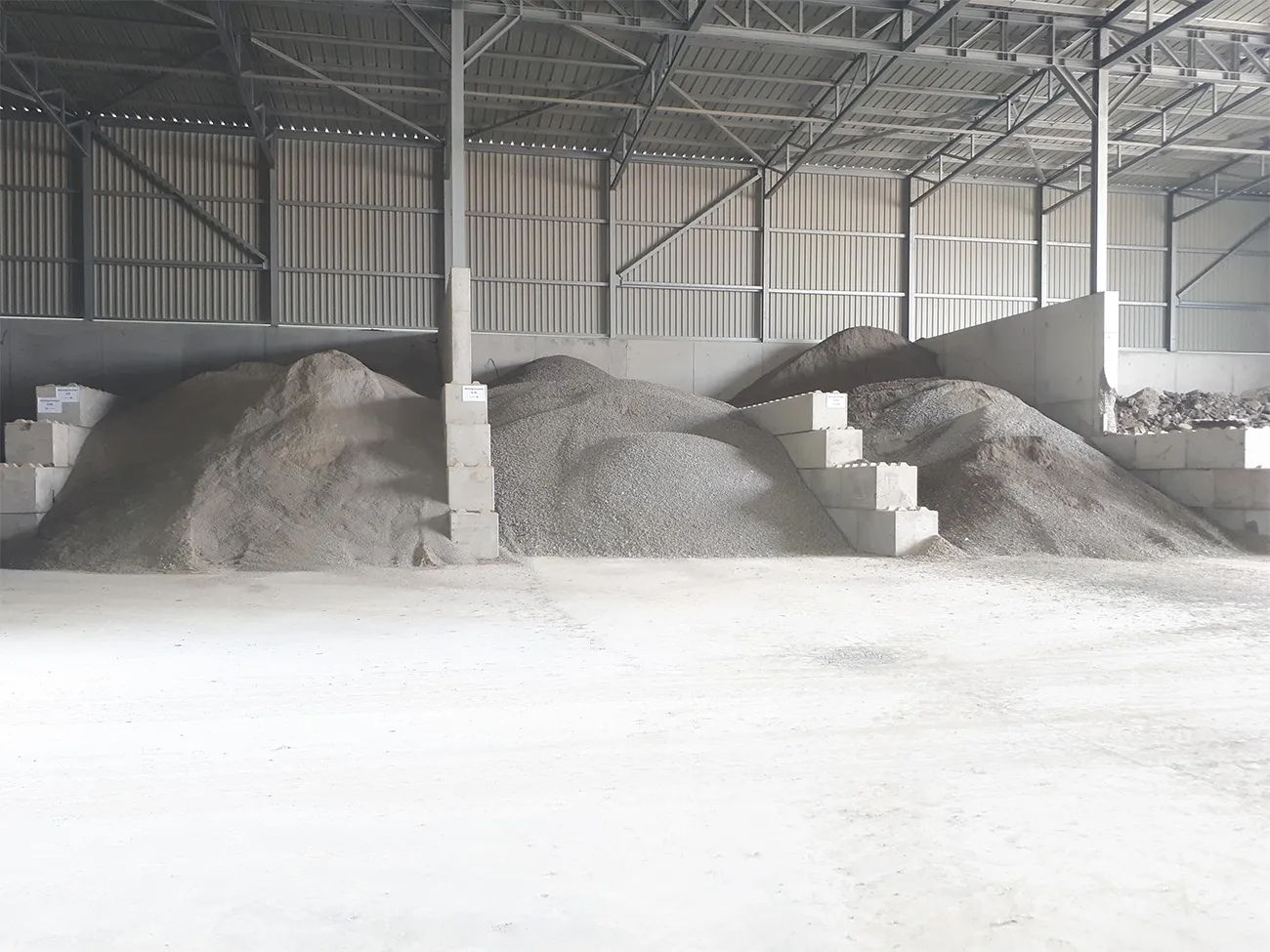
The site is approved by the non-profit organisation Grondbank as a temporary storage site for excavated soil. Anyone can bring surplus soil here. In addition, the various streams of construction and demolition waste are inspected on arrival and stored separately for subsequent recycling. Other waste streams, such as mixed construction waste, green waste and pruning, wood and Ytong, are sorted and stored by type.
Recycling too
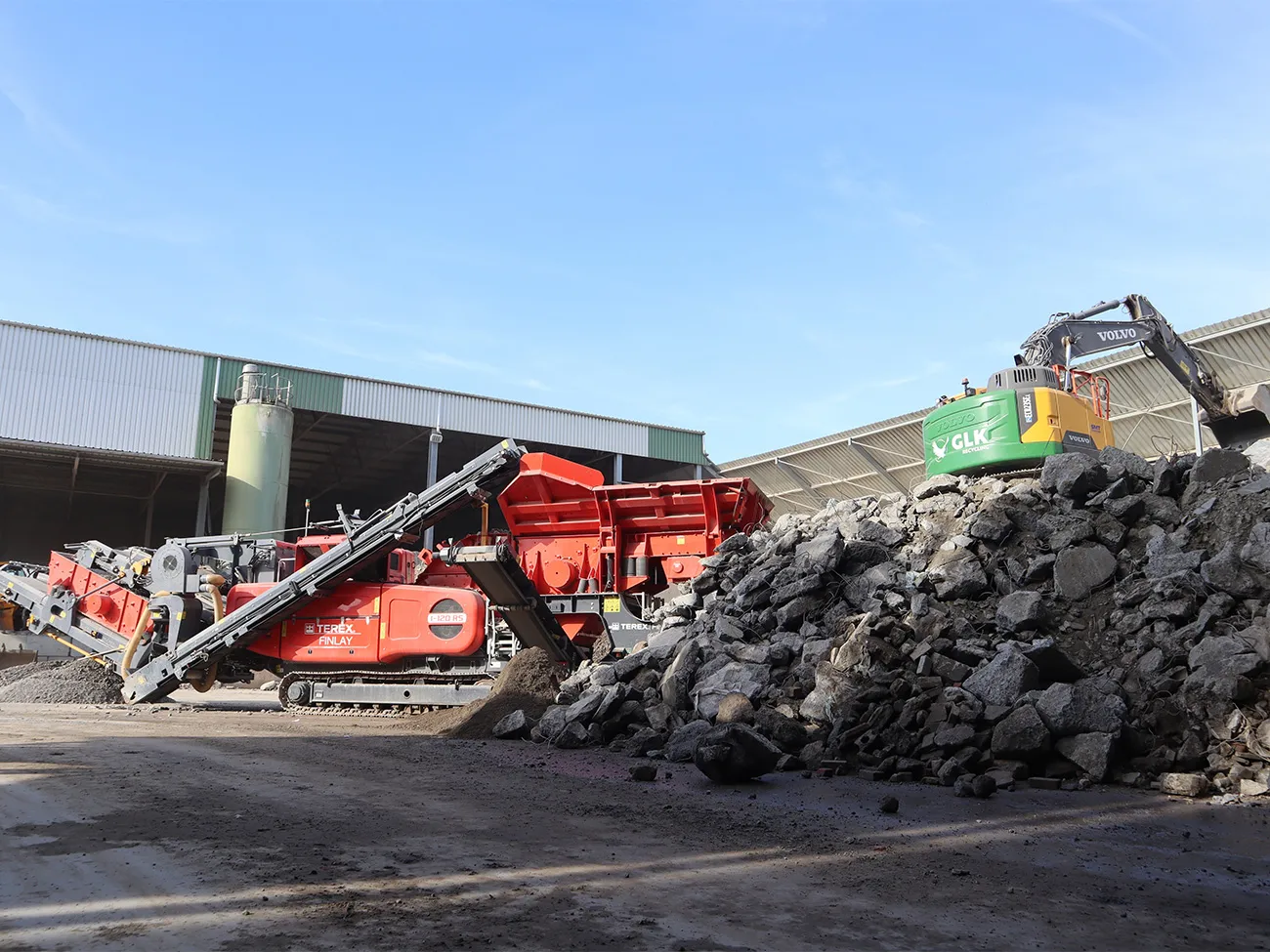
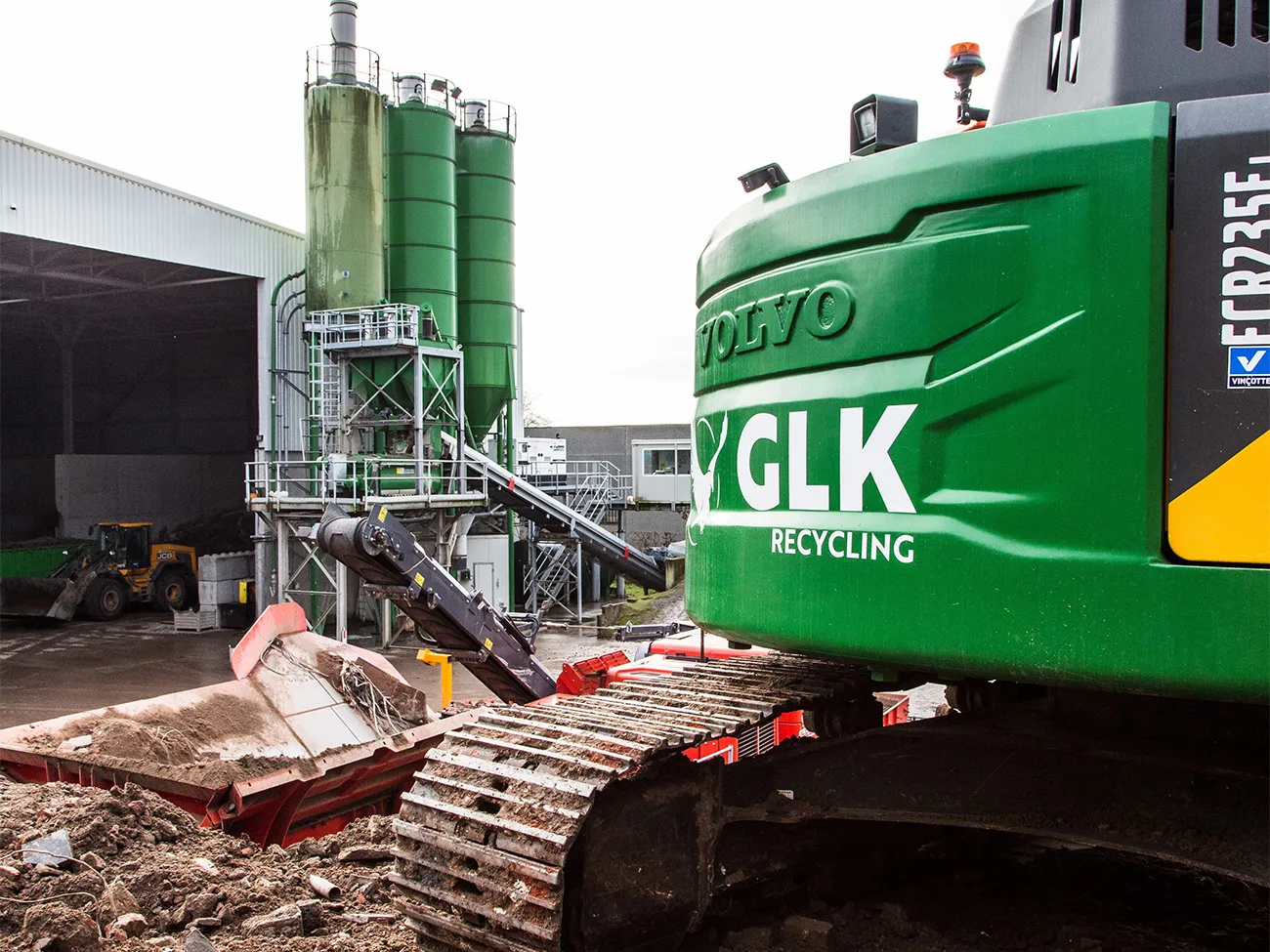
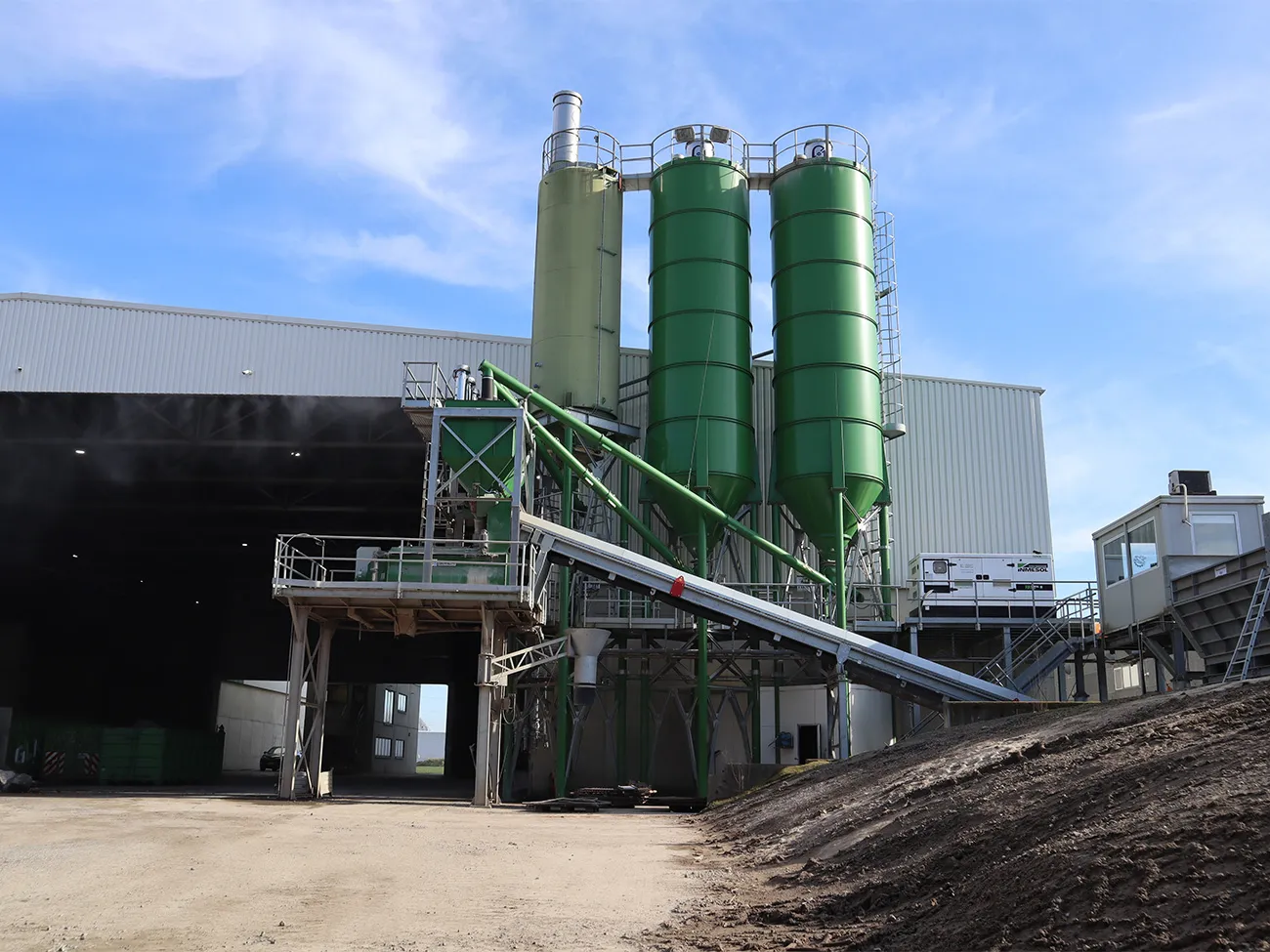
GLK Recycling focuses entirely on recycling soil, mixed rubble and concrete rubble. The process starts by sorting the incoming materials into clean waste streams. The remaining rubble is crushed in accordance with statutory standards to produce new raw materials: mixed, concrete or asphalt aggregate. Peter Decanniere: “Here too, we mix measured quantities with cement, for example to produce stabilised sand or lean concrete at our own concrete plant, which was recently expanded. Such recycled material is extremely popular for the foundations of paving blocks and kerbs, as well as for car parks and roadworks …”
A range of advantages
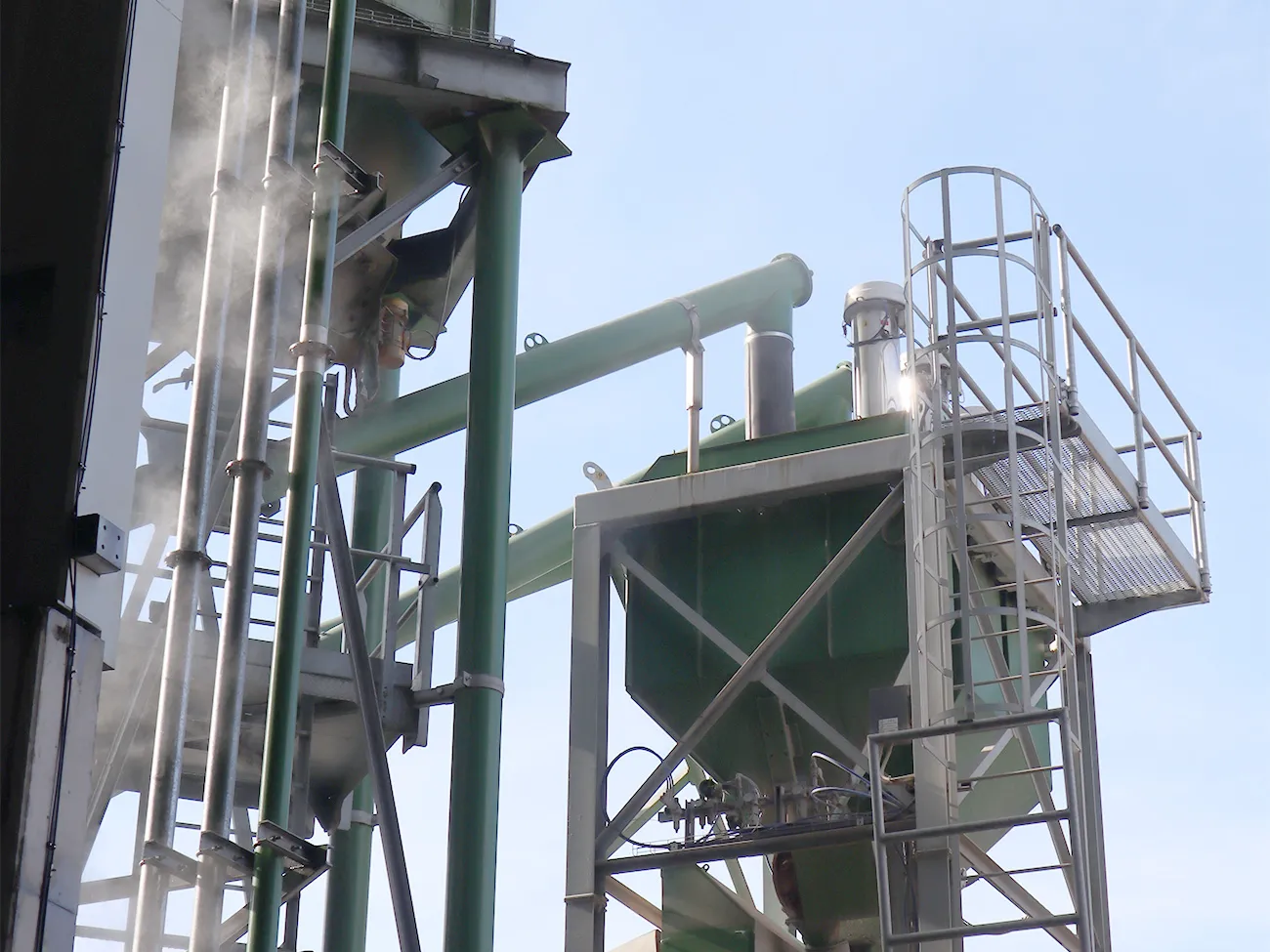
“The great thing is that practically nothing goes to waste,” explains site manager Simon Bothuyne. “After the entire recycling process, just 1 % of all the waste streams we receive consists of impurities, which are sent to approved treatment centres. Our broad environmental approach is reflected in a number of measures that we see as our strengths. On dry days, we use water misting at the mixing plant to prevent dust from reaching our neighbours’ sites. We have also invested in a low-noise crushing plant to minimise disruption in that respect. 80 % of our site is covered, which helps maintain the quality of our recycled materials and optimised products. It also enables us to collect as much rainwater as possible and reuse it in our misting system. Finally, we have 2 weighbridges, keeping waiting times for deliveries and/or collections to a minimum. In short, GLK Recycling stands for quality in three areas: product, service and the environment.”
Question about this story? Ask your question
Keep following this
Get an email when a new story is published. No account needed.
- ThemeMaterials with a lower environmental impact
- SubjectGeneral







