









Reaching new heights: the challenges of high-rise construction
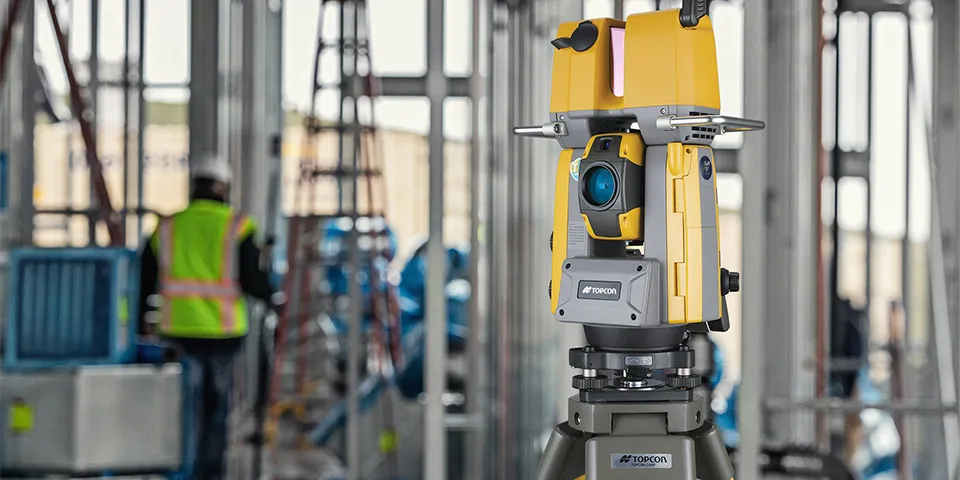
By 2050, 70% of the world’s population is expected to live in cities. With little space available and room needing to be made for so many people, construction companies are looking for solutions. However, the construction industry is lagging significantly behind in terms of modernisation. High-rise projects are often difficult to deliver when traditional construction workflows are used. Professionals working with governments are increasingly urging project delivery teams to adopt digital working practices.
Chris Emery, Senior Manager Vertical Construction at Topcon Positioning, discusses how new technology can boost productivity and prevent clashes and errors in high-rise construction. “A great deal of time goes into carefully designing and planning high-rise buildings to ensure that they are stable and safe during construction and after handover,” he says. “Regularly checking the structure is essential to ensure that project delivery teams follow that meticulous design. Without these checks, misplaced components and deviations can go unnoticed, with potentially serious consequences during the works. This can cause the scale and ultimate cost of the problem to spiral. Verification technology enables us to compensate for unexpected deviations from the design.”
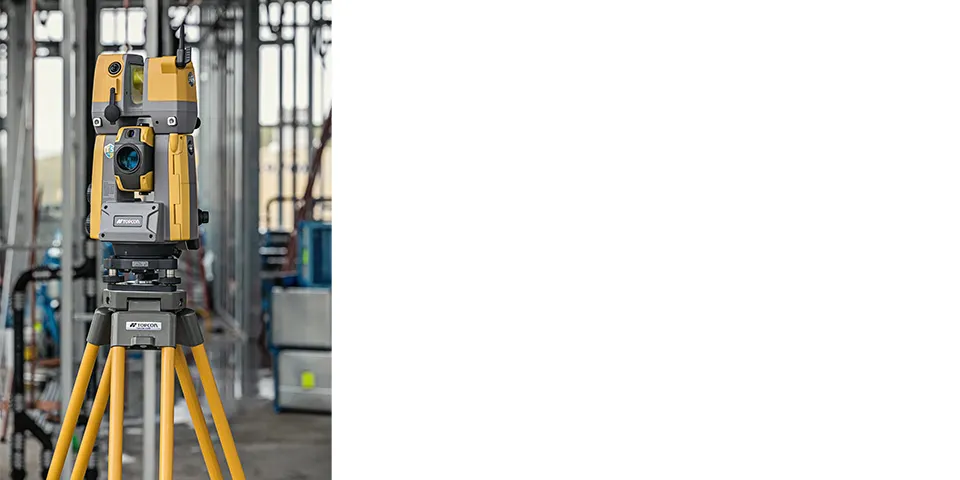
“Topcon operates at the intersection of infrastructure and technology, working with the construction industry to ensure these technologies deliver tangible results.”
Verification technology
Verification technology has been available for years, but it has meant a lengthy and expensive process. Many construction companies have had to rely on equipment and expertise from external scanning teams, often leaving months between scans because there was not enough budget to collect data regularly. The reality is that without continuous on-site validation and verification, errors or deviations will occur and inevitably lead to delays and higher costs.
Chris Emery: “Industry reports show that 5 to 12% of construction budgets are spent on corrections and adjustments. This year, a new workflow was introduced, specifically developed for high-rise projects. It comprises a single device that combines a high-performance scanner and a robotic total station, together with powerful software that can generate reports on non-compliant components in practically real time. Used with Topcon’s MAGNET software and ClearEdge Verity software, the GTL-1000 makes it possible to carry out verification at every stage while building a digital representation of the as-built structure.”
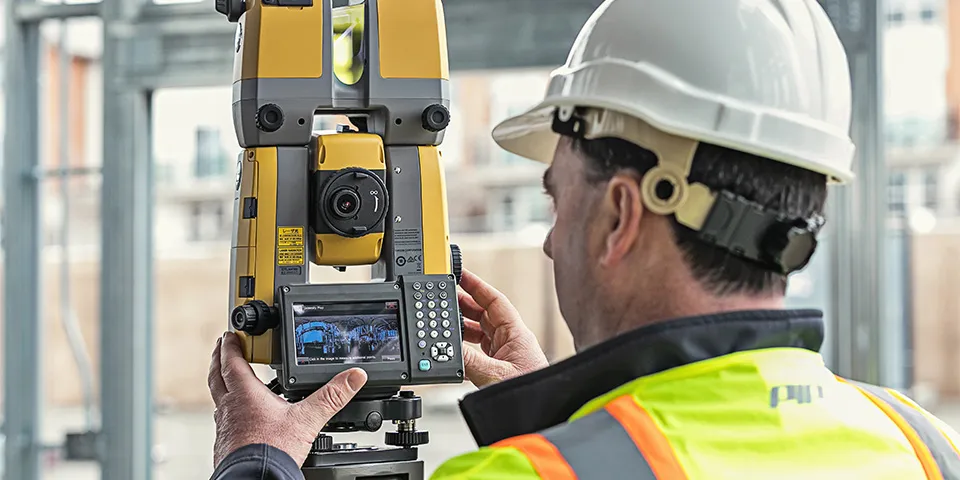
Regular inspections can prevent the need for adjustments.
Responsible use of resources
If regular inspections can prevent adjustments, they will also reduce waste, as problem areas will not need to be rebuilt. Avoiding adjustments can also reduce the use of plant and equipment, saving resources such as workers’ time and energy. “Adjustments have a significant impact on budgets and schedules, so there are opportunities to channel that money into improvements,” says Chris Emery. “It can be invested in higher-quality materials that are more durable, easier to maintain or even self-regulating or self-healing, reducing the cost of future maintenance.”
When workers can focus on the tasks that matter most, projects are less likely to overrun, and team members can stay focused rather than becoming exhausted from working continuously. This helps maintain safety on site and makes your team more satisfied and productive. Preventing errors also leaves more room and flexibility to respond to design changes announced late in the project.
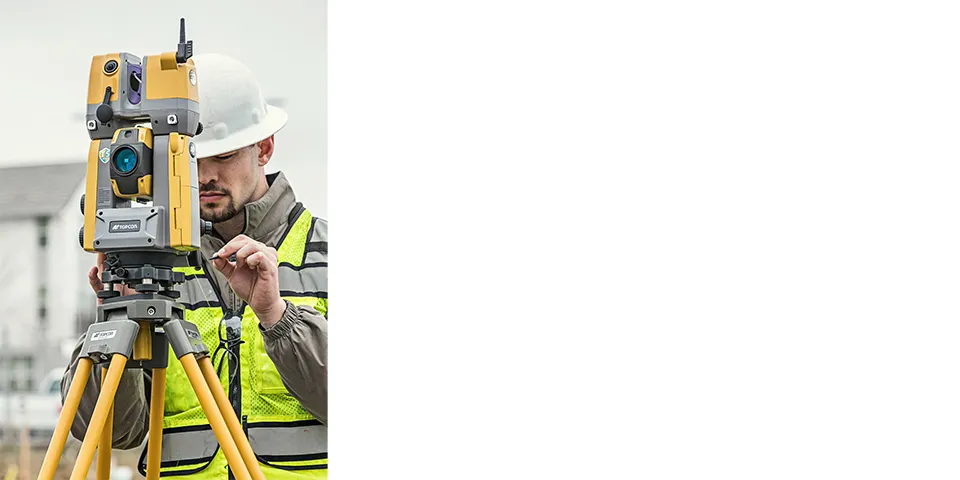
Collaboration between stakeholders
There is a perception in the construction industry that sharing intellectual property is risky. Releasing information is seen as a form of financial loss. However, a report produced by PlanGrid, an Autodesk company providing productivity software for the construction industry, found that “52% of rework was generally caused by inadequate project data and communication, accounting for US$280 billion worldwide in 2018.”
Chris Emery: “Just think how much we could contribute to reducing global carbon emissions by managing projects better. Software is available that allows designs, design updates and scan data to be shared in real time with teams in the office and on site, wherever they are in the world. This ensures everyone is on the same page and prevents old and new datasets from being mixed up. Technology can ensure that the machines being used work with the same data. Topcon’s MAGNET suite is just one example of a connectivity solution for project delivery teams.”
After construction
Once high-rise buildings have been constructed, it is important to maintain them. To make the most efficient use of space for residents and businesses, these structures are always located in densely populated areas. Deterioration or defects could therefore have catastrophic consequences. Useful data collected during construction and after the work is completed can be shared to ensure that the building is properly maintained over time.
“We know that technology exists to improve the construction of high-rise buildings, yet it is still not widely used,” says Chris Emery. “The construction industry has learned from the criticism in the 2016 Farmer Review and is considering modernisation and the adoption of new technology. However, as shown by Topcon GB’s own research with the Institution of Civil Engineers, Breaking Barriers in Infrastructure, published in 2018, current business culture is one of the biggest obstacles to adopting new technology and work processes, with financial implications in second place.”
Fear of risk and the belief that change is not necessary in construction fuel the idea that investing in new technology is not worthwhile. “Topcon operates at the intersection of infrastructure and technology, working with the construction industry to ensure these technologies deliver tangible results. As more companies recognise the opportunities technology offers, I hope more consultants, contractors and project delivery teams will get behind it and work together to reach unprecedented heights,” concludes Chris Emery.
Topcon Positioning Belgium
Doornveld 141: Z3 1731 Zellik
T +32 2 466 82 30
www.topconpositioning.be
Question about this story? Ask your question
Companies in this story
Keep following this
Get an email when a new story is published. No account needed.
- SubjectGeneral
- CompanyTopcon







