









On the way to urban farming
From low-maintenance plants, trees and embankments to trafficable lawns and semi-permeable surfaces. Green space in public areas is becoming increasingly important. “And I expect public green spaces to face even higher demands in the future, leading to edible fruit in the city, green façades and urban farming,” says Bart Geerts, managing director of Terraviva in Nazareth.
When it comes to green space in public areas, cities and municipalities are now particularly keen on sustainable planting. “In practice, this means planting fewer trees, but giving them much more room to grow into landmark trees,” says Bart Geerts. “Trees in narrow streets are too costly to maintain. Locations where they have plenty of space above ground and are not squeezed between a cycle path and the road are especially popular.”
Trafficable lawns
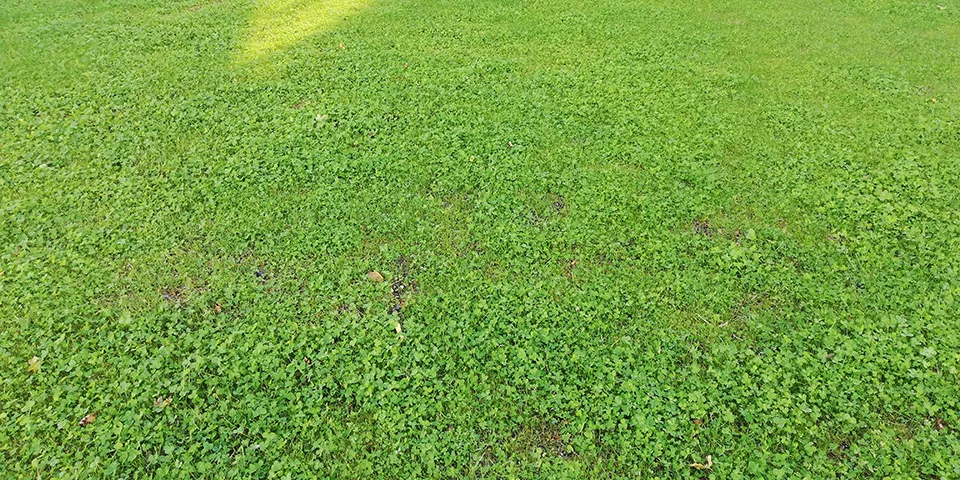
Of all the possible green applications, trafficable lawns are currently very popular. Bart Geerts says: “Our patented gravel lawn is used for lawns that are driven over periodically, such as village squares where a tent is put up a few times a year. TerraViva® gravel lawn® is also highly permeable, so there is no need to drain surface water. The car park at Fort van Liezele, where around 6,000 m² has been set aside for emergency parking, is a good example of this application. Our latest variant, in which we mix microclover in with the grass, is also very popular because there is no need for additional fertiliser. It has been used, among other places, in Nieuwpoort for parking for emergency services.”
Natural woodland soil
Terraviva expects city residents to make ever greater demands for green space in the future. “This will lead to edible fruit in the city, as well as green façades and urban farming. At present, it is still too soon for that. First, all polluting vehicles will have to be banned from the city,” says Bart Geerts, whose company, Terraviva, is committed to the cradle-to-cradle principle. “You cannot simply manufacture the carbon that plants need. It is a process that requires time, water and oxygen. That is why we use natural woodland soil from sod-cutting work in nature reserves, compost green waste from pruning and tree removal, and try to reuse used potting soil.”
Question about this story? Ask your question
Keep following this
Get an email when a new story is published. No account needed.
- ThemeSpace for water and green infrastructure
- SubjectGeneral







