









Maris Natuursteen reclaims setts and natural stone for outdoor use
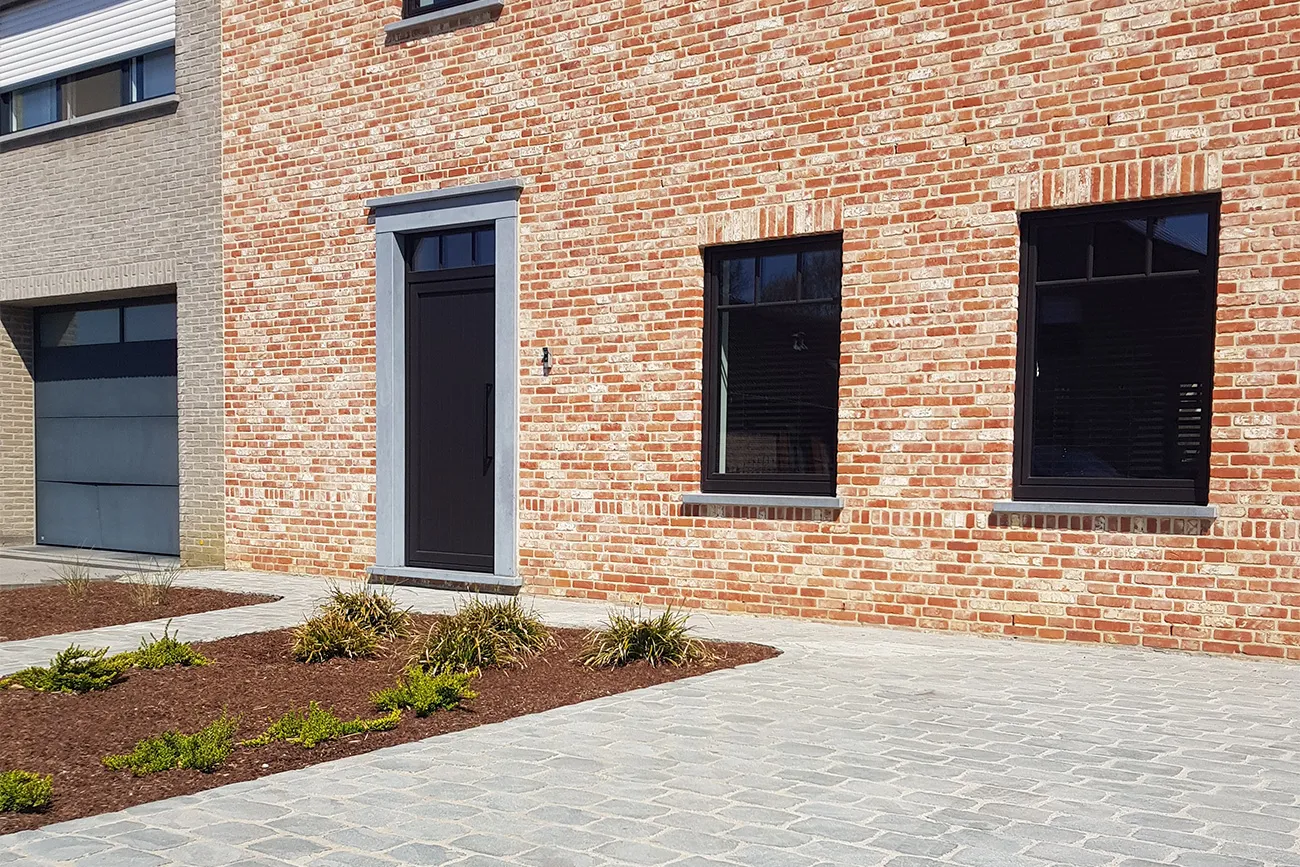
Want to use natural stone paving materials that have already had a previous life? With this sustainable idea in mind, family business Maris Natuursteen from Heist-op-den-Berg has grown into Belgium’s market leader in the reclamation of setts.
Who could have imagined that Jos Maris’s first ‘setts sale’ would lead to Maris Natuursteen becoming the prominent player it is today in the world of natural stone? The head of the Maris Natuursteen family has since passed the torch to his son Peter. And with Cedric Maris, the third generation has also begun to take steps in the family business.
Giving setts a new purpose
As a prominent player in natural stone for public works and private projects, specifically paving, landscaping and the design of streets, squares, driveways and terraces, the company places great emphasis on corporate social responsibility.
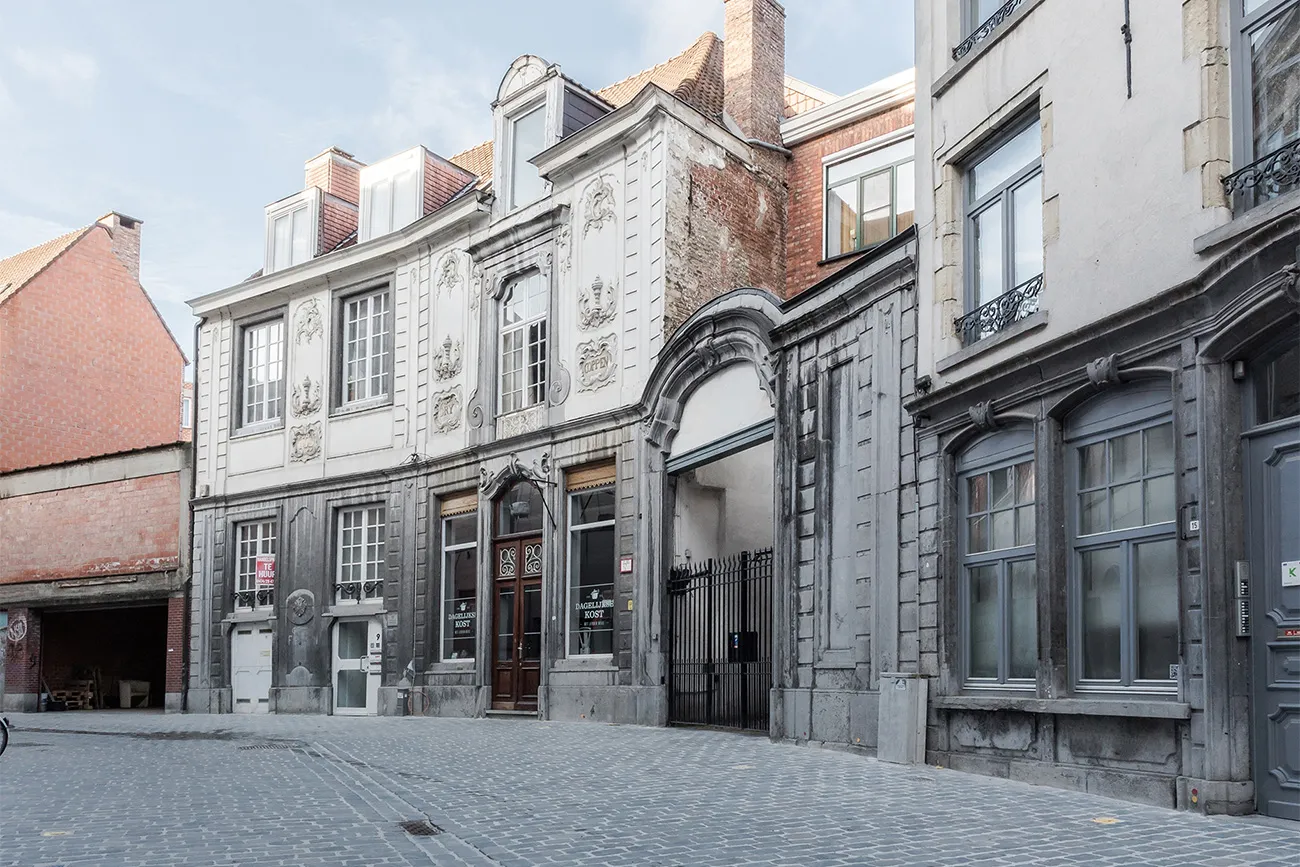
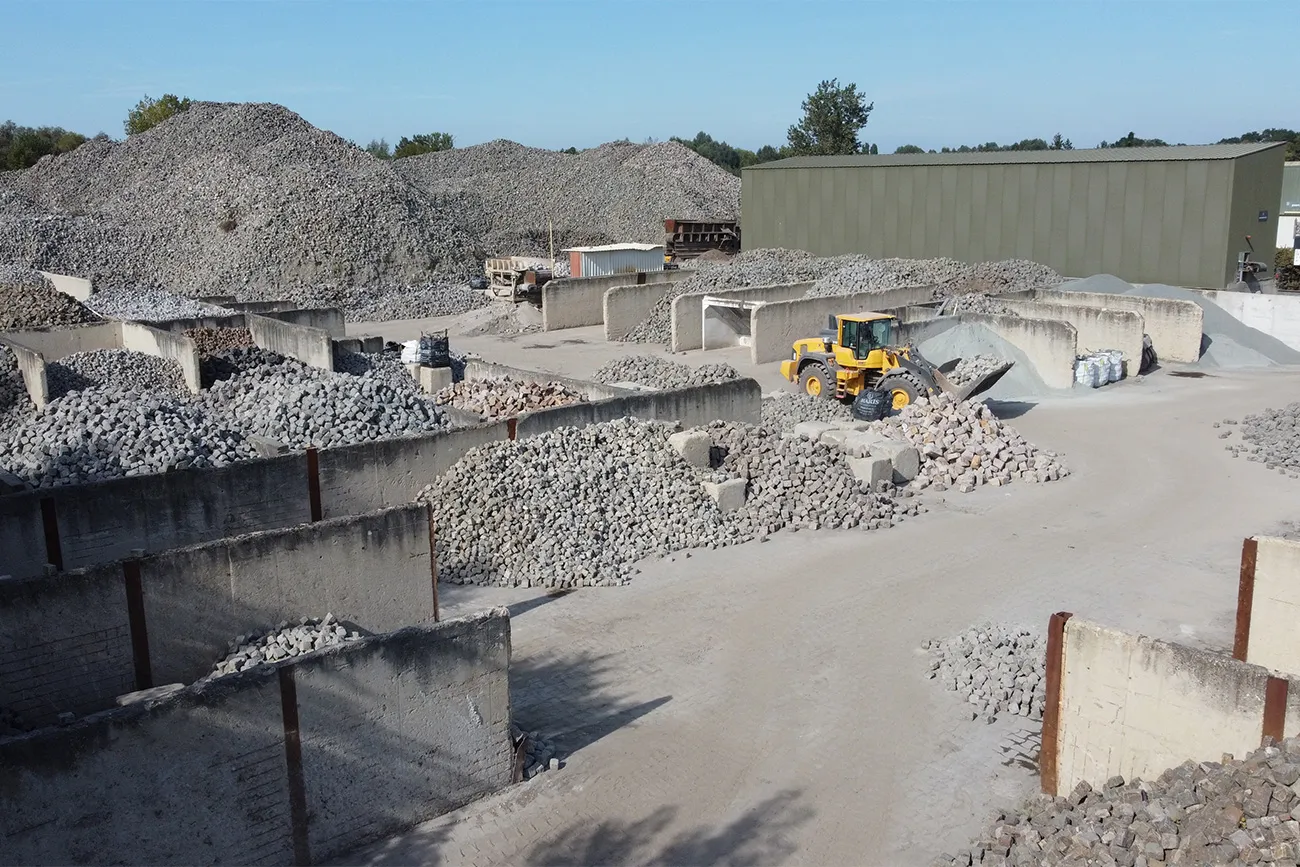
Peter Maris, managing director: “We are the market leader in the reclamation of old setts. Every year, we give tens of thousands of tonnes of setts that have already had a previous life a new purpose. We lift setts from various streets and squares in towns and cities across Belgium and Northern France. They are transported to our depot in Heist-op-den-Berg, where they are first cleaned. They are then sorted, sometimes more than once, and classified by geology (porphyry, sandstone, Swedish granite, etc.) and size. Once this has been done, they are ready to be reused, in their original form or otherwise, in new projects. These are all beautiful, high-quality materials that do not need to be quarried. The impact of quarrying on people, nature and the environment is therefore no longer a concern.”
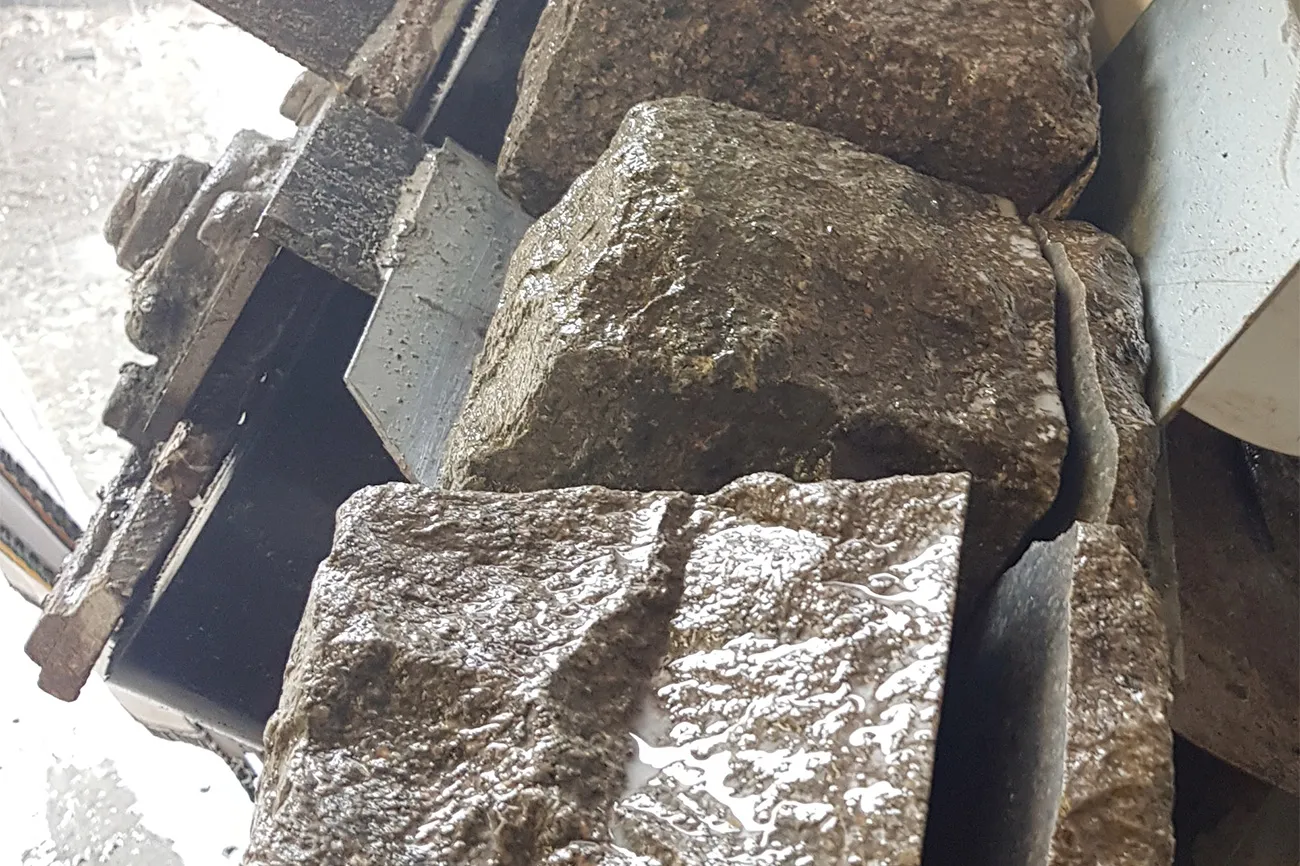
For a number of public works projects, the setts that have been lifted from a particular street or square are transported straight to our company, where they are cleaned, sorted and sawn. They are then reused in the same project, but with a more regular shape for a more comfortable application. This is a great example of corporate social responsibility.
The many applications of sawn setts
Alongside used setts in their original form, tens of thousands of tonnes of setts are also sawn. This means that they are either sawn in half or sawn across the top, with the upper layer removed. This produces three different types of sawn sett: the half-sawn sett, approximately 7 cm thick; the sawn-top sett, approximately 11 cm thick; and the ‘Old Belgian Cobble’, approximately 3 cm thick. In this way, Maris Natuursteen produces sawn setts that are laid with the flat side facing upwards, making them very easy to walk on and comfortable to cross with pushchairs, wheelchairs and bicycles.
Peter Maris: “The ‘Old Belgian Cobbles’, approximately 3 cm thick, are truly beautiful setts and ideal for terraces and paths. They can be laid with the original face upwards for an authentic ‘cobblestone look’, or with the sawn face upwards to create a comfortable, flat surface. These ‘thin’ sawn setts are also highly suitable for indoor applications and can be used for flooring as well as wall cladding. The ‘Old Belgian Cobbles’ are supplied on small pallets, shrink-wrapped. The half-sawn setts and sawn-top setts are supplied loose or in Bigbags.”
Nothing goes to waste
“Everything from the sawn setts is reused. It is either used for ongoing works or added to our stock, so that we can deliver as quickly as possible. All the soil produced during cleaning, unusable materials from the initial sorting, and all the compacted sludge produced by sawing and settling are taken to certified recycling companies. Nothing goes to waste,” concludes Peter Maris.
Question about this story? Ask your question
Keep following this
Get an email when a new story is published. No account needed.
- SubjectGeneral







