Certification with a focus on sustainability
Text Joaquim Dupont / Niels RouvroisImage COPRO / FEREDECO
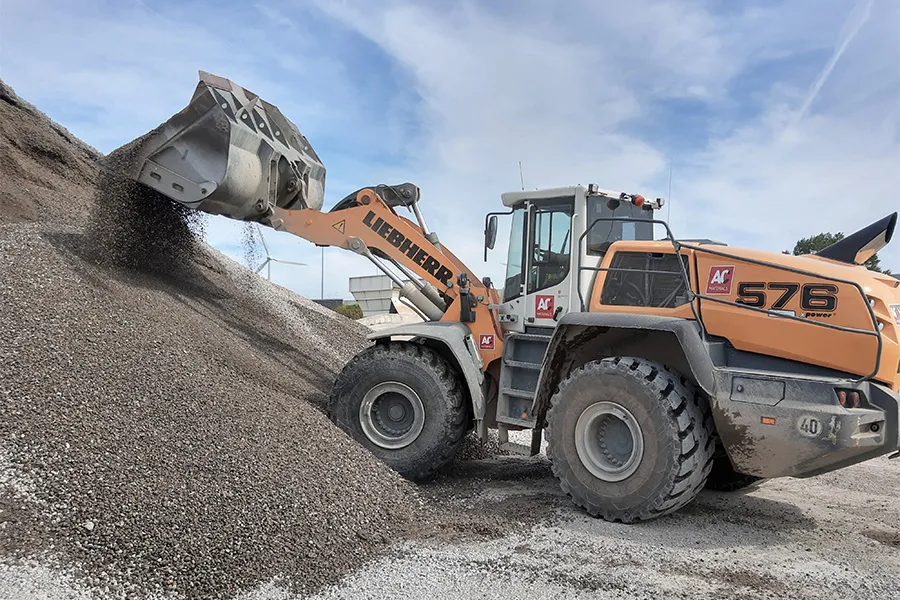
In 2008, the European Union highlighted the importance of proper waste management, as well as recovery and recycling techniques, to reduce pressure on raw materials and improve their use. In both Wallonia and Flanders, End of Waste status (EoW) has brought significant change in the field of secondary aggregates. “The objective is the same, but the approach in Flanders and Wallonia is different,” explains Robin Stockman, inspector and auditor at COPRO.
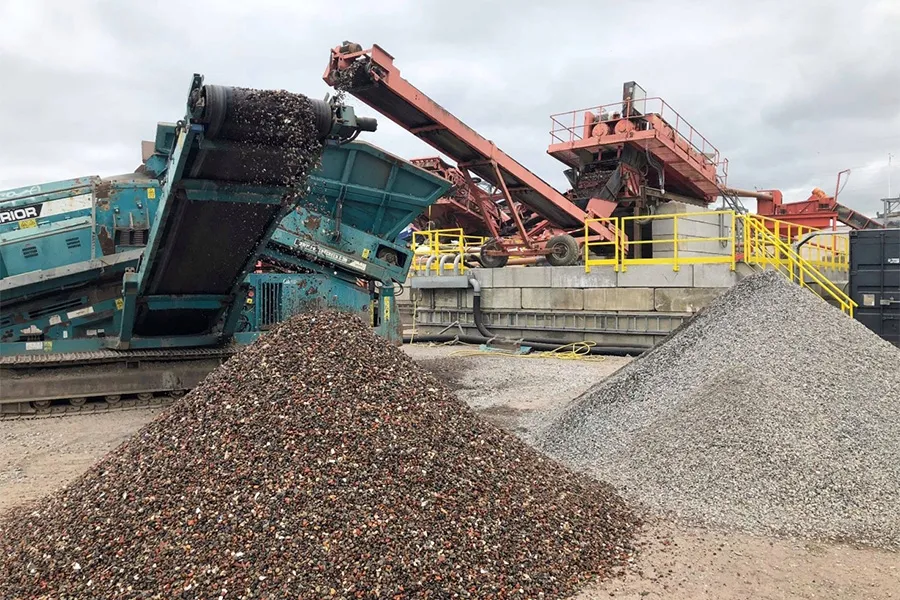
We speak of EoW when waste that has been recycled or recovered in another way is no longer considered waste under certain conditions. EoW status is a powerful argument for the success of the sustainable transition in the construction sector, because waste can now, under certain conditions, become a raw material that encourages sustainable practices and reuse. This new lease of life depends on 4 elements: use for specific purposes, the existence of a market or demand, compliance with technical requirements and the absence of harmful overall effects.
In line with EU directives, the Walloon government approved a decree in 2021, Sortie du Statut de Déchet (SSD), implementing the procedure for removing waste from landfill, including inert waste recovered as recycled aggregates. Since these aggregates are intended for reuse as construction products, they must meet a number of specific criteria. The decree provides for certification of an environmental quality system. To establish the certification procedure, the Walloon government set up a working group with the independent inspection and certification bodies for construction products COPRO and BE-CERT.
COPRO, BENOR and CE 2+
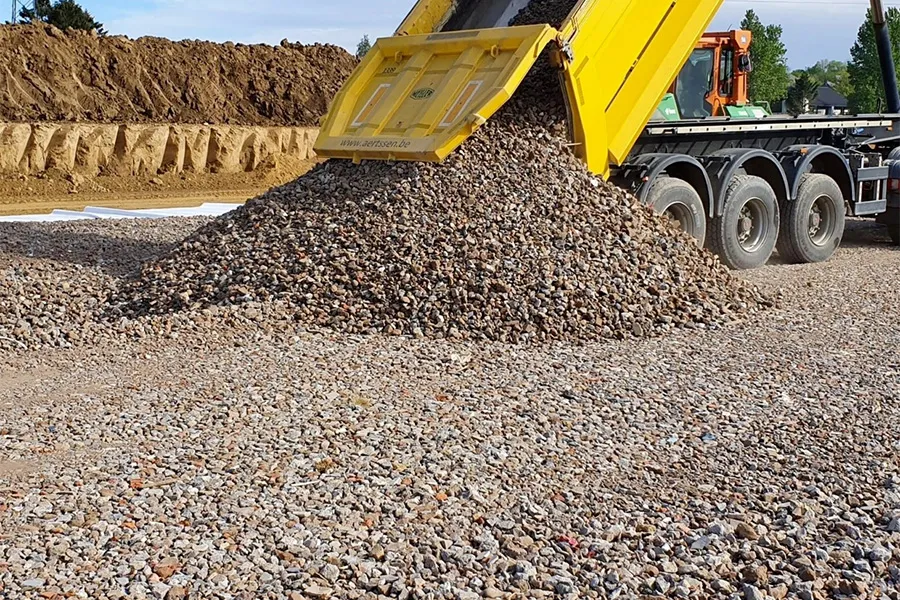
Robin Stockman: “The approach is the same as in Flanders: turning waste back into a raw material. But the method is different. The Flemish government gave certification bodies responsibility for both construction-related and environmental aspects. COPRO certification focuses on the environment, while BENOR certification is required for construction-related aspects. There is also the mandatory CE certificate, which indicates that the aggregate complies with the applicable rules within the European Economic Area. The situation in Wallonia is different. The Walloon government also turned to bodies such as COPRO and BE-CERT to certify the environmental quality system, but responsibility for the construction-related aspect, in accordance with CE2+ marking, remains with the producer.”
In Flanders, the COPRO certificate covers all environmental aspects. This includes checking for the possible presence of asbestos, heavy metals or mineral oils, the tar content of asphalt, physical contamination … The relevant requirements are set out in VLAREMA, which is administered by OVAM. The Benor certificate, in turn, ensures alignment with, among other things, the construction-related requirements set out in standard specification 250 for road construction. This specifies what an aggregate must meet to be used, for example, as sub-base or crushed-stone base. COPRO tests the aggregate against these requirements and then issues a BENOR certificate. In Wallonia, this responsibility still lies with the producer.
Tracimat
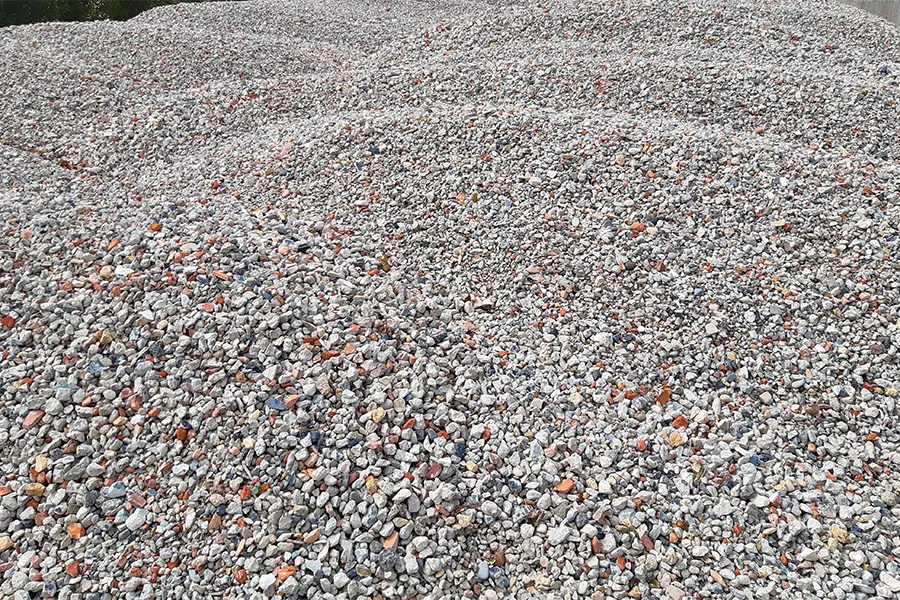
And that creates a fundamental difference between the two language regions. “Since the decree came into force in Wallonia, producers located on the language border or operating throughout Belgium have had to comply with two sets of legislation. This inevitably brings extra costs, especially now that new legislation is also in the pipeline in the Brussels-Capital Region. In Flanders, there is also the Tracimat system. For projects where a demolition follow-up plan is mandatory, a declaration of conformity and the traceability of demolition waste are also mandatory through the demolition management organisation Tracimat. The initial aim is to classify everything as low environmental risk (LMRP) by having an inventory drawn up at an early stage and separating waste streams. The system needs to remain workable for the sector, and a ‘workable framework’ for everyone is being considered,” concludes Robin Stockman.
Een zakelijke vraag aan Copro? Get in touch
Companies in this story
Keep following this
Get an email when a new story is published. No account needed.
- ThemeMaterials with a lower environmental impact
- SubjectMachines & equipment
- CompanyCopro
- CompanyOVAM