









Key tips for durable waterproofing with liquid membranes
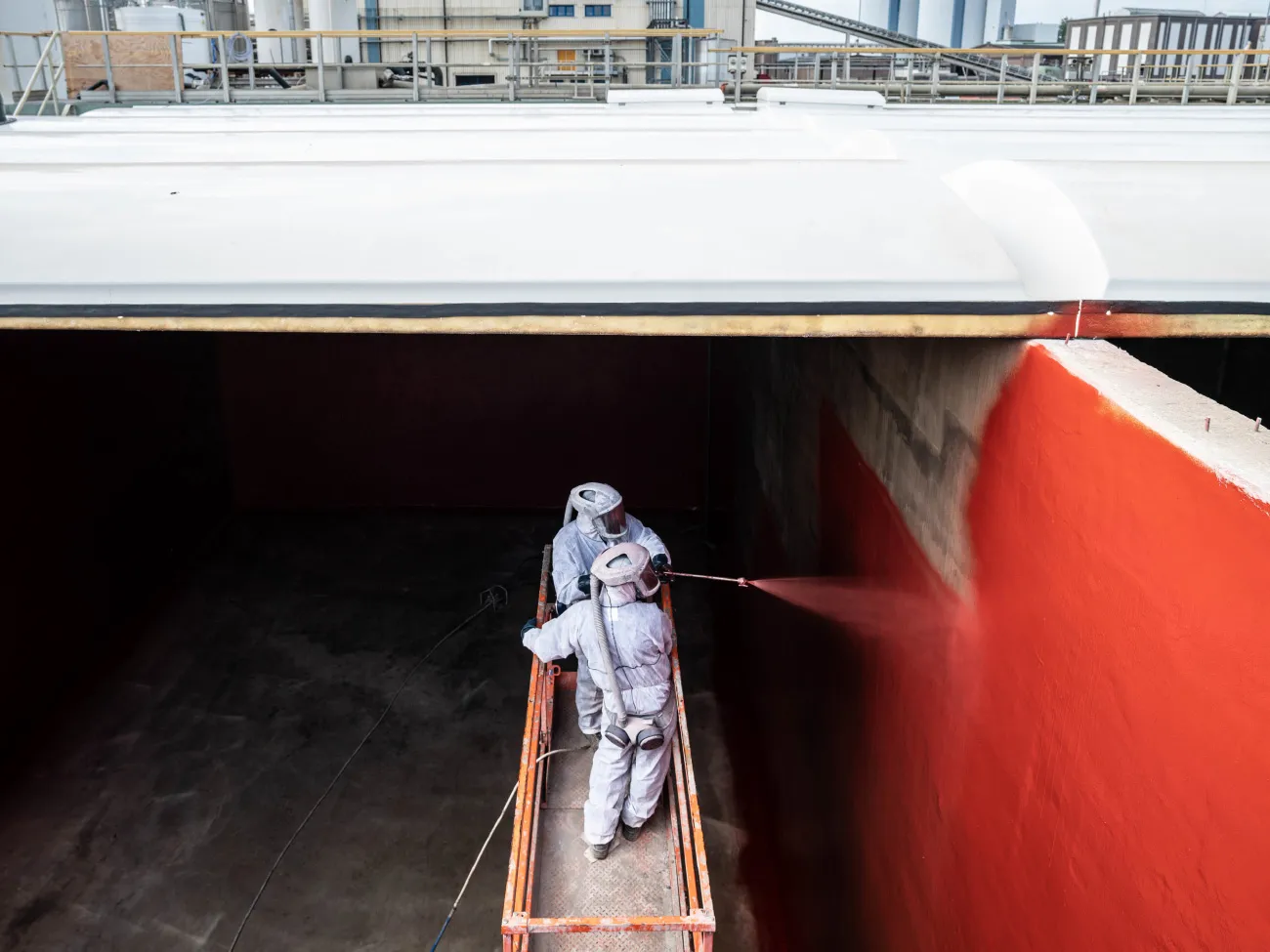
The versatility of liquid membranes makes them suitable for waterproofing all types of structures. From roofs and basements, including car parks, to industrial facilities and infrastructure such as bridges, dams and water treatment plants.
Liquid membranes form a fully bonded, seamless waterproofing layer, eliminating the welded joints and seams that are typically the weakest points in any waterproofing system. The technology’s true benefits only become clear once it has been professionally installed. Here are some key tips from waterproofing experts to maximise performance, keep costs down and ensure customer satisfaction.
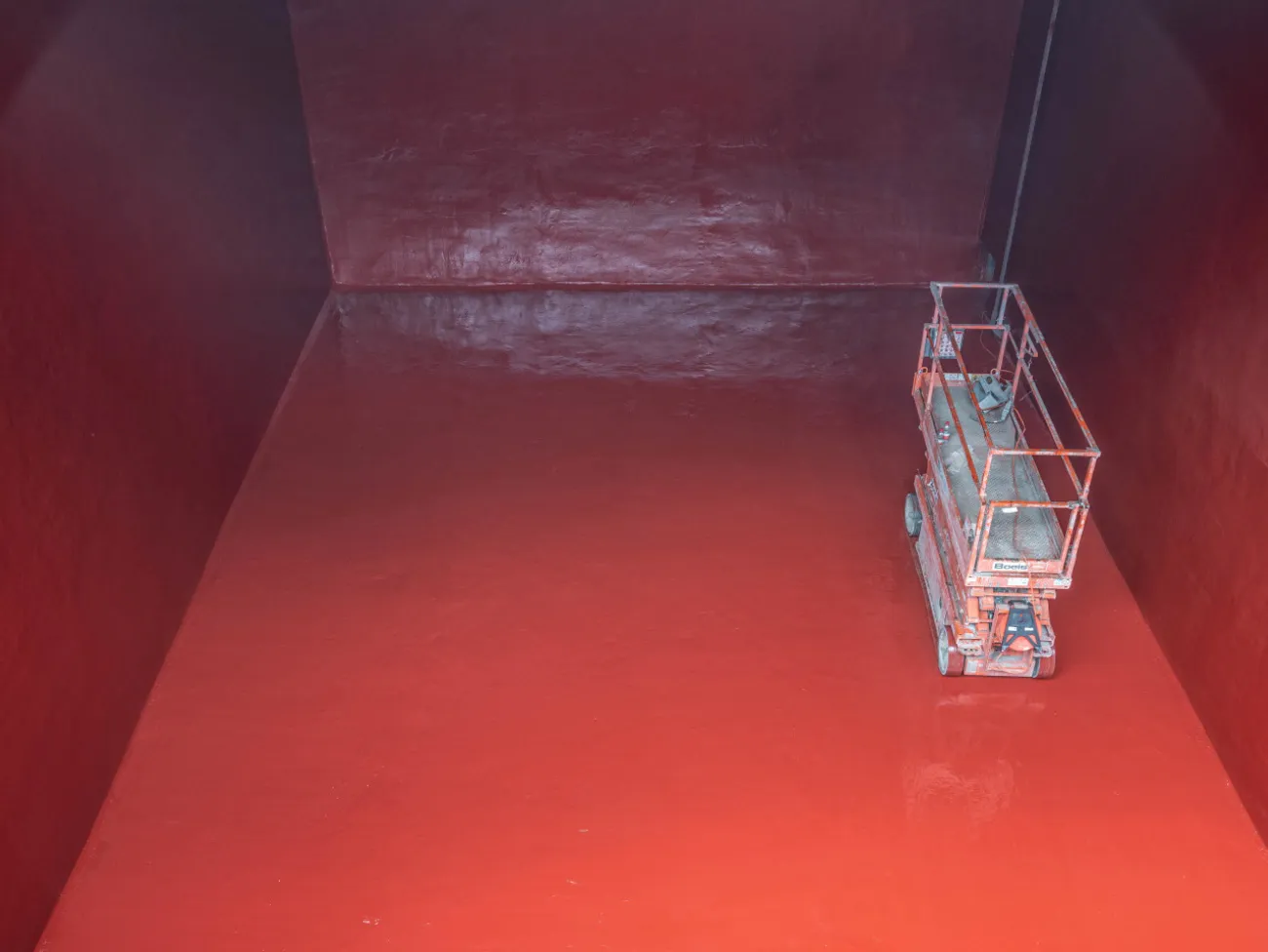
Prepare the substrate properly
Liquid membranes must be fully bonded to the substrate to which they are applied. Their performance depends on the quality of the bond, as they are not designed for unbonded systems or applications. The benefit of full adhesion is that these systems prevent water from circulating between layers, even if the membrane is damaged, helping to detect, locate and repair potential leaks. This makes it essential to take the utmost care when preparing the substrate for membrane application. Clean the surface and remove anything that could hinder adhesion or, worse still, create a ‘false’ bond. It is also important to note that each product has specific requirements regarding residual moisture in concrete substrates.
Always use a primer
A primer is designed to improve adhesion. Although most liquid membranes do not require a primer to achieve good adhesion to concrete, we still recommend using one. Primers also serve other important functions, such as reducing the risk of air bubbles from the substrate entering the membrane. They also provide a uniform surface for applying the membrane, remove residual dust from concrete substrates and play a crucial role in reducing the risk of debonding and blistering. Resin-based membranes often require products specifically formulated for use as primers.
Choose membranes with crack-bridging properties
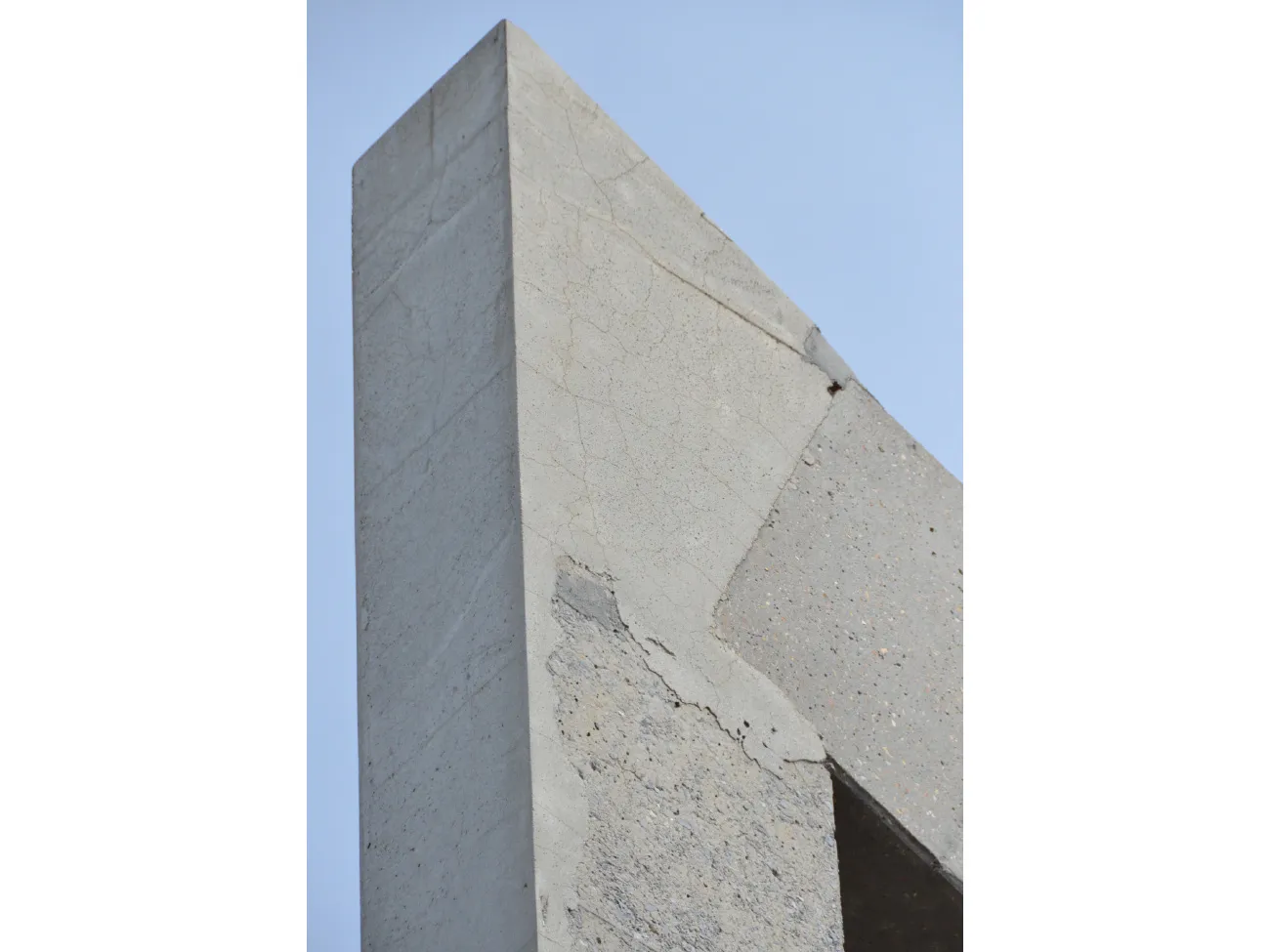
The reason is simple: liquid membranes are fully bonded to the substrate, so any movement in the substrate affects the membrane. A rigid waterproofing system will reflect any cracks in the substrate, whereas an elastic, crack-bridging membrane will maintain its continuity, even when unexpected cracks occur. Another benefit is protection: the crack-bridging properties of coatings and membranes applied to concrete surfaces help protect against water ingress and aggressive chemicals.
Do not skimp on the application rate
There are several reasons why the membrane thickness recommended by the manufacturer must be adhered to. First, elastic membranes bridge unexpected cracks by deforming and stretching, which reduces their thickness. An insufficient thickness will therefore compromise the continuity of the membrane. Second, substrates such as concrete are never perfectly even, so unless extensive substrate preparation is carried out, a membrane that is too thin may not cover all surface irregularities. Third, a protective membrane acts as a barrier against water, aggressive chemicals and gases.
The devil is in the detail
Joints, cracks, fixings, connections and many other details are where the risk of waterproofing failure is greatest. Although liquid membranes offer a straightforward solution for detailing compared with prefabricated sheets, this does not mean that these details require no special attention. Anchor bases, mechanical fixings and rooftop equipment may have different configurations, but they can all be covered by a continuous layer of the liquid-applied waterproofing system. Finally, corners with sharp edges, as well as internal floor-to-floor or wall-to-wall corners, should be smoothed and rounded to prevent stress concentrations when different elements move.
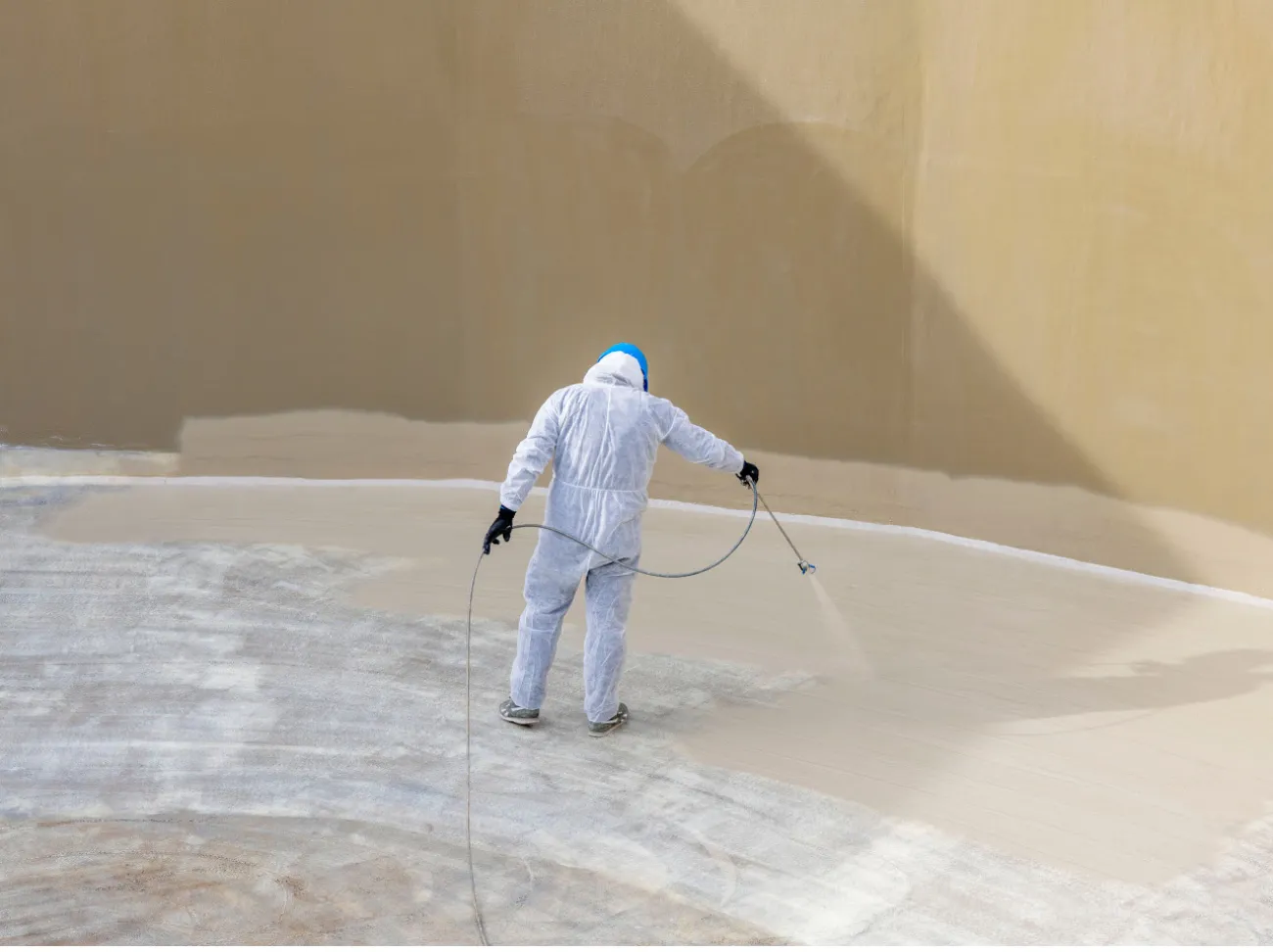
Treat all moving joints
Joints are necessary in concrete structures for various reasons. Small movements in the concrete that could lead to cracking can be accommodated by elastic or crack-bridging membranes. However, structural movements can vary: depending on daily and seasonal variations in temperature or sunlight, or functional or structural changes in different elements of a concrete structure, crack-bridging membranes may not be sufficient. In such cases, movement joints must be treated with a suitable seal, such as an elastic mastic or tape.
Consider the additional benefits
The basic function of a waterproofing membrane is to form a barrier against liquid water, preventing it from passing from one side of the structure to the other. Provided all the points above have been carefully considered, all membranes will do this. No membrane is less than 100 % impermeable. Depending on the application, additional requirements may apply to the waterproofing system. Last but not least, waterproofing membranes also contribute to sustainability by limiting the environmental impact and economic costs of structures.
Question about this story? Ask your question
Keep following this
Get an email when a new story is published. No account needed.
- SubjectGeneral







