









How the Dender shapes Geraardsbergen’s green policy
“The power of proximity”
Geraardsbergen, a sprawling city in the Flemish Ardennes, has made its name not only with mattentaarten and the Muur, but also with its rich woodland, steep slopes and blue artery. “A wonderful combination, but a challenging one too,” says Stephan De Prez, alderman for the environment.
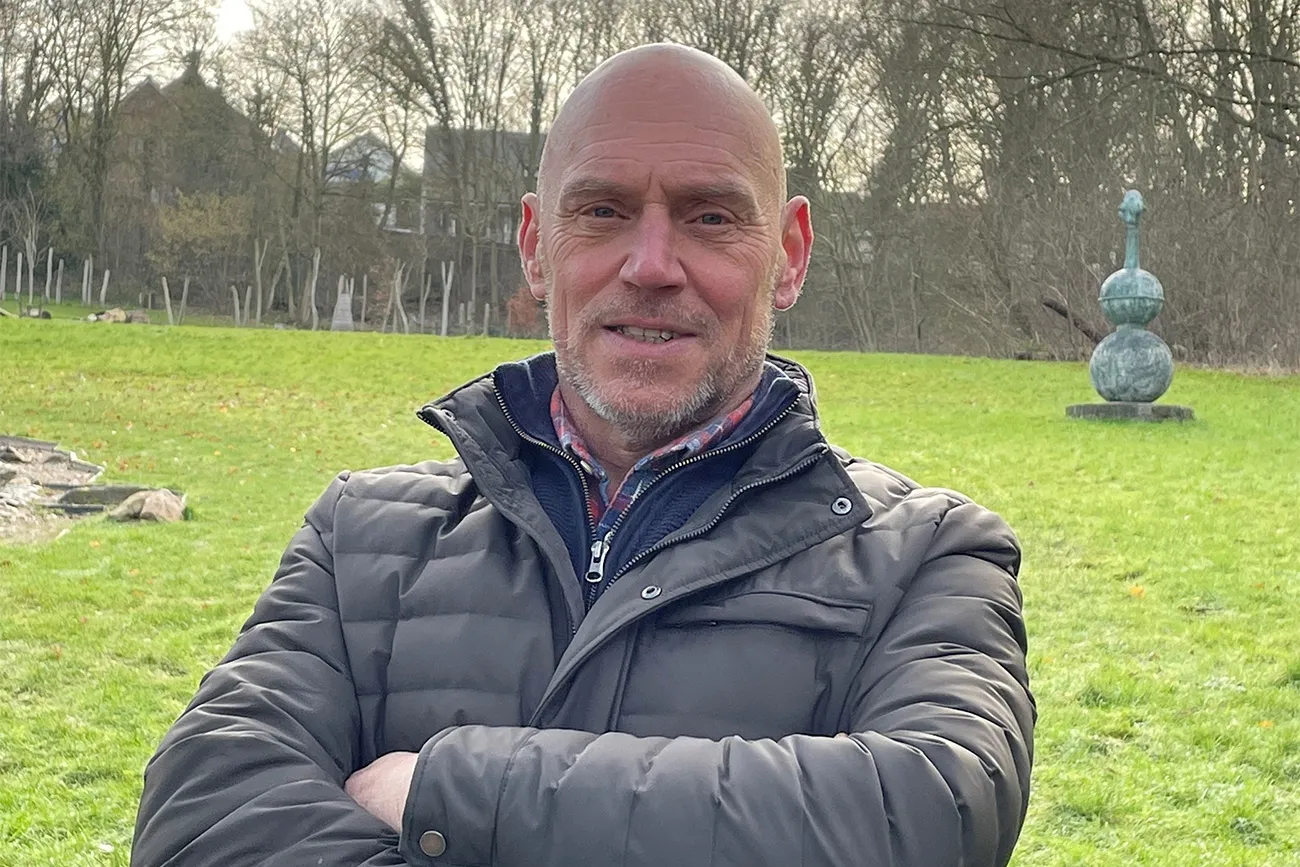
As the grandson and son-in-law of farmers, and a former part-time gardener, Stephan De Prez was perhaps a natural choice to take on responsibilities including the environment, sustainability and sport early last year. “What is also good is that the environment is a very cross-cutting area of responsibility,” he says. “It overlaps significantly with my own areas of responsibility, and also involves close cooperation with public works, mobility, urban development and so on. It is so present in society, even more so since the pandemic, that it has an impact on almost everything.”
Green slopes
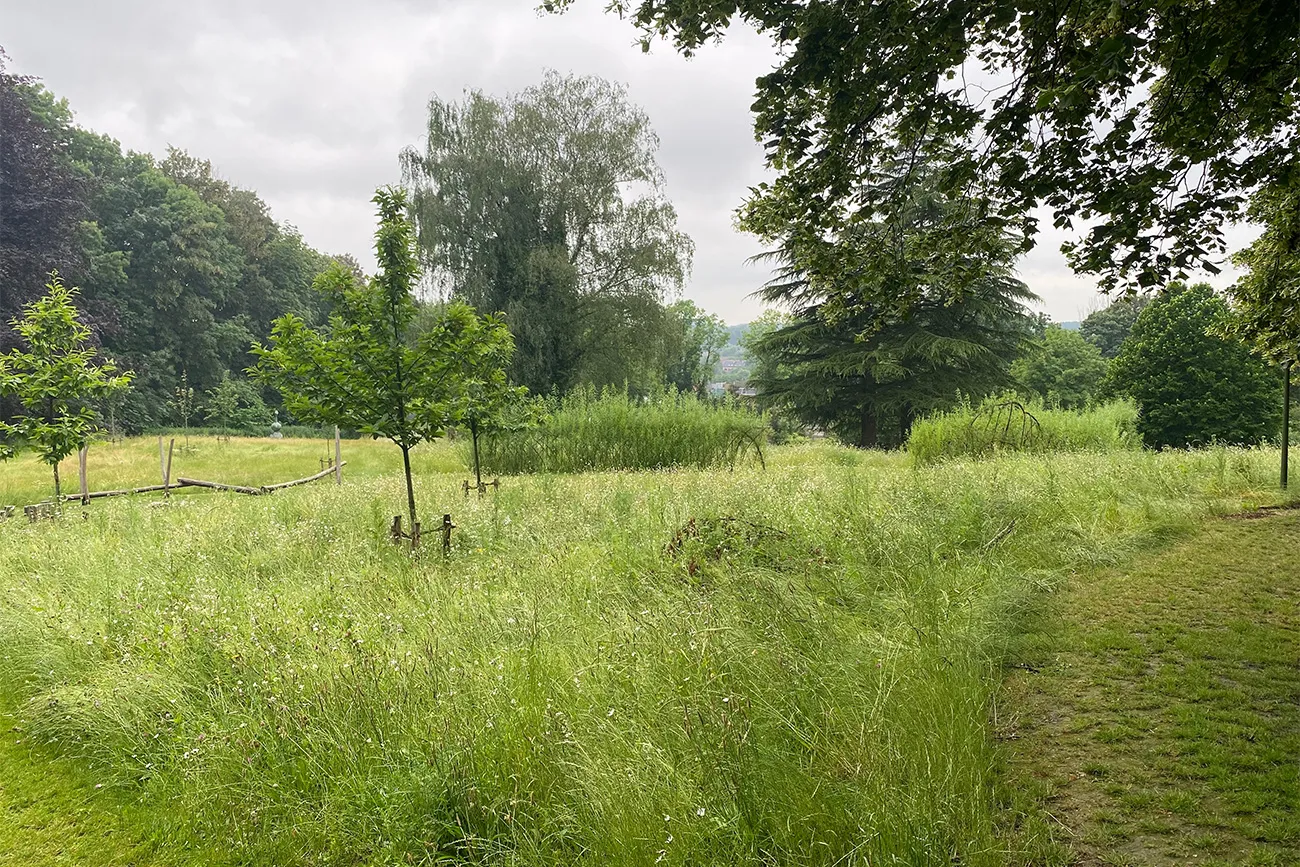
The fact that around 1,500 hectares, or 18% of Geraardsbergen’s total area, is designated as ‘green’ underlines this interconnection. “In addition to 48,000 m2 of roadside verges, this mainly includes nature reserves, woodland, historic parks and, for example, the provincial De Gavers estate. Most of these areas are spread across the city and its districts, but there is also plenty of nature within the city itself, particularly on the south-eastern slopes of the Dender. The 2023-2047 nature management plan for the area was recently approved.”
The nature management plan has three main priorities: social, ecological and economic. It provides, among other things, for the development of recreational facilities in certain areas. The Abdijpark already has several play and picnic areas, while a play forest and a technical mountain-bike trail are planned in the woods around Guilleminlaan. The plan also aims to strengthen existing nature values, many of them historic.
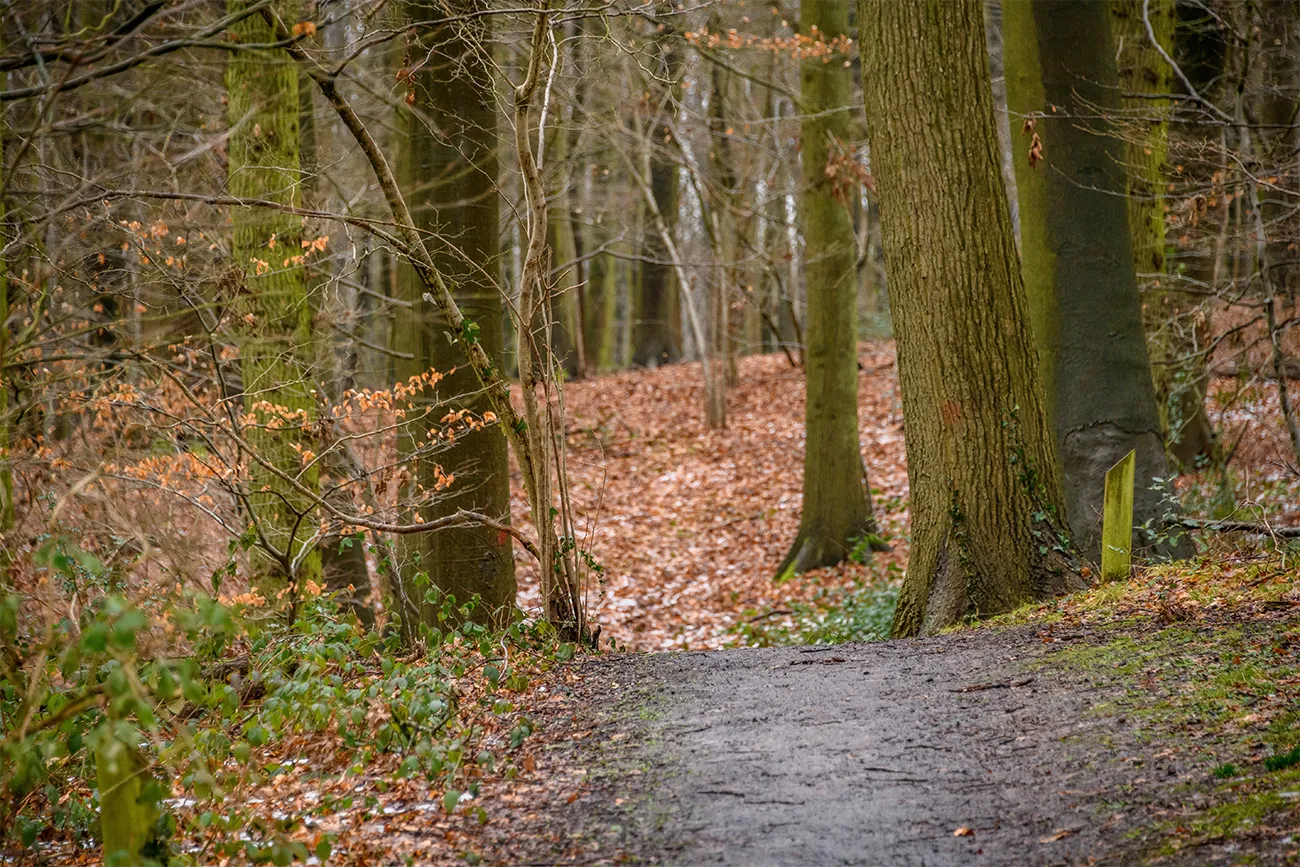
Stephan De Prez: “The combination of steep slopes, loamy soil and, above a certain elevation, sandy soil creates very specific vegetation. Boelarebos, for example, is a very old woodland with valuable beech trees, while Arduinbos is home mainly to large, mature pedunculate oaks. To tackle erosion on the slopes and support biodiversity, we want to protect these areas as much as possible, including by removing invasive species such as Corsican pine.”
Valuable grasslands
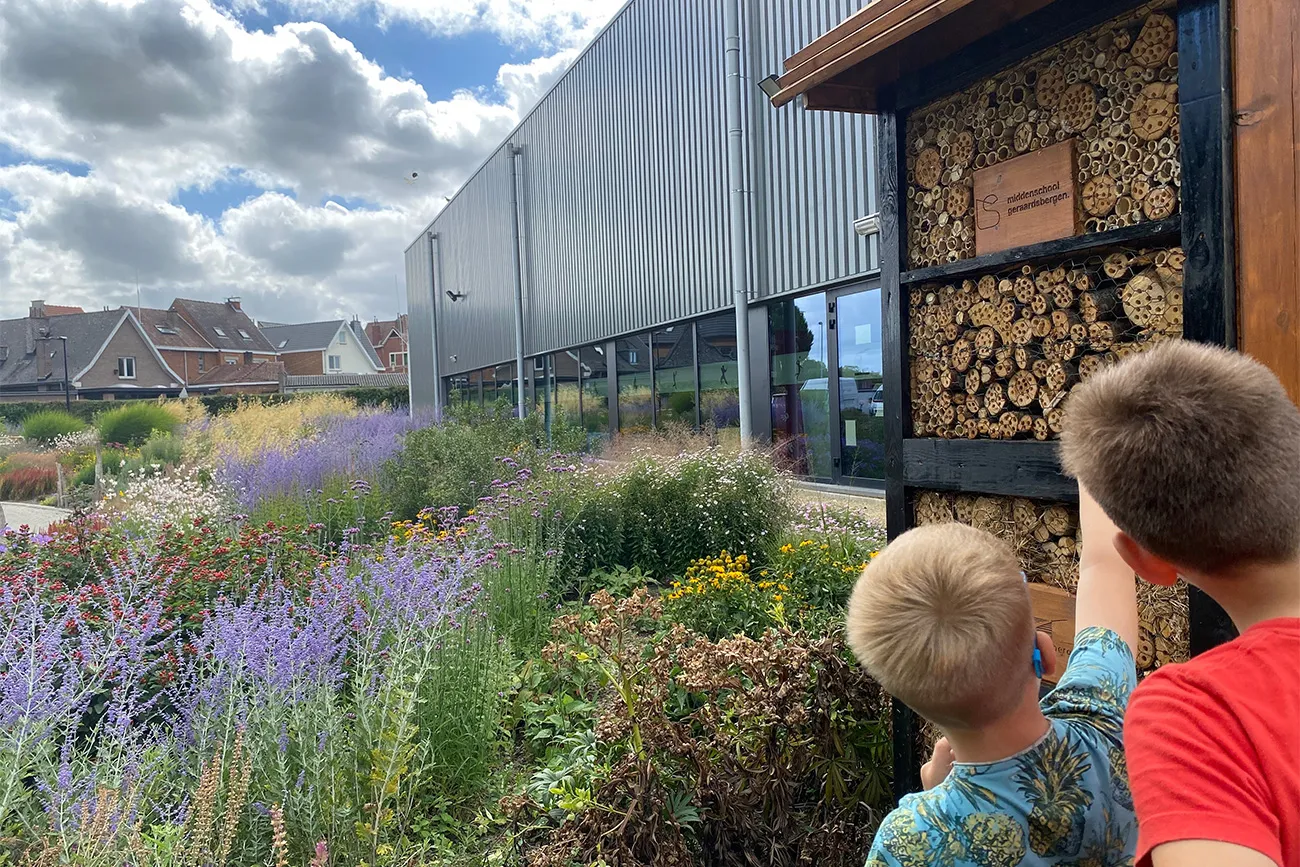
The Oudenberg site, which is also covered by the nature management plan, is characterised by valuable grasslands, including dry heath grassland and species-rich scrub grassland with several characteristic species and more than nine species of waxcap. “They not only shape the characteristic landscapes of the Flemish Ardennes, but are also key to limiting erosion on the slopes,” says Stephan De Prez. “However, the nitrogen issue is putting them under increasing pressure. That is why we are trying to involve farmers as much as possible in the erosion plan. And of course, we are committed to extensive mowing management here. As across the rest of our estate, we do not mow before June.”
Flood-prone area
Geraardsbergen has also experienced the fact that the Dender’s blue-green network is not an unalloyed blessing. In the winter of 2010-2011, the entire Dender valley was under water, with all the consequences that entailed. Stephan De Prez: “Because the slopes and soil structure increase the risk of flooding, the actions mentioned above are also necessary in this context. But of course, we also need to do much more to manage water. To that end, the strategic plan Ruimte voor Water, part of T.OP Dender, was launched with the province, De Vlaamse Waterweg and the Department of Environment. It was a particularly difficult exercise, so we will have to wait a while yet for major interventions, such as the renovation of the nineteenth-century lock complex.”
“In the meantime, we are continuing to take action locally. Buffer and retention basins have already been installed on several tributaries of the Dender, and we are continuing to focus on infiltration and depaving. We are prepared to go quite far, with plans to depave several village squares completely and redesign them with greenery, wadis and more. This will help us tackle both water management and heat in town centres,” concludes Stephan De Prez.
Question about this story? Ask your question
Keep following this
Get an email when a new story is published. No account needed.
- SubjectGeneral







