









Functional greenery can make the built environment more sustainable
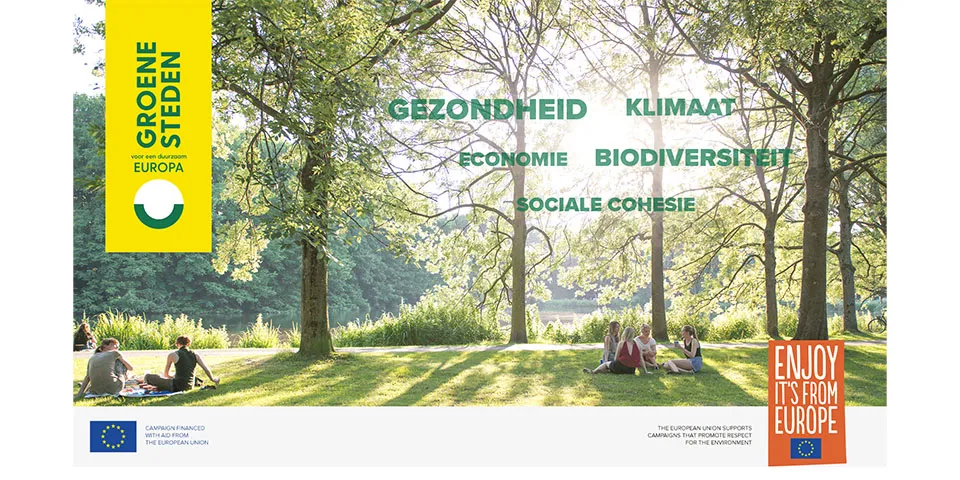
Whether you are a builder, developer, architect, policymaker or property owner, everyone should consider using functional greenery in and around buildings. Green urban development should become the norm. To help drive this forward, local authorities should make functional greenery a standard requirement in tender specifications and construction projects.
Green architecture is nothing new. Roof gardens and green façades have been installed on buildings for decades, initially by people with an affinity for greenery. The number of people who recognise the importance of greenery in the built environment is gradually growing. This is because the benefits of greenery are now being brought to the fore more explicitly: it adds value for people, nature, the climate and the economy.
To accelerate the scaling-up of greenery in urban practice, researcher in Green Cities Dr Robbert Snep of Wageningen University & Research (WUR) believes it is high time to shift the focus from decorative greenery to functional greenery.
COMPELLING REASONS TO GO GREEN
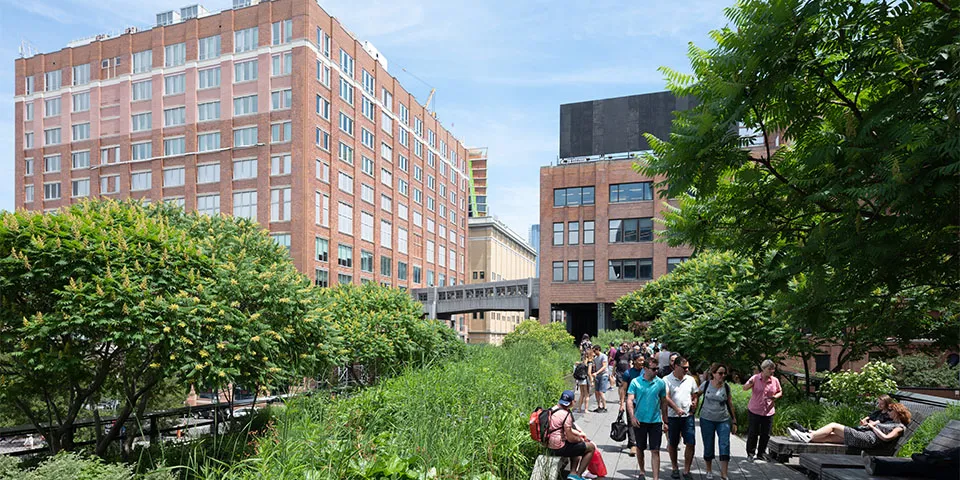
“If we want green, liveable cities, we will not get there with talk that only appeals to the green vanguard. We need to reach the large middle group, which is more sceptical about using greenery in urban development and needs convincing with sound arguments,” says Snep. “Fortunately, there are plenty of arguments. Greenery can help reduce noise pollution, create an attractive business climate or save energy. A green roof, for example, increases the efficiency of solar panels and dampens ambient noise. Green architecture also adds value in terms of health, climate adaptation and biodiversity conservation.” The researcher advocates an approach that showcases all the functions of greenery. “The next question is: ‘What conditions must the greenery meet to deliver these benefits?’ For example, if the aim is for a roof garden to contribute to people’s health, it must be designed accordingly. The roof must be accessible, people must be able to spend time there, enjoy the peace and quiet and perhaps exercise.
Snep: “My message to governments and developers is: whenever you build, always consider that greenery can add value to several objectives at the same time. And make it a requirement in the specifications for a building or area development that the greenery to be installed must have a proven function.”
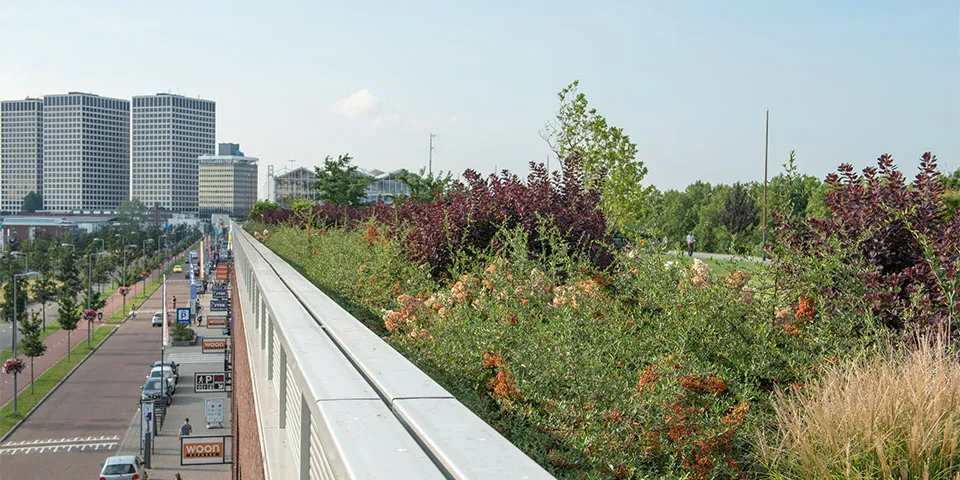
The scientist refers to the recently published guide ‘Het Levende Gebouw’, produced by the trade association for gardeners and green-space professionals (VHG). It describes 400 completed practical examples of living, green buildings, based on scientific research and user experience. The guide is intended for project developers, clients, government bodies, (landscape) architects and green-space professionals. It was developed to ensure that opportunities for green solutions are considered early in project discussions.
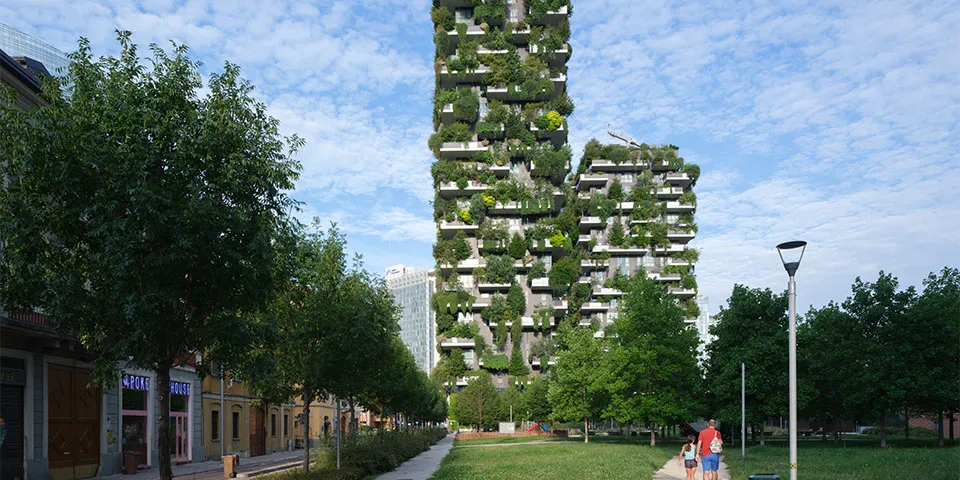
In the coming years, up to 2024, Robbert Snep will serve as project leader for ‘Succesvol implementeren groene stadsontwikkeling’. Eleven medium-sized and large cities, nine trade associations for urban development and urban greenery, Staatsbosbeheer and architectural practices are working with WUR on the successful implementation of green (municipal) policy in practice. “In practice, there is certainly a willingness to make cities greener, but functional greenery does not receive enough attention during the successive stages of planning. Construction professionals, urban planners, architects, project developers and policymakers are used to thinking of greenery as decoration rather than as a functional element of a project plan. Our project aims to advise them on how to do this better. Together, we will develop practical tools to help urban professionals use functional greenery effectively to create liveable, climate-resilient, nature-inclusive and healthy cities.”
For more information about greenery in public spaces, visit nl.thegreencity.eu.
Question about this story? Ask your question
Keep following this
Get an email when a new story is published. No account needed.
- SubjectGeneral







