









From soil to gold: circular use of infrastructure materials
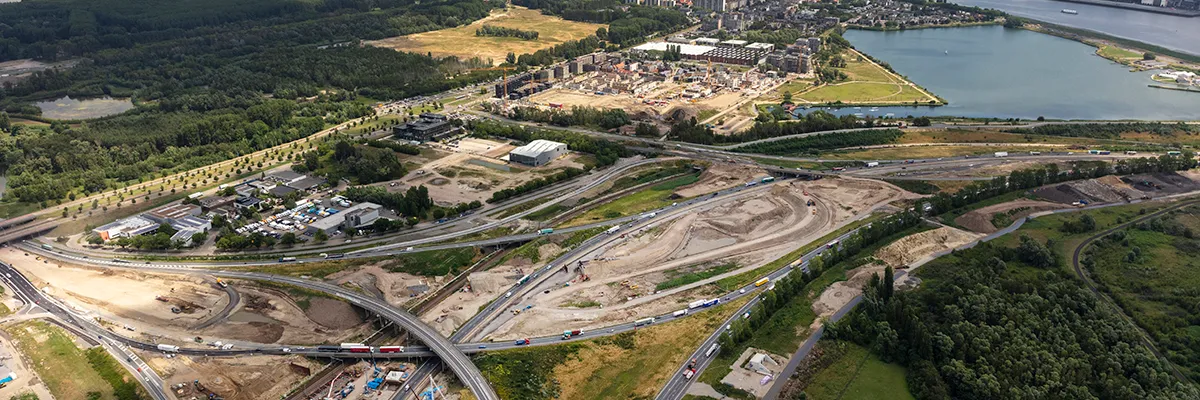
The ground beneath our feet is priceless, a value that only becomes apparent when we reuse it, concludes Sweco’s new Urban Insight report, ‘Circular materials in infrastructure’, which focuses on circularity in infrastructure materials.
The European aggregates sector is currently only 7 per cent circular, but according to the European Aggregates Association, 20 per cent is achievable. In its new Urban Insight report, Sweco shows that reaching this figure could cut the cost of new materials by up to €6 billion, equivalent to saving 546 million tonnes a year. That is almost the same amount as Germany produces annually.
“Aggregates are an important resource. Taking a circular approach can deliver significant environmental, financial and social improvements compared with current practices. Even small improvements can lead to major savings, given the large volumes involved,” says Karin Larsson, Team Manager, Waste and Resource Management.
In this report, Sweco examines two ongoing European railway construction projects and how circular measures can reduce emissions and costs. On projects of this scale, even a 1 per cent reduction in transport would have a huge positive impact. For a major railway project in Europe, this could reduce the distance travelled to transport aggregates by 347,000 km, saving €3.2 million and 1,500 tonnes of CO2.
To accelerate this transition, Sweco has drawn up an action list to drive progress in:
- regulations and guidelines, procurement and specifications;
- collaboration, data use and digital tools;
- financial instruments and incentives, and planning.
Work on the Oosterweelverbinding in Belgium is already taking a step in the right direction. For the first time, BIM and a track&trace system are being used to gain greater control over the extraction and use of soil during excavation. This allows us to optimise its reuse and transport, while also making it easier to meet the reporting and administrative requirements imposed by legislation. This helps limit the environmental and financial impact of earthworks and improve efficiency.
This is Sweco’s third Urban Insight report on circularity. In this series, experts put forward specific ideas, solutions and scientific findings needed to plan and design safe, resilient cities for the future.
Question about this story? Ask your question
Keep following this
Get an email when a new story is published. No account needed.
- SubjectGeneral







