









Fibres as sustainable concrete reinforcement
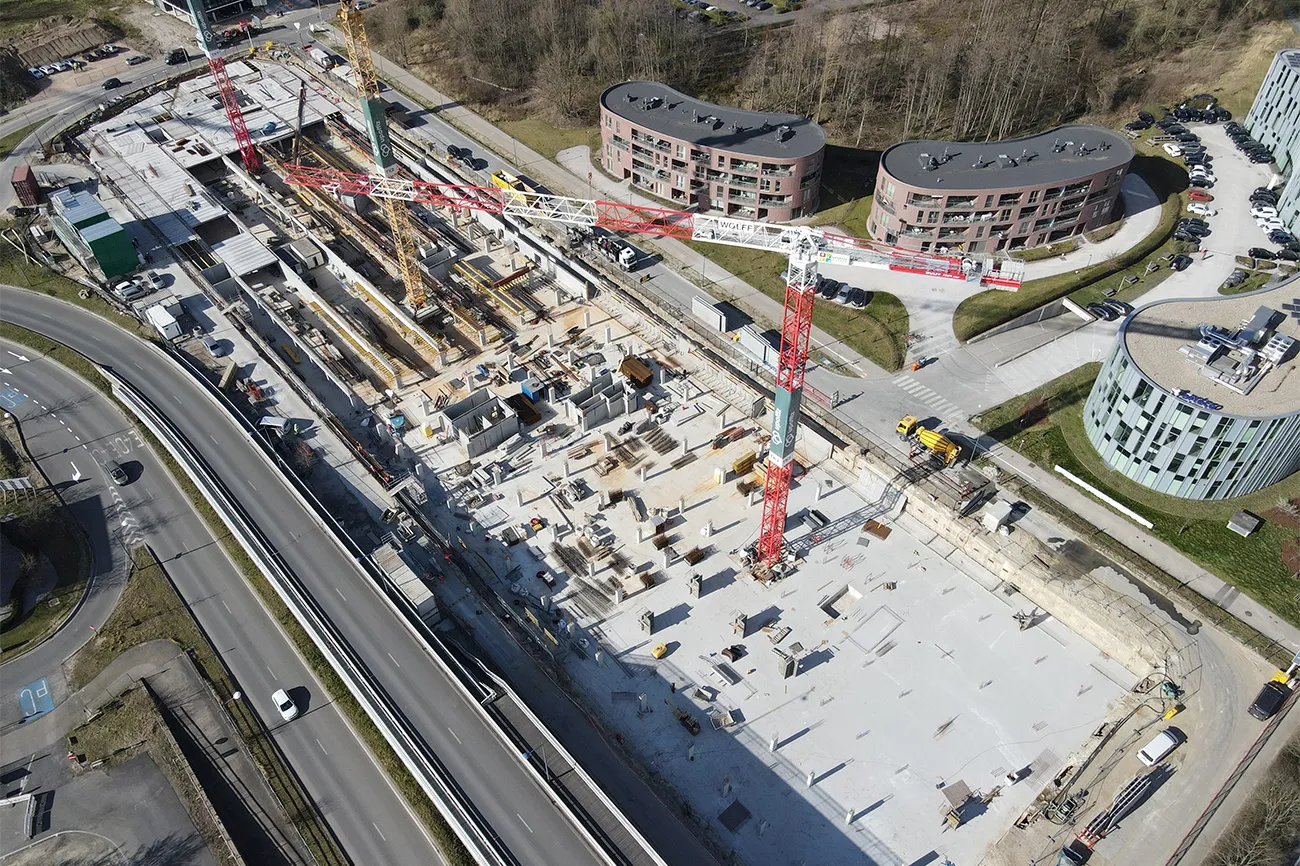
As a developer and producer of high-performance fibres for reinforcing ready-mixed concrete, sprayed concrete and precast elements, Adfil is the world leader in its field. Durus EasyFinish (ATG-certified since 2018), the company’s macro-synthetic fibres from Zele, are increasingly being used as a sustainable, rust-free alternative to and/or complement to steel reinforcement.
‘Durus EasyFinish’ fibres can play an important role in the sustainability of any construction project. The fibres often provide a more environmentally friendly and more economical alternative. Their positive impact on the CO2 footprint of concrete structures is also demonstrated by the EPD (Environmental Product Declaration) certification Adfil has held since early 2020. And there are many other reasons to consider switching to fibres …
Price of reinforcing steel up by 50%
Tom Winters, CEO of Adfil: “Construction sites are grappling with a severe steel shortage and soaring prices. Due to well-known circumstances, the price of reinforcing steel has risen by around 50%. As a result, synthetic fibres for reinforcing concrete are increasingly on everyone’s radar. It has to be said, our phone is regularly ringing off the hook, with concrete plants, architects and contractors at the other end of the line. This is no coincidence, of course. We make synthetic fibres (small pieces) to reinforce concrete, as an alternative to conventional steel. And in the current climate, that sounds like a very viable alternative!”
An alternative to reinforced concrete
Jeroen Smet, Technical Sales Director at Adfil: “We can’t imagine a world without steel-reinforced concrete. Almost all high-rise buildings, bridges, dams, factories and other impressive structures are built from reinforced concrete. The global cement market was worth several hundred billion and accounted for literally countless jobs. So there was never much appetite for investing in innovation and other improvements.”
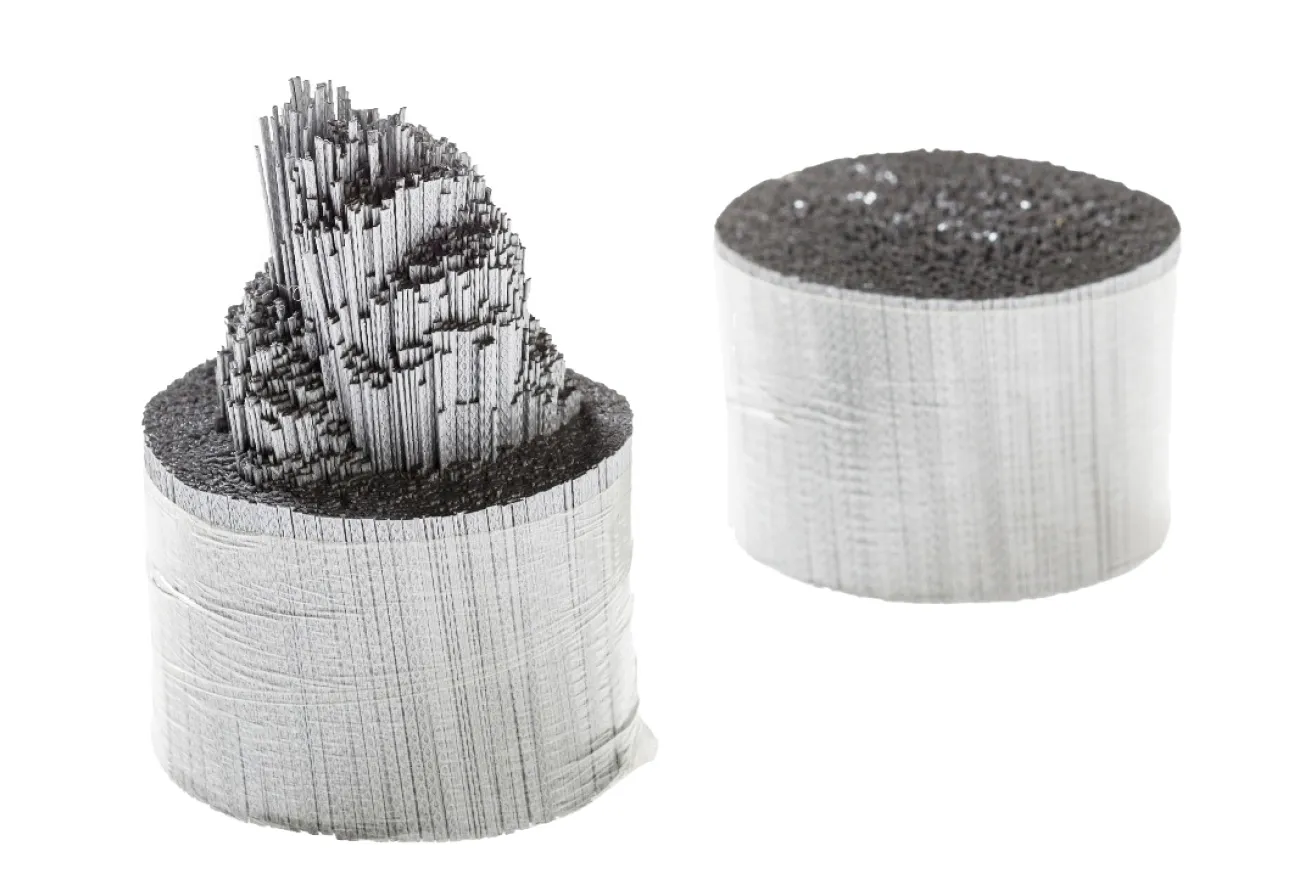
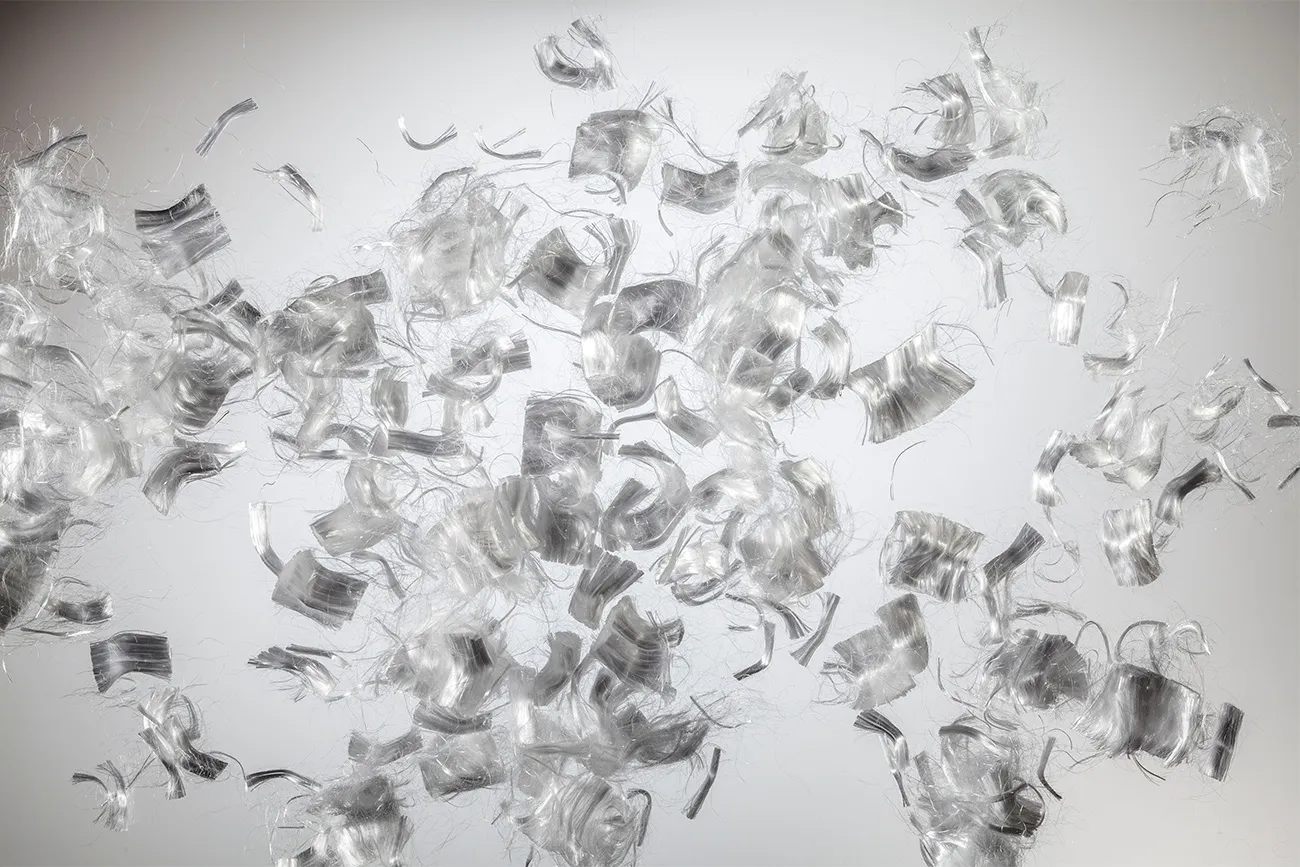
“That has changed now. All kinds of alternatives are gaining ground to address the severe labour shortage and the need to build more sustainably. Reinforcing concrete with synthetic fibres is one of them. These fibres are small pieces no more than a few centimetres long and can be made from a variety of raw materials. The first buildings made from concrete reinforced with carbon fibres have now been completed.”
Time savings and faster construction
Adfil is one of the companies leading the charge in the emerging ‘concrete fibre’ market. Adfil makes fibres from polypropylene, the material also used to make plastic packaging, car parts and carpet backing. “We are constantly working to improve the composition and shape of the fibres,” says Jeroen Smet. “By fine-tuning the fibres, we improve their properties and need fewer and fewer of them to strengthen the concrete. In 2005, you would quickly need 10 kilograms per cubic metre of concrete. Now it’s just under 3 kilograms.”
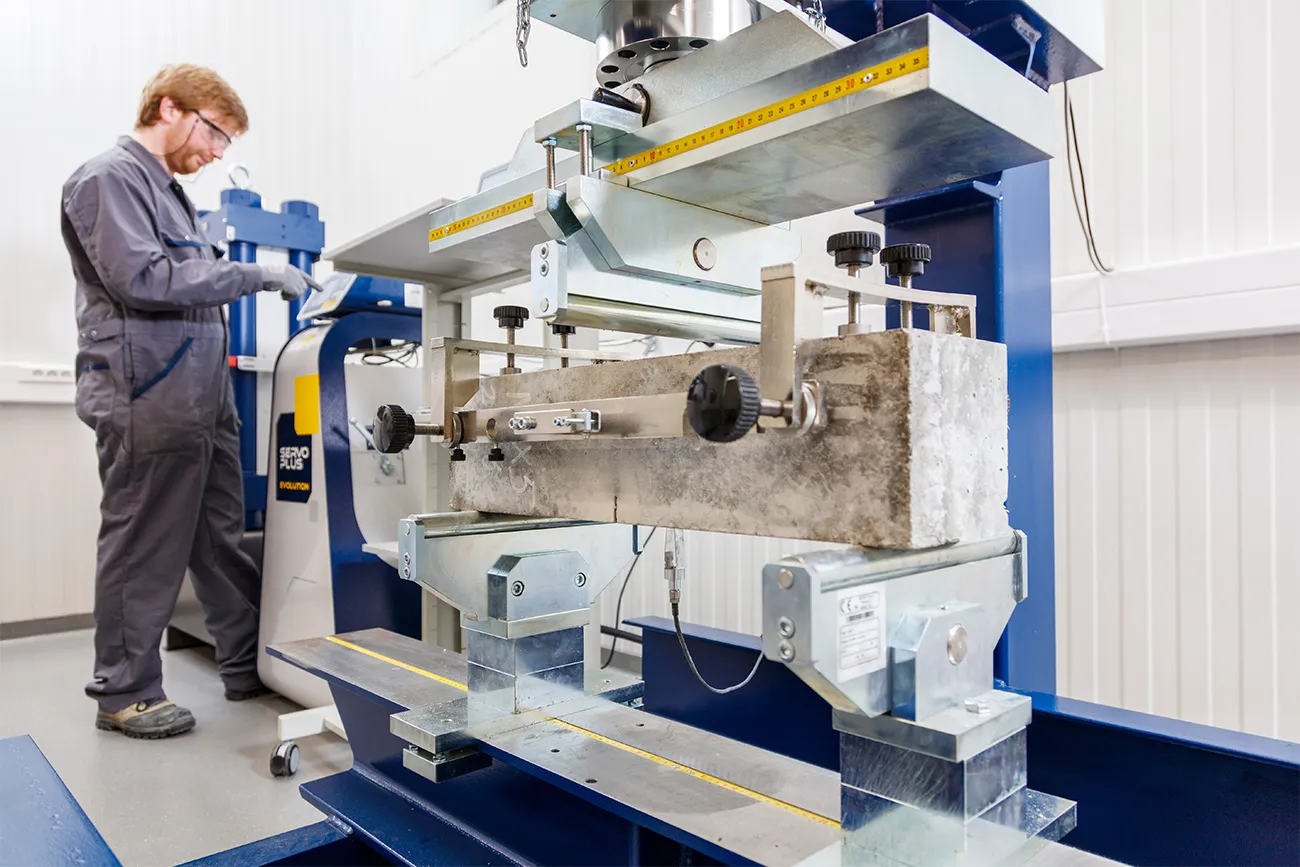
The developed blend of micro- and macro-synthetic fibres offers several notable benefits. First and foremost, the fibres can be mixed in at the concrete plant. This saves a significant amount of time and therefore speeds up construction. It is also more durable because it does not rust. Fibre-reinforced concrete is also lighter and fire-retardant. In addition, CO2 emissions are 60 to 90% lower, and the price difference compared with conventional steel has now reached 30%.
Work in progress
Jeroen Smet: “This technology is still a work in progress, though, as it is not yet possible to replace steel entirely. For suspended spans, for example, our fibres can currently only be used as part of hybrid reinforcement, which optimises steel reinforcement through the use of fibres. But that doesn’t mean there aren’t plenty of other applications. Think of large car parks and floors in logistics centres, or docks in ports where cranes operate. The fibres are also not susceptible to corrosion, so they are used in basements, underground car parks, foundations and tunnels. In those applications, they are even better than steel.”
Question about this story? Ask your question
Keep following this
Get an email when a new story is published. No account needed.
- ThemeMaterials with a lower environmental impact
- SubjectGeneral







