









Colas Belgium can manage projects of any scale efficiently and sustainably
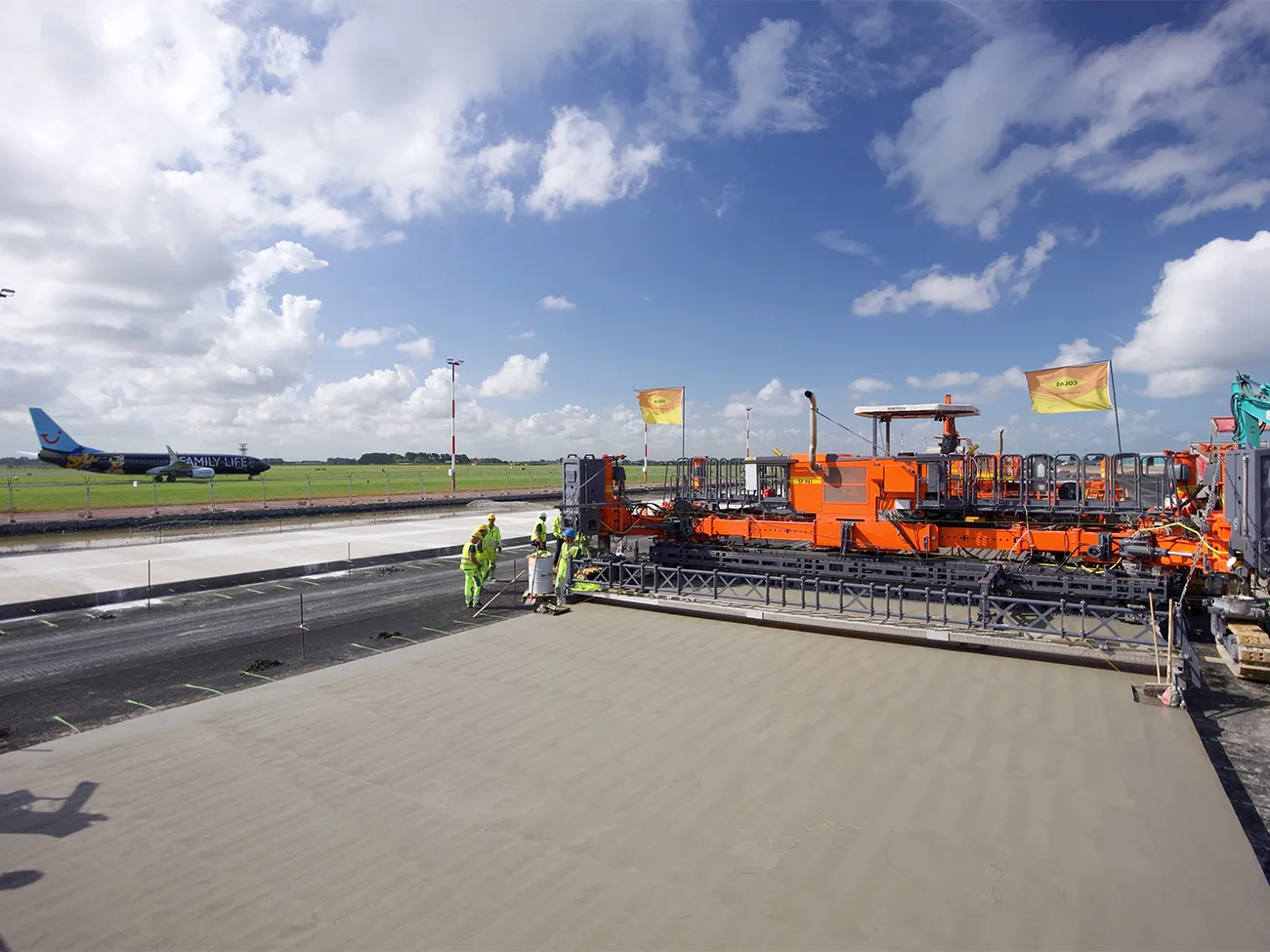
Founded in France in 1929, Colas has grown into a global leader in the construction and maintenance of transport infrastructure in just under 100 years. The French group designs, builds and maintains sustainable transport infrastructure around the world, always through local subsidiaries. It also has a subsidiary in Belgium, with five subsidiaries of its own.
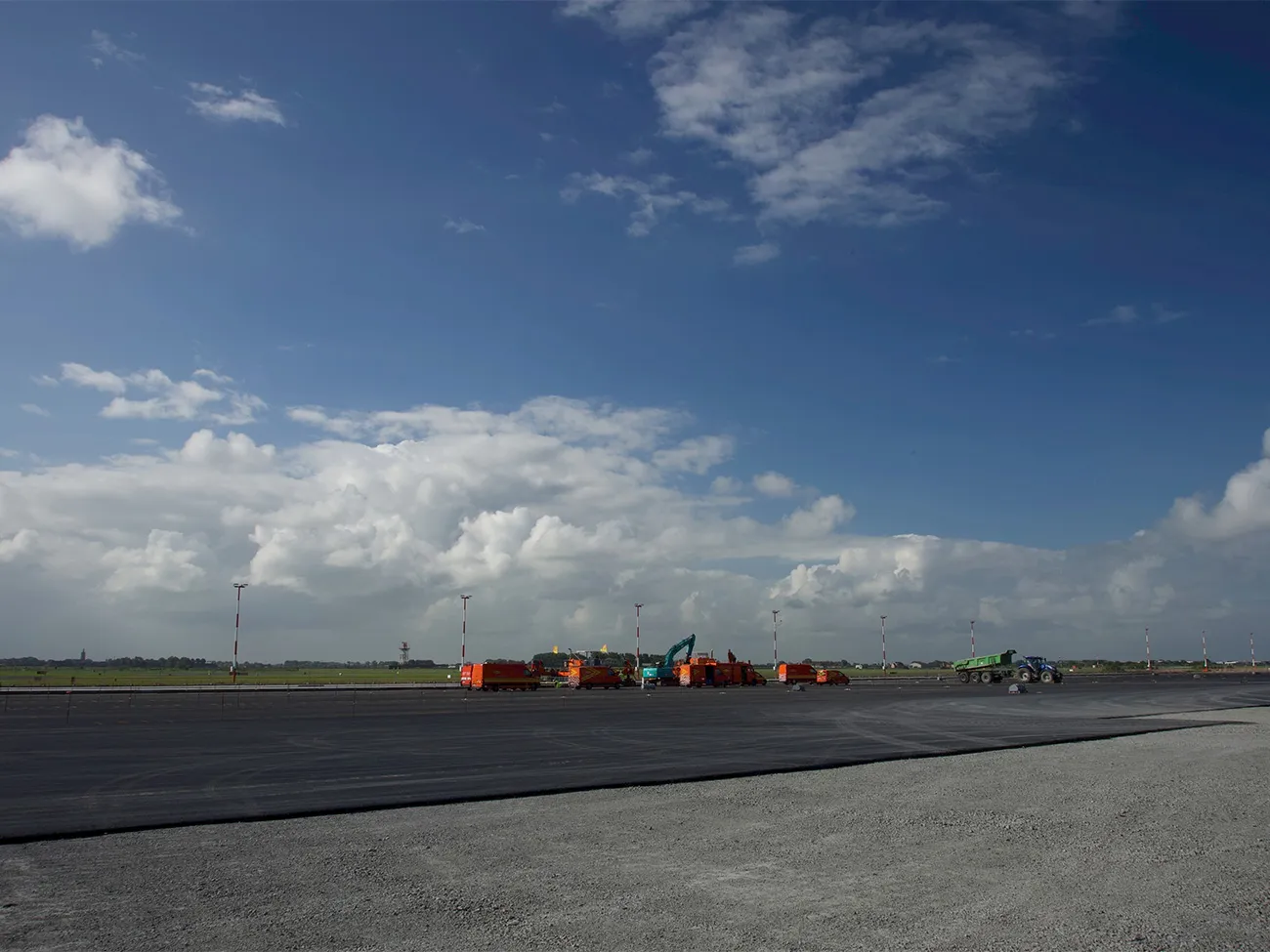
Colas Belgium has been part of the Colas Group since 1988. Its activities focus on urban planning, and the construction and maintenance of road, rail, airport, port, industrial and logistics infrastructure. After all, transport is about much more than simply getting from point A to point B. Roads, streets, railways, seaports and airports are the most important social networks in today’s modern world. The company also operates in specialist fields, including dedicated public transport lanes, motor racing circuits, and architectural and construction activities.
Five autonomous regional entities
Joris Verbeiren, project manager: “Colas Belgium comprises five autonomous regional entities operating throughout the country. Each of our branches is in close contact with local public- and private-sector decision-makers. Thanks to its network of local companies, Colas Belgium can manage projects of any scale efficiently. We are particularly well known for our extensive expertise in airport infrastructure, including concrete, asphalt and drainage. For example, we have been responsible for maintenance at Zaventem for more than 40 years, alongside work at several other airports in Belgium and abroad. We also won the public tender issued by Ostend Airport in December 2020.”
Ostend aircraft parking apron renovation
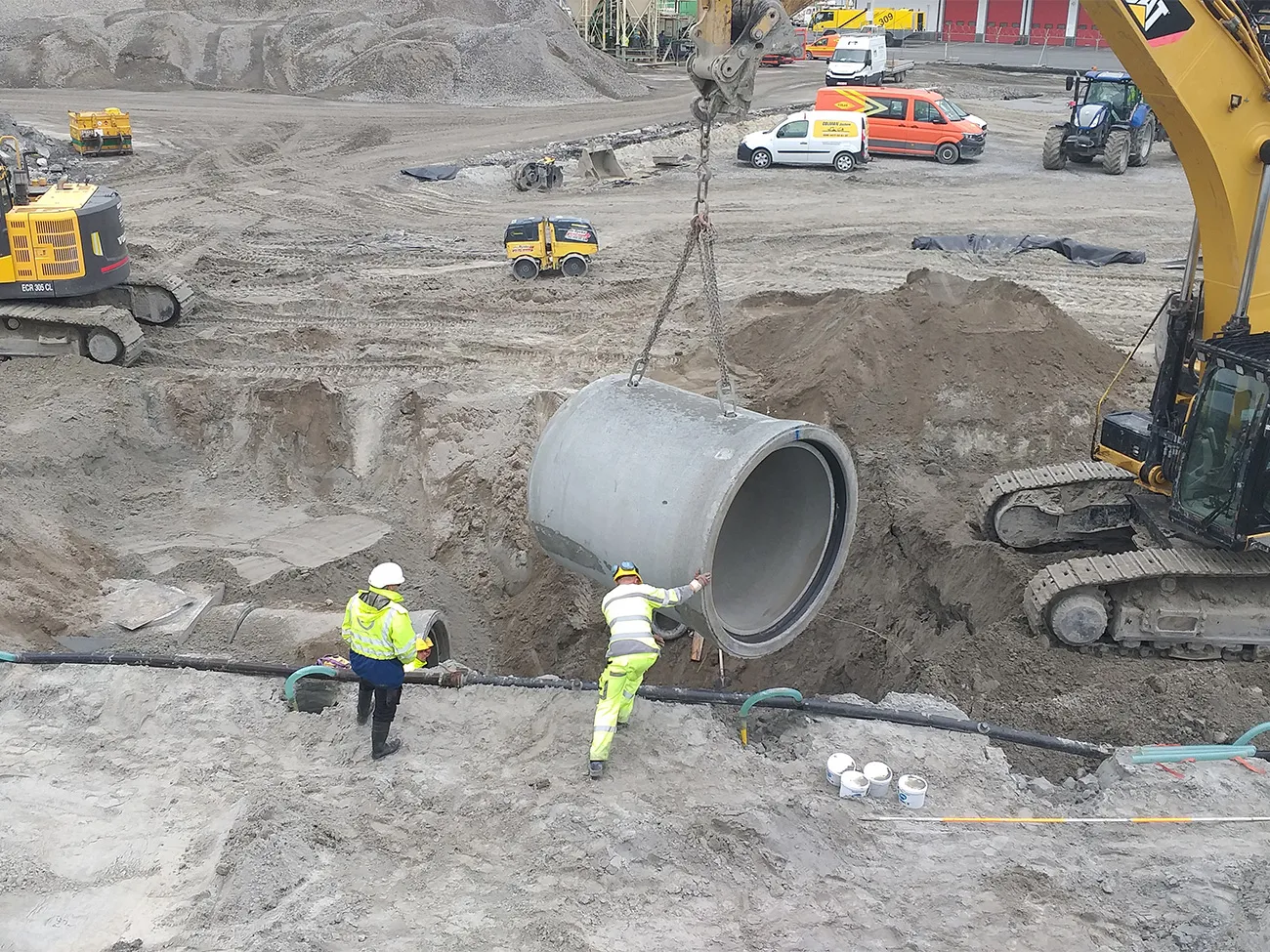
Renovation work on aircraft parking apron ‘apron 2’ began at Ostend-Bruges Airport in mid-April 2021. The work will extend the life of the pavement by 40 years. Joris Verbeiren: “The renovation contract is being carried out in two major phases, so that a large part of the apron remains operational throughout. In phase 1, we removed the eastern section of the apron, including its foundation. After laying the sub-base of crushed concrete and a lean concrete base, both using recycled material from the existing pavement, we laid two concrete layers on top of each other. The bottom layer is 20 cm thick and uses limestone aggregate. The 10 cm thick layer above it uses porphyry aggregate. We chose limestone because it is easier to source than porphyry and has excellent load-bearing and shock-absorption properties. All drainage systems beneath the apron, including those serving the Albertus-geleed, are also being renewed.”
Sustainability comes first
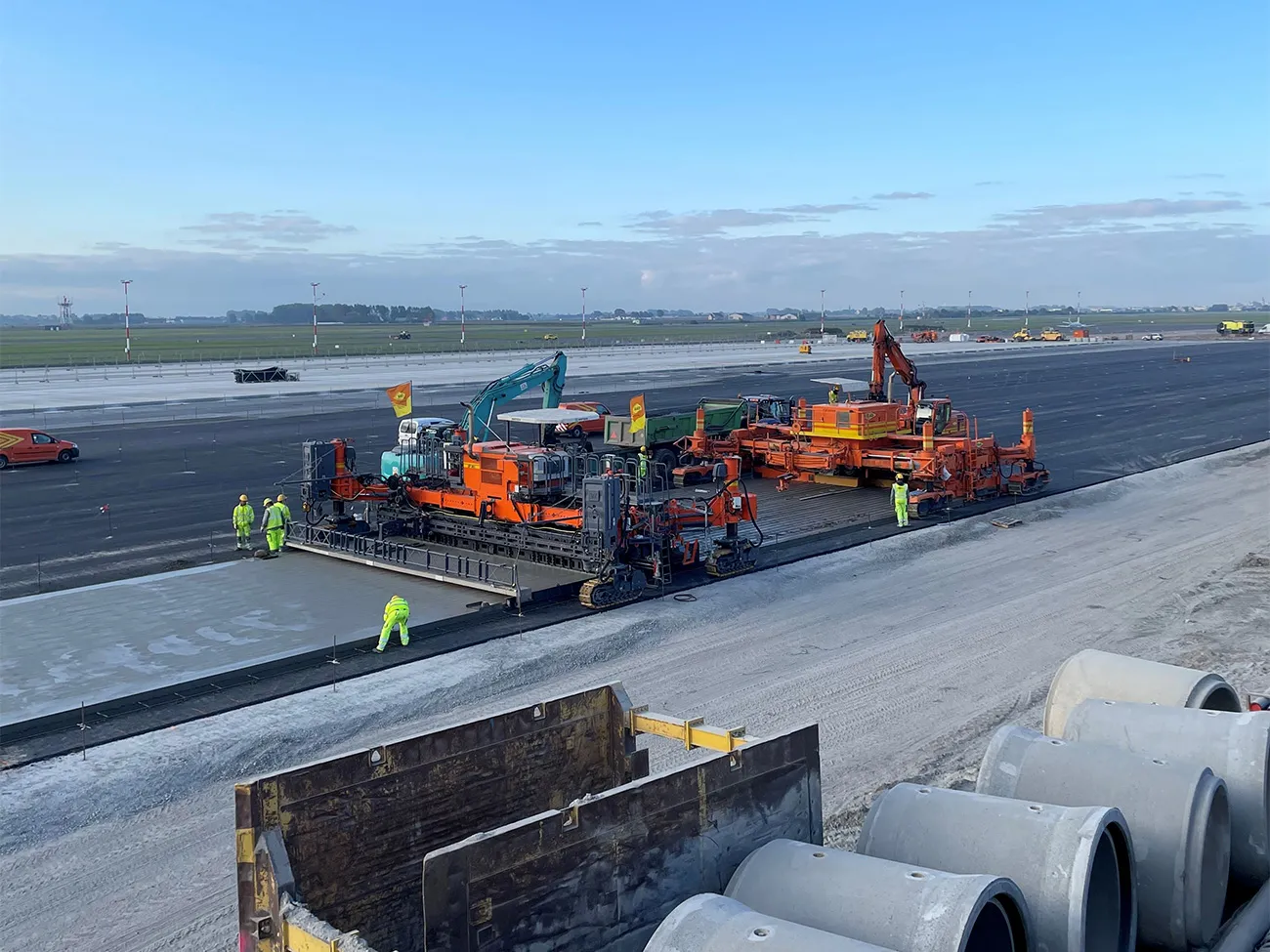
Joris Verbeiren: “We place a strong emphasis on sustainability in every project and aim to avoid as much waste as possible. The old pavement and foundation will therefore be recycled and reused on site to the greatest possible extent. To make this possible, a temporary concrete batching plant was built on site. As much site traffic as possible, between the temporary batching plant and the work zone, will be kept within the airport grounds to minimise the impact on surrounding roads. By the time the project is complete, we will have laid a total of 140,000 m2 of concrete pavement. We were also able to bring our two large slipform pavers out of storage. These machines for laying concrete pavements can each lay concrete to the correct profile across a width of 10 metres. Phase 2, covering the western section, is expected to be completed in May 2022.”
Question about this story? Ask your question
Keep following this
Get an email when a new story is published. No account needed.
- SubjectGeneral







