









Coastal Vision project gets a fresh start with intensive co-creation process
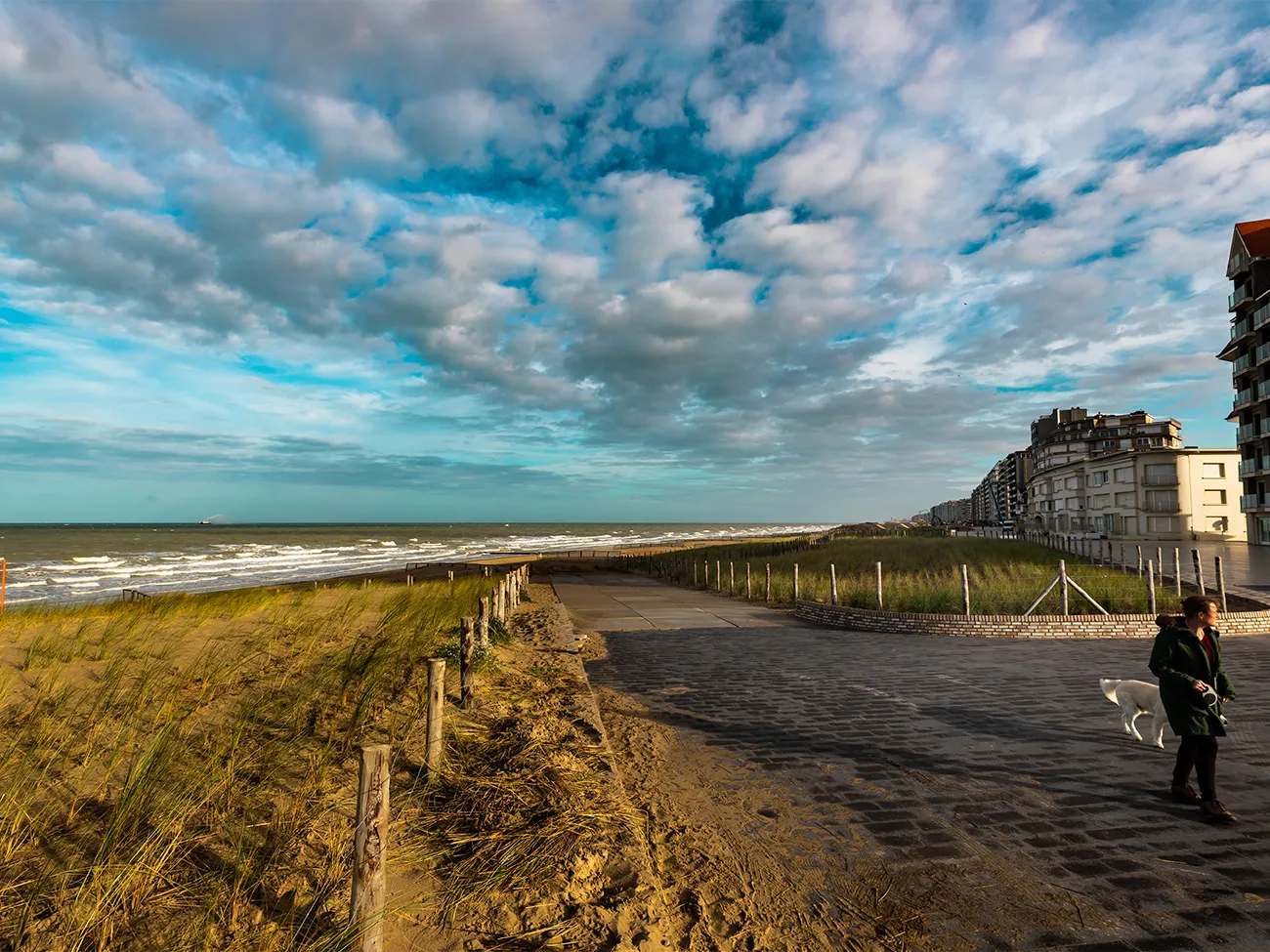
The Flemish Government has chosen a new approach to protecting the Flemish coast in the long term against high and accelerating sea-level rise. The Coastal Vision project has left the Complex Projects procedure and is embarking on a co-creation process involving multiple stakeholders. Today, at the initiative of Flemish Minister for Mobility and Public Works Lydia Peeters, the first digital co-creation session took place. Around 70 stakeholders from a range of fields and areas of expertise in and around the Flemish coast took part, including representatives and experts from coastal municipalities, ports, research centres and civil society organisations. The aim is to develop a broadly supported strategy over the coming years to protect our coast against long-term sea-level rise.
New approach aims to deliver broad-based, long-term coastal protection
Coastal Safety Master Plan protects us until 2050
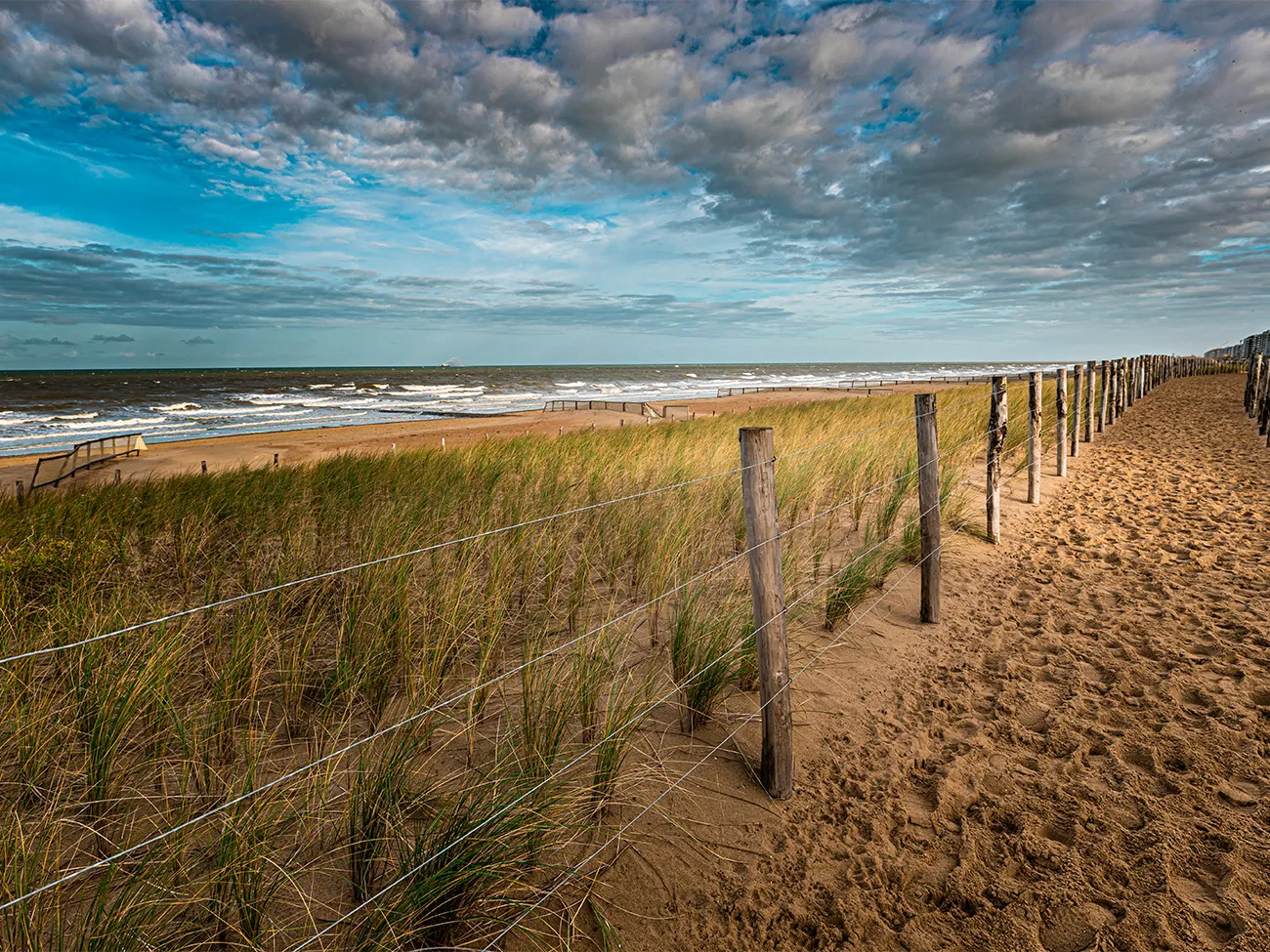
In recent years, the Flemish Government has taken a number of steps to protect the coast against storms and flooding from the sea: beaches have been raised, sea walls reinforced with storm walls, and a storm surge barrier will soon keep Nieuwpoort and its hinterland dry. These measures are part of the Coastal Safety Master Plan, which has been under way in all coastal municipalities since 2011. The measures were designed in line with the average climate scenario available at the time. They take account of a 30 cm rise in sea level and guarantee protection at least until 2050. Some measures, such as the storm surge barrier, look even further ahead than 2050.
Coastal Vision looks further ahead
But what if sea levels continue to rise as a result of global warming? Based on measurements and climate models, scientists conclude that global sea-level rise will accelerate. Moreover, a sudden acceleration is considered possible in the second half of this century. To protect us over the longer term against extreme sea-level rise, the Flemish Government is looking further ahead with the Coastal Vision project.
Participation and co-creation at the heart of the new approach
The Coastal Vision project followed the process approach for Complex Projects, but this is now being abandoned. Over the past year, it became clear that a different approach was needed. The research carried out during the process since 2017 will form the basis for the next stages. The knowledge and insights gained will therefore be taken forward. The main principles remain the same: to develop different possible coastlines and consider which coastal protection options could be applied. Participation, co-creation and collaboration are at the heart of the new approach.
Lydia Peeters, Flemish Minister for Mobility and Public Works: “I am delighted that the project is getting a fresh start. A great deal of work has already gone into Coastal Vision since it began in 2017. As the project progressed, however, it became clear that it did not fit within the Complex Projects procedure. This is due, among other things, to the project’s strategic nature, its long time horizon, its objectives and its large scale. It is also not easy to look ahead to 2050 or beyond within the framework of such a procedure, as we have to take account of many uncertain variables. I am very pleased with the fresh start we are making with this project, and I can see that everyone involved is enthusiastic about making it a success. Climate change is becoming increasingly urgent. That is why it is important to start thinking now about how we can prepare for extreme sea-level rise.”
Pioneering
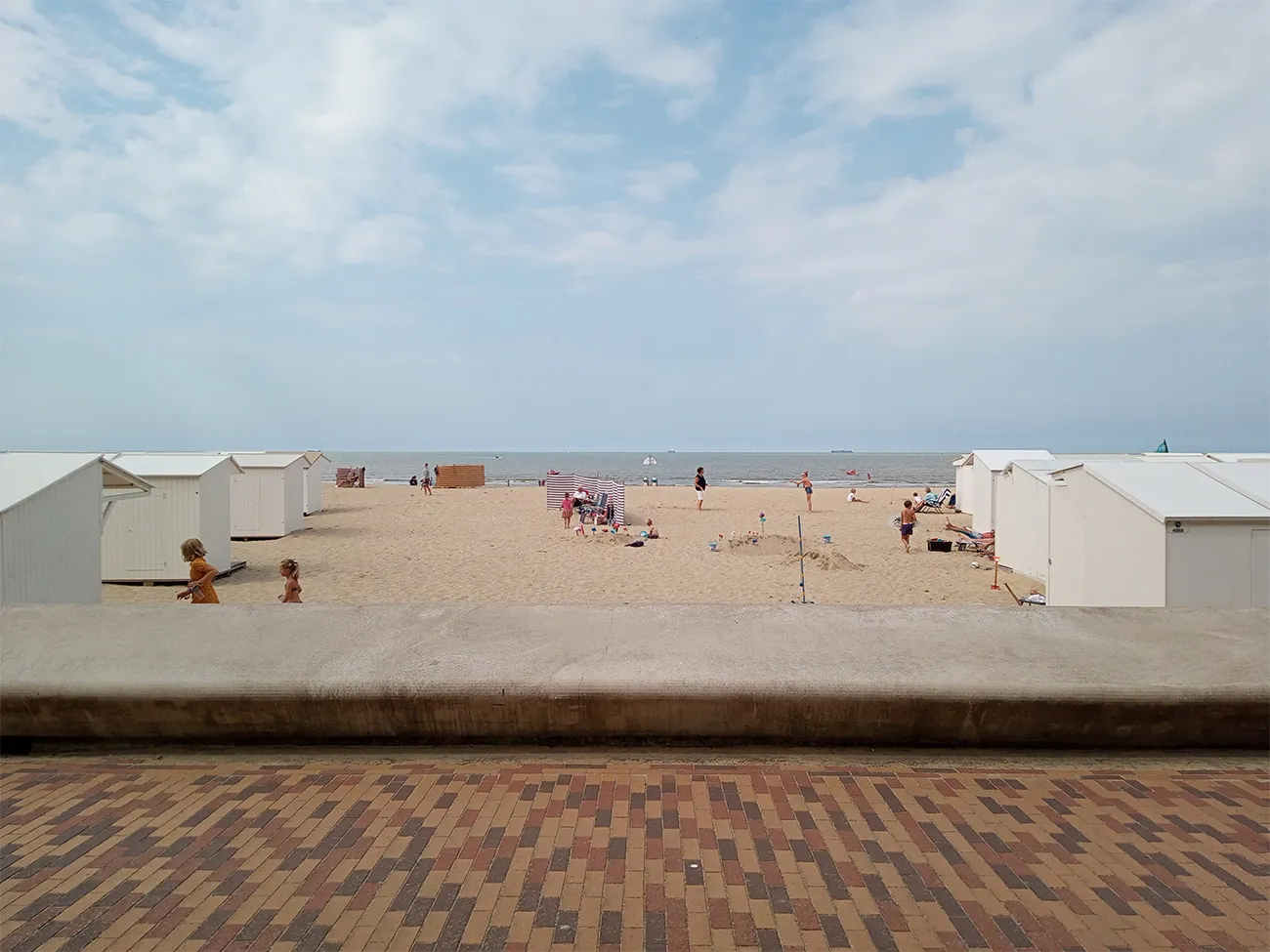
By anticipating now the need for coastal protection from the 2nd half of this century onwards, Flanders is a pioneer in coastal protection in Europe. “We are taking the lead in preparing the coast and its hinterland as effectively as possible for climate change. By taking on this role now, we can become a knowledge hub for large-scale transition and the promising enhancement of coastlines across Europe. Our primary aim, of course, remains the long-term protection of our coast,” says Minister Peeters.
Bringing stakeholders together in workshops
Alexander D’Hooghe of design firm ORG is part of the consortium shaping the Coastal Vision project, both in terms of its content and its process. D’Hooghe gained experience with a similar project as intendant for liveability projects and the covering over of sections of Antwerp’s Ring Road. Thanks to his involvement, combined with a co-creation process, civil society groups and the government signed the so-called Future Pact. After years of legal proceedings and opposition, this finally led to a broadly supported vision for Antwerp’s liveability and mobility. The consortium is using the same method for this project.
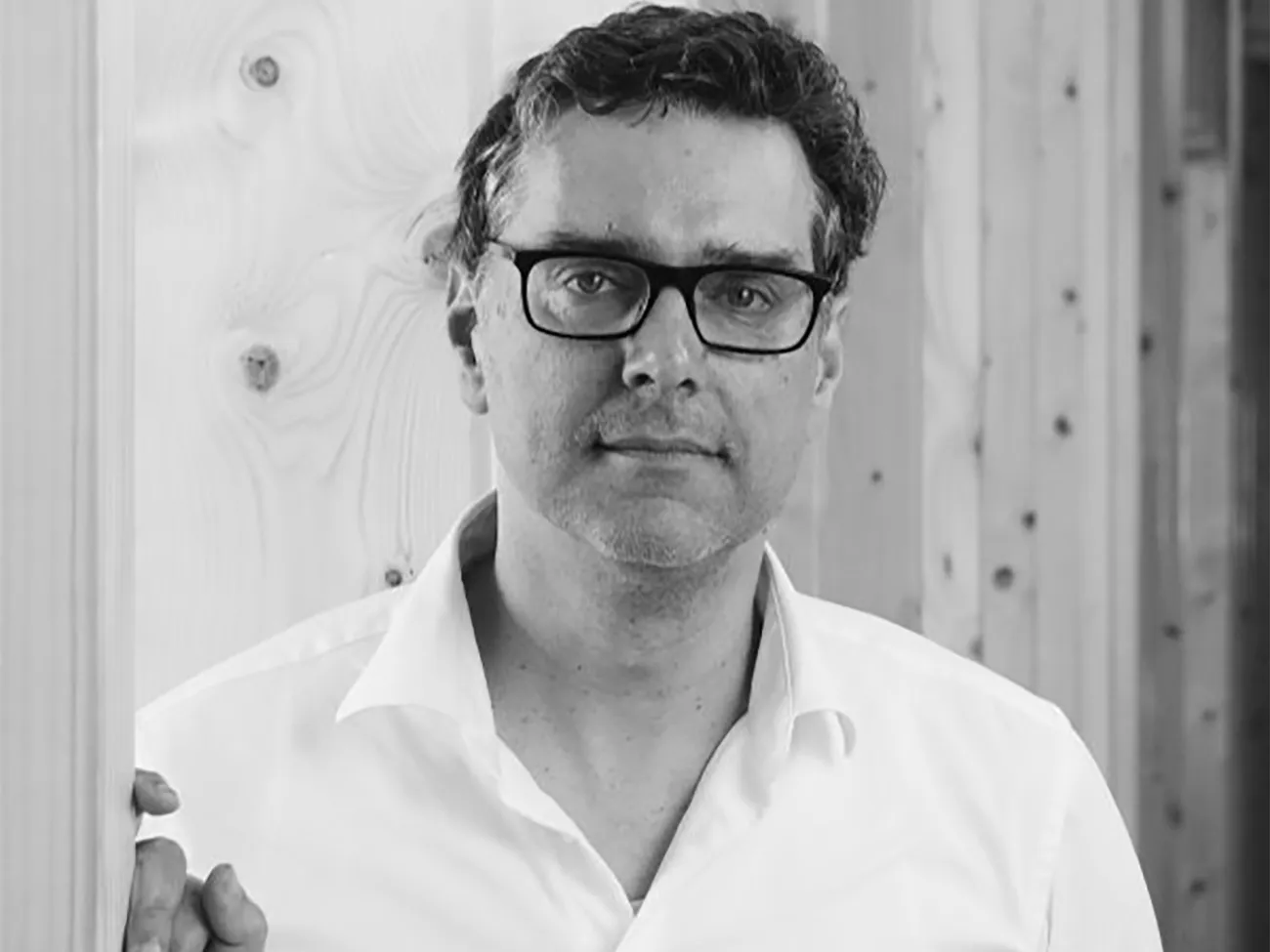
Alexander D’Hooghe: “To safeguard our coastline in the long term against a sea-level rise of up to 3 metres, we need an approach that has broad support. We will consider not only the potential effects of further sea-level rise, but also the opportunities that extensive coastal protection can bring. We will explore how a renewed coastline can build on the strengths of the coast as it is today and create new opportunities. Our main focus is to preserve the coastal zone and its distinctive character sustainably, and improve them where possible, for us and especially for future generations. We will work behind the scenes to reconcile different points of view and priorities. We will do this through workshops involving coastal municipalities and ports, experts, research centres, … The co-creation process will require considerable commitment from participants. Everyone will be asked to provide input on several occasions. Around 70 people took part today. This already shows that many stakeholders are keen to reflect and contribute.”
Question about this story? Ask your question
Keep following this
Get an email when a new story is published. No account needed.
- SubjectGeneral







