









Choose a comprehensive public participation process
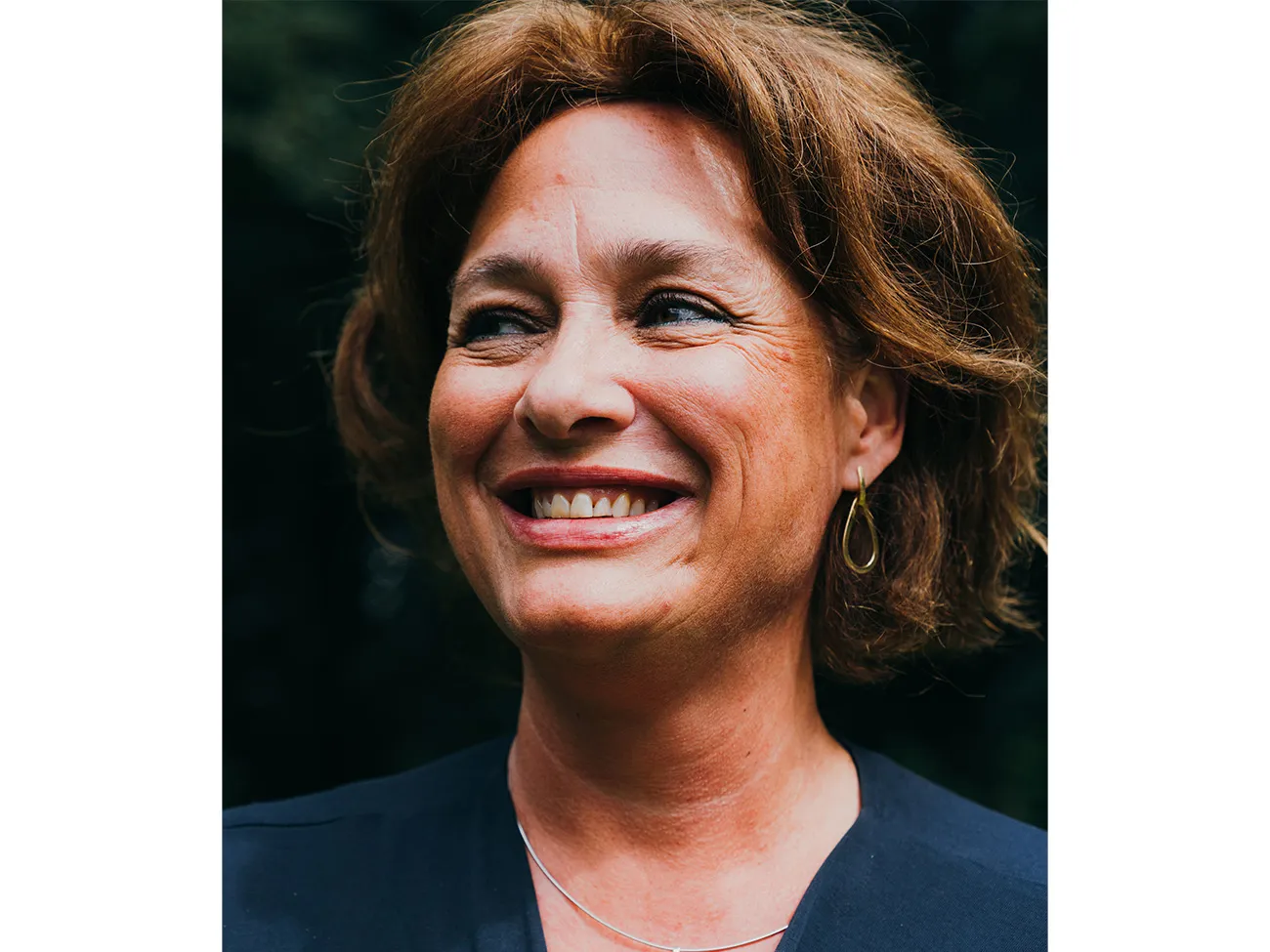
In 2006, I saw the rise of social media and the world changed. Suddenly, everyone had access to mass media at no cost. Until then, citizens or consumers could only express their dissatisfaction by taking to the streets, writing a letter to the editor or going through Testaankoop. As a result, dissatisfaction received limited attention. Before social media came along, companies had far greater power to communicate than citizens or consumers, but that has changed enormously since then.
Unlike most companies, I immediately realised that social media would have a huge impact. The ability of people to unite in large numbers with ease was not going to disappear, of course. It would only grow. As with all movements on the rise, there are pros and cons. It is obviously a good thing that certain issues are brought to light. For example, the citizen movements Ringland and Ademloos set a great deal in motion in the Oosterweel project. The client joined the discussion, became involved, and this led to positive outcomes.
But citizens can also go too far, as the recent demonstrations against Good Move show. The feelings of ordinary people have not changed, but the way they can unite and express themselves has. The question is: how do you deal with that? The key is to address it systematically and build it into the process. Public participation is now required from the very start of a project. That is a very good thing. But for now, exactly how it should be done remains very vague. An information meeting with a model and a suggestion box is not enough. Token participation is absolutely out of the question.
There is a clear difference between informing people and involving them. Information events will always attract the citizens who feel most strongly involved and the staunchest opponents. That is not a representative cross-section of the population. Information events are certainly necessary, but far from sufficient. The first step is therefore to map all the stakeholders and organisations you want to involve. Parents with pushchairs, people who leave for work at 5am, environmental organisations, passers-by and travellers, lorry drivers, traders... as broad a range as possible. The next step is to engage these different groups in a facilitated process, listening to their specific questions and needs. Set out a clear case: ‘this is our challenge, and we want to hear your perspectives on it from every angle’.
In an ideal scenario, you bring a diverse group of people together as early in the process as possible. You start with the common good, such as air quality, noise pollution and road safety, and then move on to the specific interests of the different groups. This is crucial to the rest of the process, because it gives everyone involved a voice and allows you to explain clearly why certain decisions are being made. The more people are involved, the greater the chance of understanding and of gaining fresh perspectives that could even take your project to a higher level.
Two parties are essential to managing this process: communication specialists and participation specialists. They are completely different parties, each with their own area of expertise. Surround yourself with the right people. And have the courage to opt for a more extensive participation process. ‘It takes time, money and effort,’ you might be thinking. But that is not entirely true. A well-designed, integrated participation process only brings benefits. It does take time, but the time you could lose later in the project due to potential disputes, protests and suspensions is far more costly. And once decisions have been made following an extensive participation process, they must be respected, and troublemakers must be dealt with firmly.
Cato Léonard
CEO, GLASSROOTS
Public participation expert
Question about this story? Ask your question
Keep following this
Get an email when a new story is published. No account needed.
- SubjectGeneral







