









Bitumen recycling is a prime example of circularity
Text Saar BenteinImage Soprema
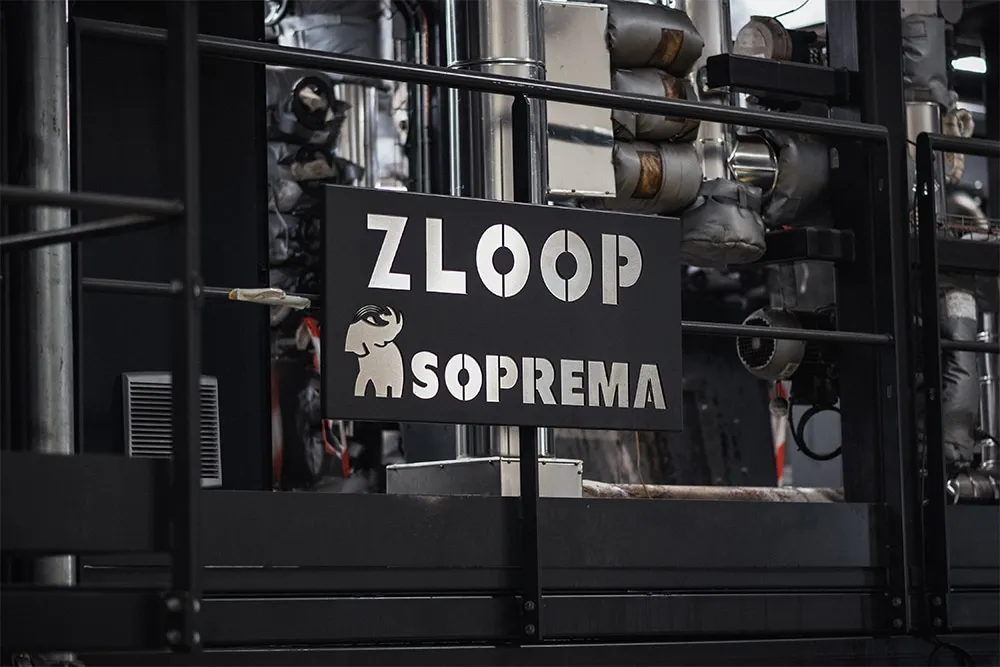
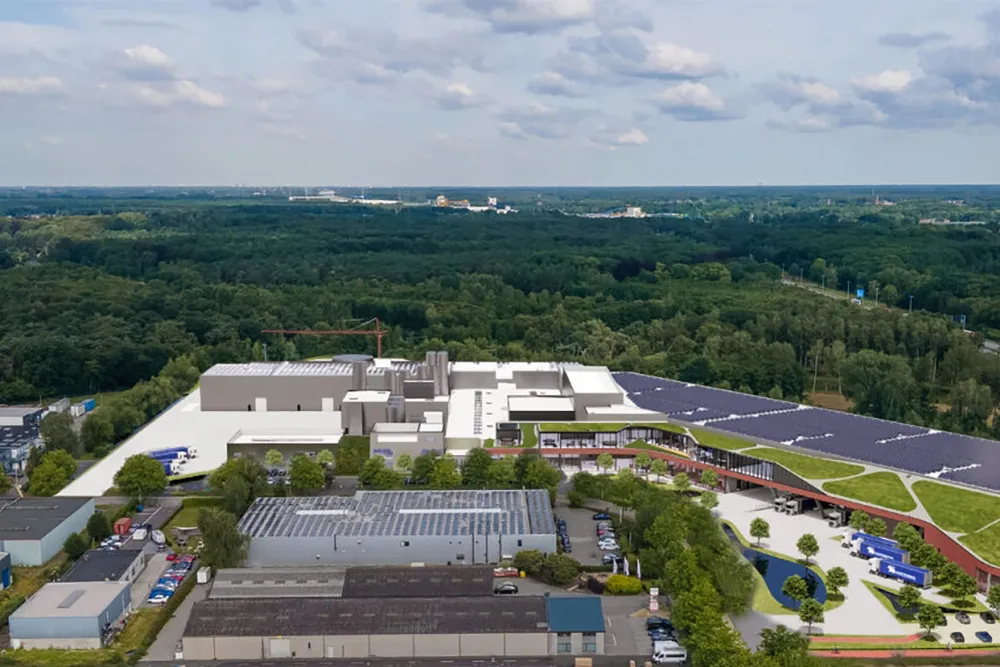
Soprema, a global manufacturer of waterproofing and insulation products, is building a bitumen recycling plant. Bitumen is better known as roofing felt. ZLOOP, the innovative recycling facility, produces a high-quality raw material for manufacturing new bituminous waterproofing membranes. “In Grobbendonk, we turn your old roof into a new one. Fully circular and local,” is the guiding principle.
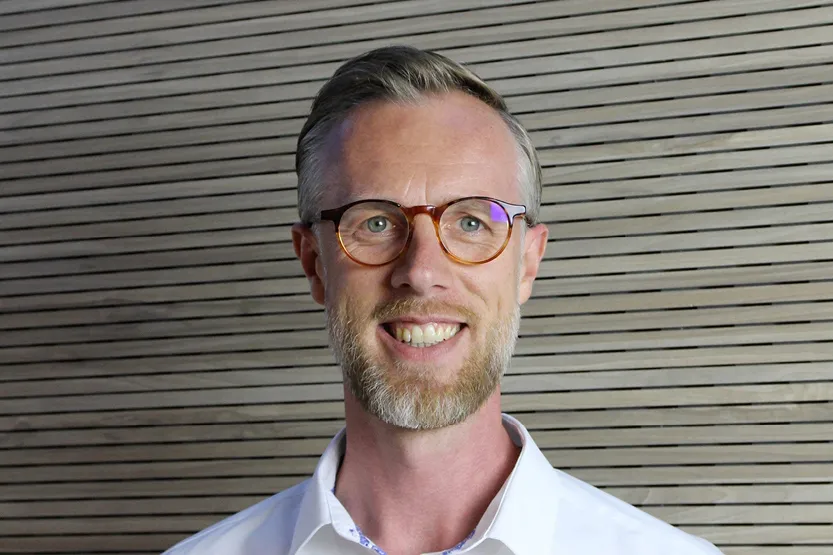
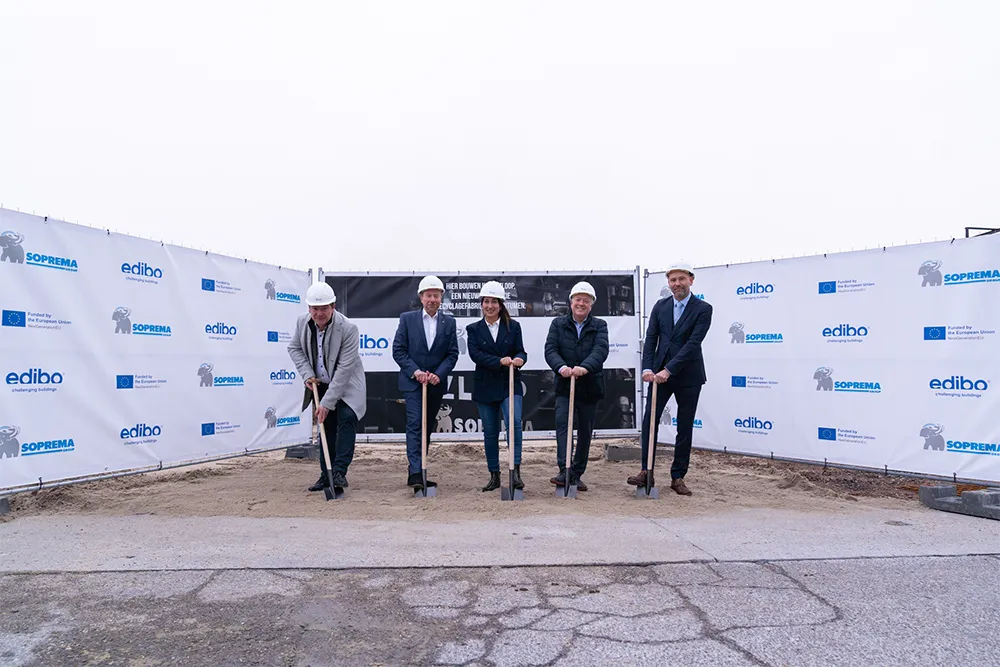
Following the construction of an insulation recycling plant in Tongeren, Soprema is continuing to build its circular credentials in Grobbendonk. The site is home not only to its head office, but also where Soprema manufactures almost all the bitumen for the Belux market. “That is a deliberate choice,” says Peter Geysenbergh, Sustainability Manager at Soprema. “We produce and recycle bitumen at the same site. The output from the recycling process is the input for the production process. We are closing the loop locally.” ZLOOP will produce 6,000 tonnes of recycled material a year. The aim is for it to be operational by 2025.
Maximum circularity
The recycled bitumen is returned to roofing production as a high-quality secondary raw material, with no loss of quality. A small proportion of waste cannot be used as a new raw material for roofing, but finds a new lease of life in other applications. Geysenbergh says: “We aim to recycle 100%, but in practice that is not always possible. ZLOOP’s innovative technology, short for Zero Waste Loop, ensures that even the small residual proportion of waste is put to circular use. This is often viewed negatively as ‘downcycling’, but we prefer to talk about maximum circularity. We give our products the fullest possible new lease of life and leave nothing to waste.”
(R)evolution in the construction sector
Soprema has long been championing the circular economy. “And we are not alone. In recent years, manufacturers, the government, industry federations and others have launched many sustainable initiatives. I have worked in the construction sector for 25 years, but what I see today is not an evolution, it is a revolution,” Geysenbergh stresses. He cites the establishment of BRN (Bitumen Recycling Netwerk) as an example. This initiative brings together all manufacturers of bituminous roofing to collect offcuts jointly. “It is a great example of shared effort and collective responsibility. Working together also boosts efficiency and reduces costs. The future is circular, but that only works if you always keep the economic aspect in mind,” says Geysenbergh.
The full lifecycle of a product
According to Geysenbergh, collaboration with and between all players in the chain is essential to achieving long-term circularity. Soprema invests in sustainable product design and recycling, but the stages between design and end of life are crucial too. “For example, the installation, use and removal of roofing affect its recyclability. That is why Soprema places a strong emphasis on education and knowledge-sharing. You cannot do it alone. We want to be a knowledge centre. We involve designers, building owners, clients, demolition contractors and others to increase the impact of our sustainability efforts.” Soprema’s ambitions go far beyond manufacturing and selling waterproofing and insulation products. “We want to become a one-stop shop for knowledge-sharing, sustainable solutions, circular products and maximum recycling. In short, we provide a service throughout the entire lifecycle of our products.”
Een zakelijke vraag aan Soprema NV? Get in touch
Who worked on it
Recyclagefabriek Soprema Grobbendonk in Grobbendonk
- manufacturer
 Soprema
- main contractoredibo
Keep following this
Get an email when a new story is published. No account needed.
- ProjectRecyclagefabriek Soprema Grobbendonk
- ThemeMaterials with a lower environmental impact
- SubjectGeneral
- CompanySoprema NV
- Companyedibo







