









Bentonite slurry under new Vlarebo legislation
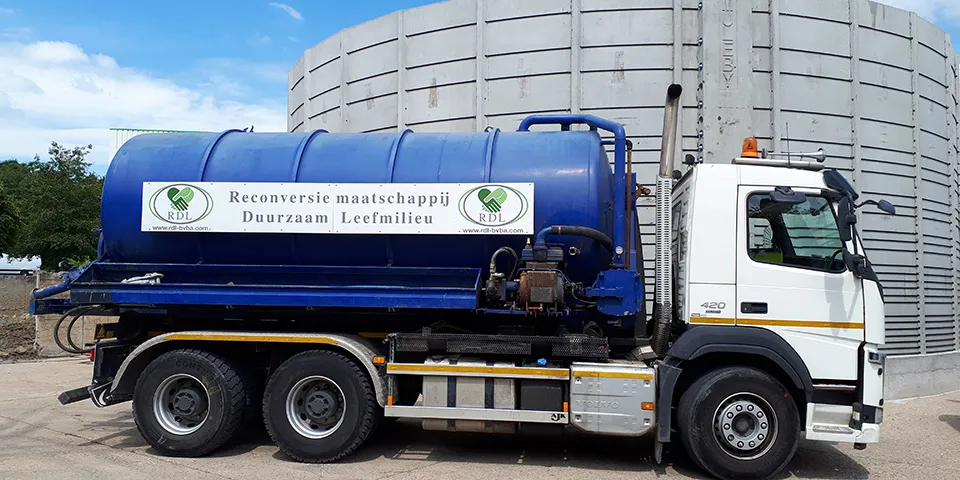
The new Vlarebo came into force on 1 April 2019. Among other things, the use of bentonite slurry (drilling slurry) from directional drilling is now governed by the ‘soil movement regulations’. A technical report covering the entire process, from delivery of the drilling slurry to removal of the end product, is therefore mandatory. Redevelopment company Duurzaam Leefmilieu (RDL) is getting ahead of the curve, with bespoke software from QEOS providing a simple way to track the flow of materials through delivery, processing and removal.
A number of soil-like materials moved from Vlarema to Vlarebo on 1 April. These include bentonite slurry, also known as drilling slurry. “It’s a logical and, above all, necessary change,” says Peter Hendrikx, director of operations at RDL, which has specialised in processing bentonite slurry into a soil improver for agriculture for several years. “Until now, illegally dumping drilling slurry was more or less standard practice. This was done without testing for, for example, contamination, allowing it to spread even further. The new legislation is now changing that.”
“This is especially important when certificates and attestations have to be produced,” says Paul Catoul of QEOS, a software company that developed application software at RDL’s request to record the entire process, from delivery from the site through processing at RDL to removal. Paul Catoul says: “QEOS specialises in developing bespoke software, largely based on positioning. The data collected are very important for time recording, invoicing, reporting and monitoring. QEOS’s strength lies in developing a fast, consistent system that records every step accurately and assures the customer that everything is done in compliance with the law. It is a shame that this kind of legislative change goes unnoticed, when collecting the right data at the right time is such a major asset.”
Technical report for drilling
Bentonite slurry is the mixture of soil, bentonite and water produced during drilling. Under the new legislation, the client must have a technical report drawn up before using bentonite slurry. This applies when drilling is carried out on a site suspected of being contaminated, such as a public road, an old roadbed or a road verge, or when more than 250 m³ of soil materials are produced in total. If the site is not suspected of being contaminated and less than 250 m³ of soil materials are produced, no technical report is required, and there is therefore no need to apply for soil movement authorisation. However, the removal of the bentonite slurry must be reported in advance to a recognised soil management organisation.
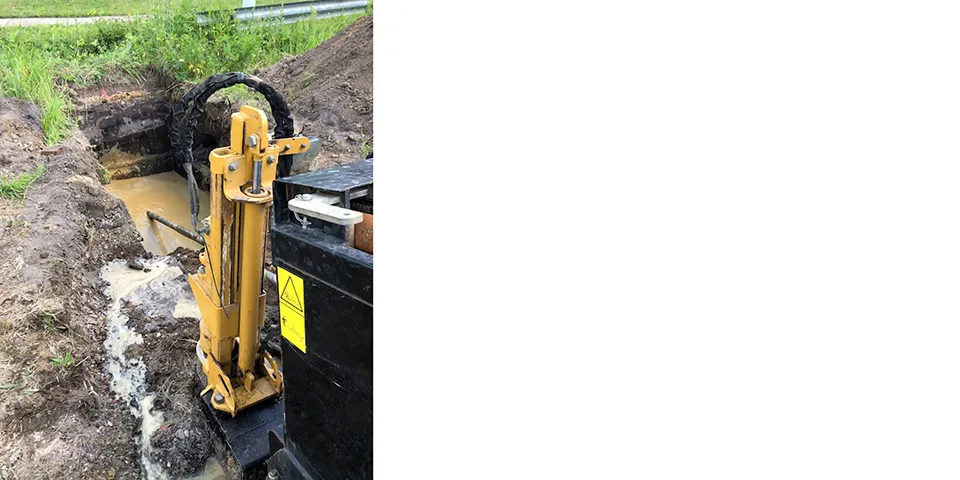
The use of bentonite slurry (drilling slurry) from directional drilling is now governed by the ‘soil movement regulations’.
Legal versus illegal
The new legislation plays right into RDL’s hands. “80 per cent is still dumped illegally today. The only material handled legally is what passes through RDL. Our end product is initially aimed at the potato sector,” says Peter Hendrikx, who also briefly explains the processing procedure. “When work on a site is completed, a final declaration is drawn up and analyses are then carried out by an accredited laboratory. A technical report is prepared on the basis of those analyses, allowing us to apply for a declaration of conformity and then for soil transport permits for removal. Finally, we submit a final report to Grondbank. That closes the loop.”
With QEOS’s software application, RDL is getting ahead of the curve. Paul Catoul says: “Most companies that carry out drilling are undoubtedly compliant with their reporting requirements, but what analyses have been carried out, and where does the bentonite slurry go? With a consistent, fast and compliant system for recording everything from A to Z, RDL has conclusive proof that the material is being tracked and a valuable advantage.” Peter Hendrikx agrees: “This system gives us a head start, especially as the number of inspections is only going to increase. What’s more, we are currently the only company in Belgium processing drilling slurry into a soil improver. And we certainly see plenty of room to grow.”
For more information about the changes to the legislation, contact Grondbank or Grondwijzer. Anyone wishing to learn more about software development specialist QEOS can visit the company at Matexpo, Agribex and Werktuigendagen, where it will be offering personalised demonstrations, among other things.
Question about this story? Ask your question
Keep following this
Get an email when a new story is published. No account needed.
- SubjectGeneral







