









A major step towards smart and sustainable mobility
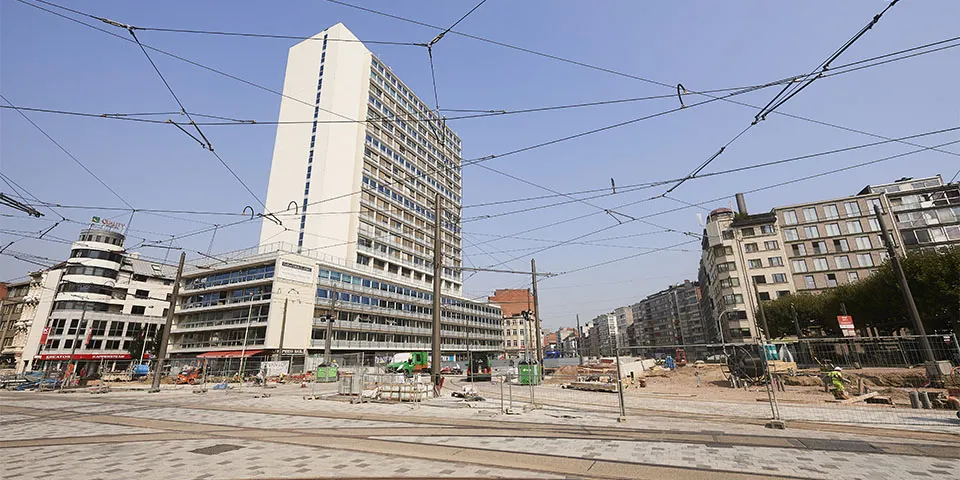
With the opening of the new tram lines, the city of Antwerp took another step towards smart and sustainable mobility late last year. Throughout the project, which lasted almost four years, ENGIE Fabricom was responsible for all the work involving electricity. “From overhead lines, points control and lighting to junction control, underground fire detection and power distribution. Everything related to electromechanical engineering falls within ENGIE Fabricom’s scope,” says senior project manager François Gillain.
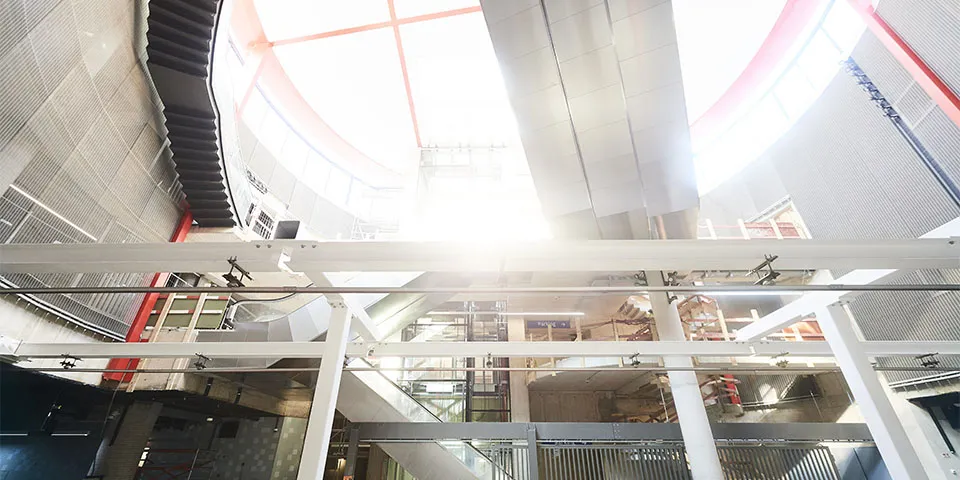
The Opera premetro station was completely renovated. (Image: David Plas)
Improving traffic flow and contributing to the shift towards sustainable mobility solutions are among ENGIE Fabricom’s core activities. François Gillain: “Smart and sustainable mobility has enormous potential when it comes to reducing CO2 emissions. As a leader in the energy transition, and with its Zero Carbon as a Service strategy, ENGIE has for many years been fully committed to enabling the use of green mobility, by developing innovative solutions and building infrastructure on the one hand, and making its expertise available on the other.”
ENGIE Fabricom, a subsidiary of ENGIE, is the group’s partner of choice for all large-scale, complex and challenging public transport projects. ENGIE Fabricom began work on this project in 2016. In addition to building new tram lines and roads, the Noorderleien and other major traffic routes were also made safer. As a contractor in the Tramcontractors NV consortium, ENGIE Fabricom was responsible, among other things, for the electromechanical works for all tram points, the connection to the Livan premetro tunnel, the renovation of the Opera premetro station and the Londenbrug, and all technical installations in the new underground car park and in the tunnel beneath Operaplein/Rooseveltplein.
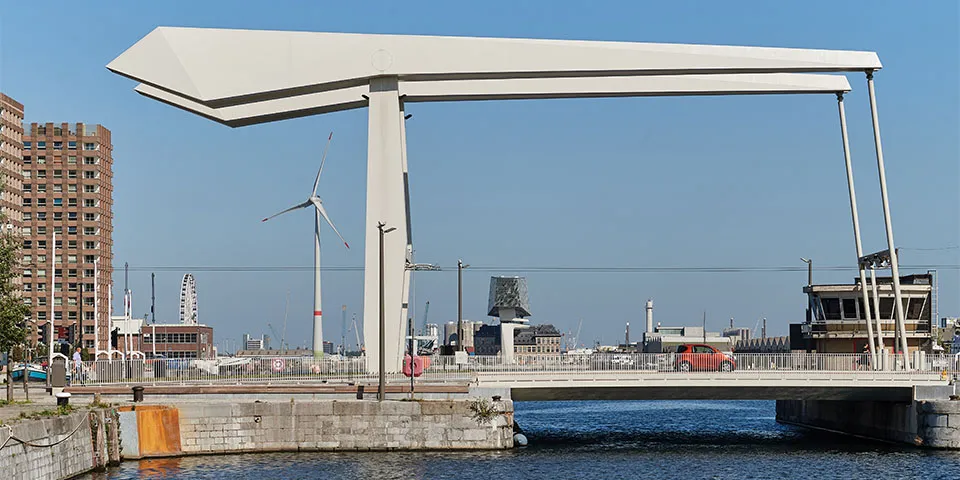
ENGIE Fabricom carried out the hydraulic and electromechanical works during the renovation of the Londenbrug. (Image: David Plas)
Electromechanical works
“From overhead lines, points control and lighting to junction control, underground fire detection and power distribution. Everything related to electromechanical engineering falls within ENGIE Fabricom’s scope,” explains François Gillain. “ENGIE Fabricom knows the Opera premetro station inside out, as we also built the original structure in the 1970s. ENGIE Fabricom’s current CEO was the project manager at the time. So we know our client well, and the reverse is true too. Electromechanical works are our speciality, and we are familiar with every possible technique. The main challenges were logistics and the various stakeholders. We usually work somewhere with enough space, but here, in a busy city centre, things were very different. You have to take many factors into account, and phasing the works was anything but routine. The schedule was very tight and time was limited.
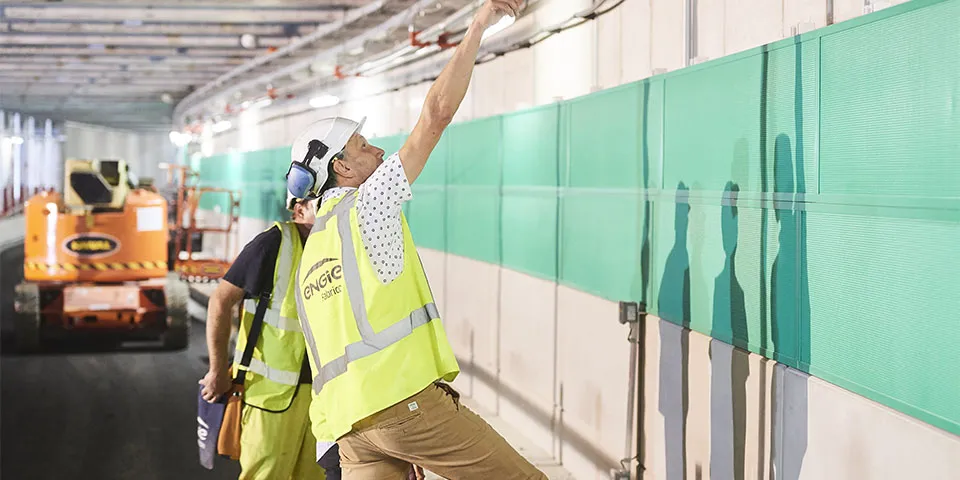
Throughout the project, which lasted almost four years, ENGIE Fabricom was responsible for all the work involving electricity.
Figures
ENGIE Fabricom also installed the fibre-optic network for communications and control, as well as 5 traction substations to convert power between the high-voltage grid and the tram network. Street lighting and traffic lights within the project boundaries were also renewed. François Gillain: “And you can add the overhead lines for the new tram line to that. We installed 610 overhead line masts and 40 km of overhead line cable. For the new Operaplein, the station, the underground car park and the tunnel, ENGIE Fabricom installed a total of 280 km of cables for data and power, more than 3,500 underground light fittings, 670 fire detectors, 73 cameras, 170 loudspeakers, 40 telephones, 150 data points and 55 electrical panels.”
LED lighting
Sustainable mobility was a central theme for ENGIE Fabricom throughout this huge project. “ENGIE Fabricom supports public transport, and in that respect this project was an absolute must for us. The necessary efforts were also made in terms of sustainable energy. For example, LED lighting was chosen throughout. Energy performance was also an important criterion in awarding the contract. A solution could, for instance, be more expensive if it demonstrated a significant reduction in consumption. We naturally welcome initiatives like these, and they are an area where we can make a difference,” concludes François Gillain.
Question about this story? Ask your question
Keep following this
Get an email when a new story is published. No account needed.
- SubjectGeneral







