









A century of innovation in service of our roads
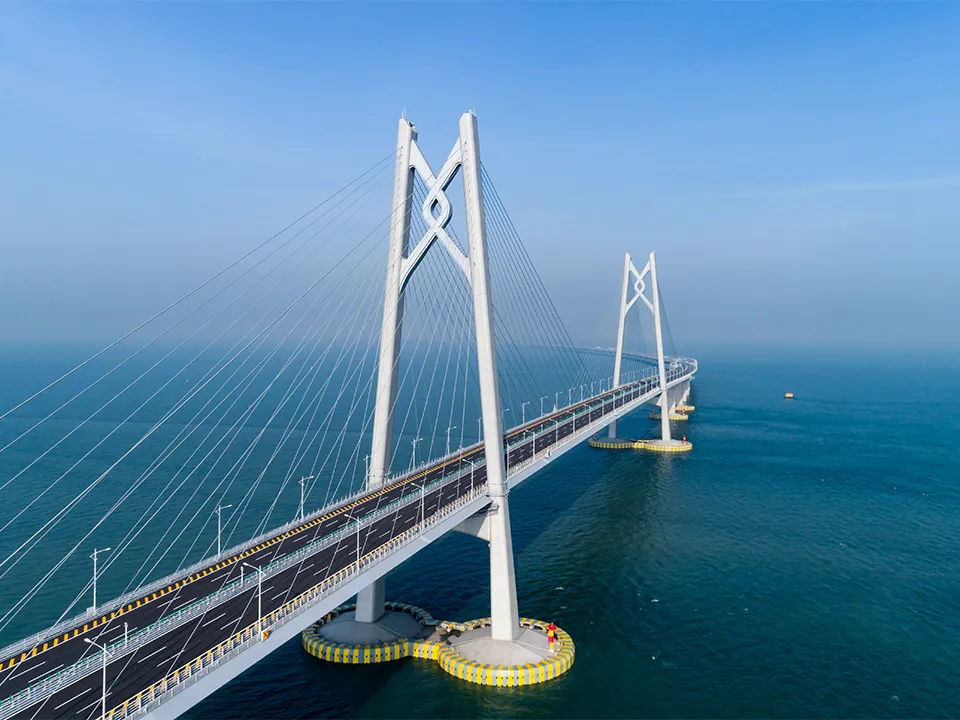
For more than a century, Shell Bitumen has been contributing to the development of the world’s best road infrastructure.
Since the Shell Haven refinery in the United Kingdom began producing bitumen on a large scale in 1920, Shell Bitumen has been a driving force behind major changes in the bitumen sector, thanks to its extensive expertise and unwavering commitment to innovation. It is therefore no surprise that the company is now focusing its efforts on research into sustainable materials and applications.
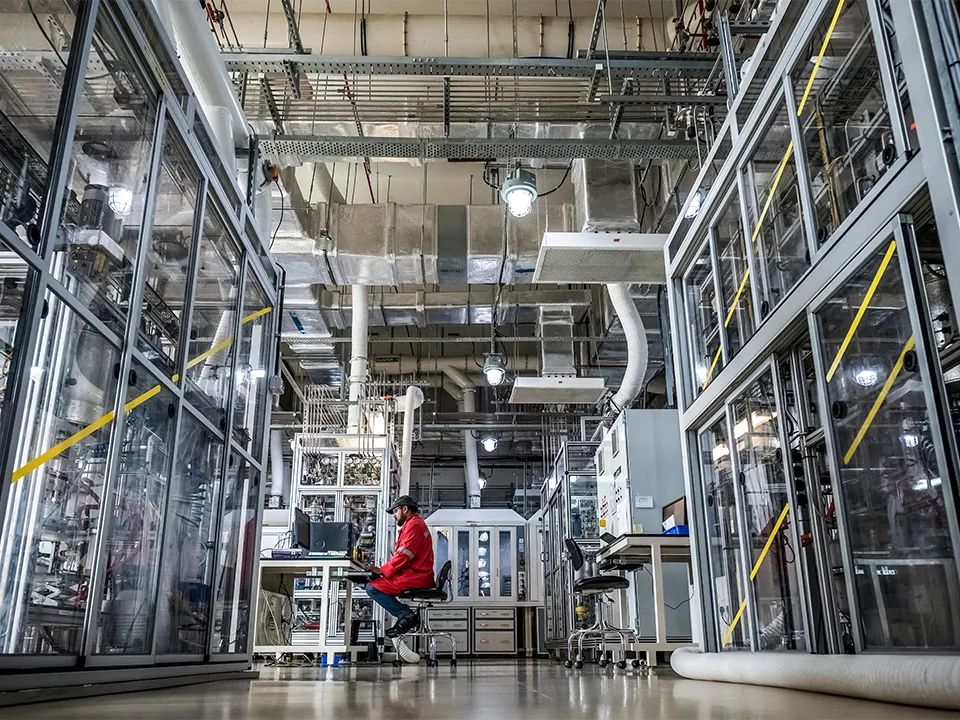
As a leader in the international bitumen trade, with a highly diverse customer base operating in 52 different countries, Shell Bitumen has a well-developed, integrated supply chain supplied by eight production sites on three continents. These days, bitumen is therefore not always produced locally, but transported in large quantities and consequently needs to be stored. Shell Bitumen can readily adapt to the changing demands of the Belgian market, thanks to its refineries in the Netherlands and Germany, its depot near Rotterdam and its unique multimodal logistics capability.
Key milestones
Over the past hundred years, Shell Bitumen has introduced several revolutionary innovations. In 1923, the company was granted its first patent. In 1949, it published The Shell Bitumen Handbook, a true industry reference that is now in its sixth edition. In 1967, it launched Shell Mexphalte C, the first pigmentable synthetic binder. In 1988, it developed Shell Tixophalte®, a professional sealing compound that is now used everywhere, from major industrial dams to everyday applications around the home and garden. In 2007, Shell launched Shell Bitumen Fresh, the first bitumen solution capable of neutralising the characteristic ‘asphalt smell’. In 2019, Shell Bitumen FreshAir followed, the first low-odour bitumen variant, which also improves local air quality.
Further progress
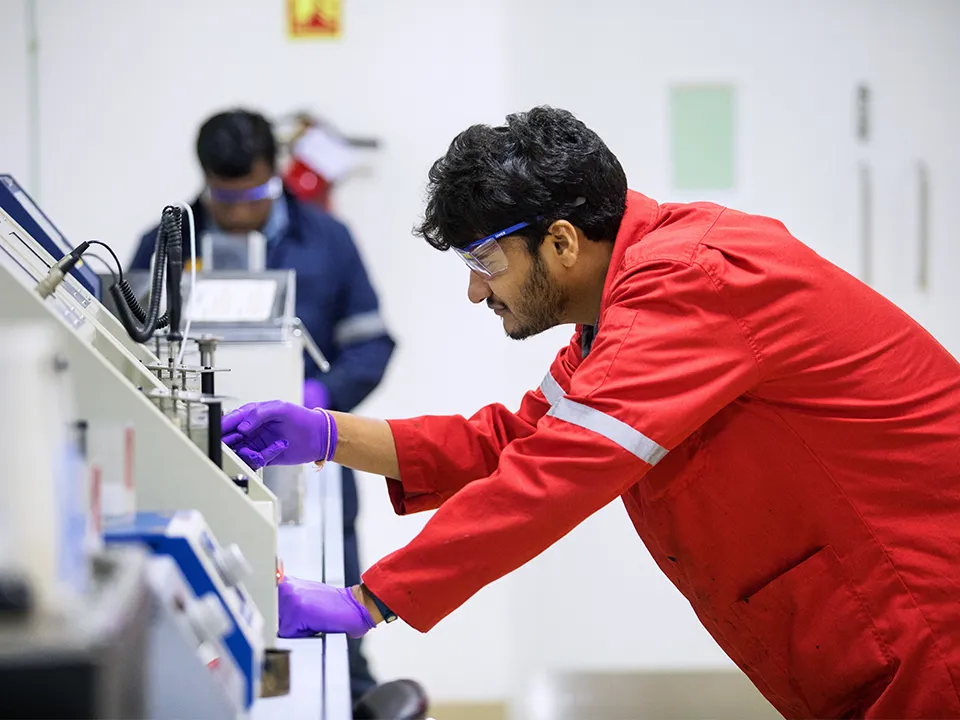
With more than two hundred ‘inventions’ related to bitumen and asphalt, Shell Bitumen can rightly be called a pioneer. It has four state-of-the-art innovation sites, including the world’s largest bitumen R&D centre, in Bangalore, India. It also has two innovation centres in Asia, in Thailand and China, and a European research centre in Illkirch, near Strasbourg and the Franco-German border. The latter serves customers throughout Europe and houses a large laboratory, among other facilities, dedicated to a wide range of testing and the development of new solutions.
A more sustainable future
As part of its mission to develop more environmentally friendly solutions and contribute to creating a more sustainable future, Shell aims to reduce its net CO2 emissions to zero by 2050. Shell Bitumen and its innovative solutions have an important role to play in achieving this ambition.
Asphalt production is energy-intensive and generates CO2 emissions. By lowering the temperature during the production process, Shell Bitumen reduces energy consumption and the associated emissions. Shell’s pigmentable synthetic low-temperature binders (Mexphalte C LT) have already been used on major tunnel projects. They can be found in the Grouft and Stafeltert tunnels in the Grand Duchy of Luxembourg and the Tunnel du Chat in France, among others.

Shell Mexphalte C LT makes it possible to produce a lighter-coloured asphalt layer with higher reflectivity, reducing the cost of tunnel lighting and improving safety. This is particularly important when entering tunnels, as the entrance often creates a shadow zone. As a low-temperature application, Shell Mexphalte C LT is suitable for asphalt production at temperatures between 130 and 150 °C, resulting in energy savings and lower CO2 emissions. A 30 °C reduction in production temperature saves 0.9 litres of fuel and up to 2.4 kg of CO2 per tonne of asphalt (Source: DAV, guidelines on warm asphalt from the German Bitumen Association).
Road construction can also have a negative impact on air quality. Shell Bitumen is the first major bitumen supplier to develop a solution to reduce the impact of asphalt production and laying on air quality. Compared with conventional bitumen, Shell Bitumen FreshAir® reduces emissions of NOx, SOx, VOCs, CO and particulate matter by an average of 40 %, while also neutralising all unpleasant odours.
Shell Bitumen has ten decades of experience in the innovative development of more energy-efficient products and the search for new road construction solutions. Shell’s technical experts will continue to do their utmost to reduce the environmental impact of bitumen, particularly by further reducing the carbon footprint of their products and enhancing their circular properties.
Question about this story? Ask your question
Keep following this
Get an email when a new story is published. No account needed.
- SubjectGeneral







