Upgraded interchange improves safety for vulnerable road users
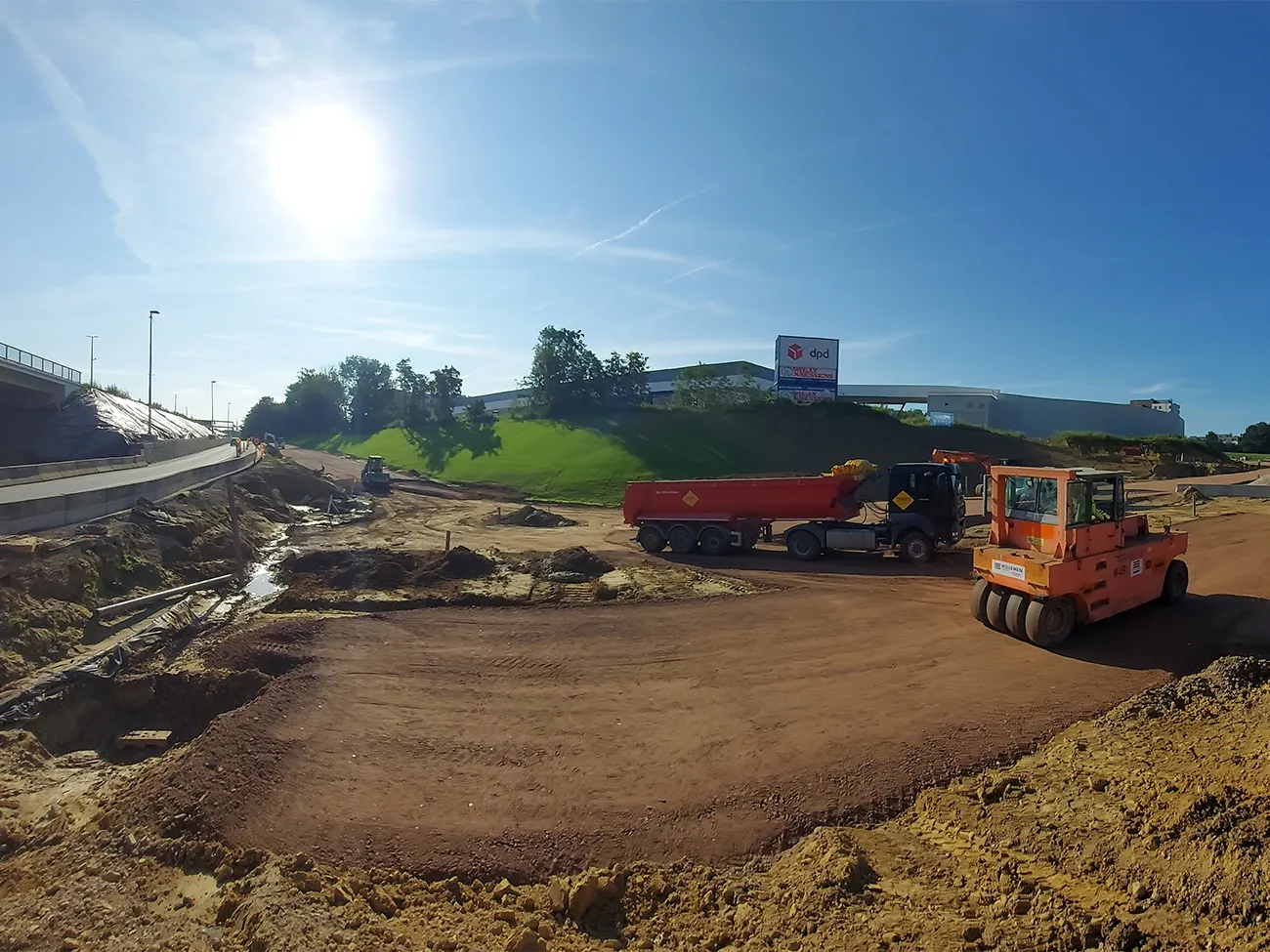
The interchange at Medialaan and Tyraslaan (N209) in Koningslo (Vilvoorde) is currently undergoing a complete upgrade. Willemen Infra is leading the works on behalf of De Werkvennootschap, the project company established by the Flemish Government to deliver major infrastructure projects in an integrated and coordinated way. At the same time, the R0 bridge over the N209 is being refurbished, including the replacement of its expansion joints and safety barriers. The underside of the bridge is being fully refurbished, with concrete repairs, anode installation and a new coating. This will extend the service life of the structure.
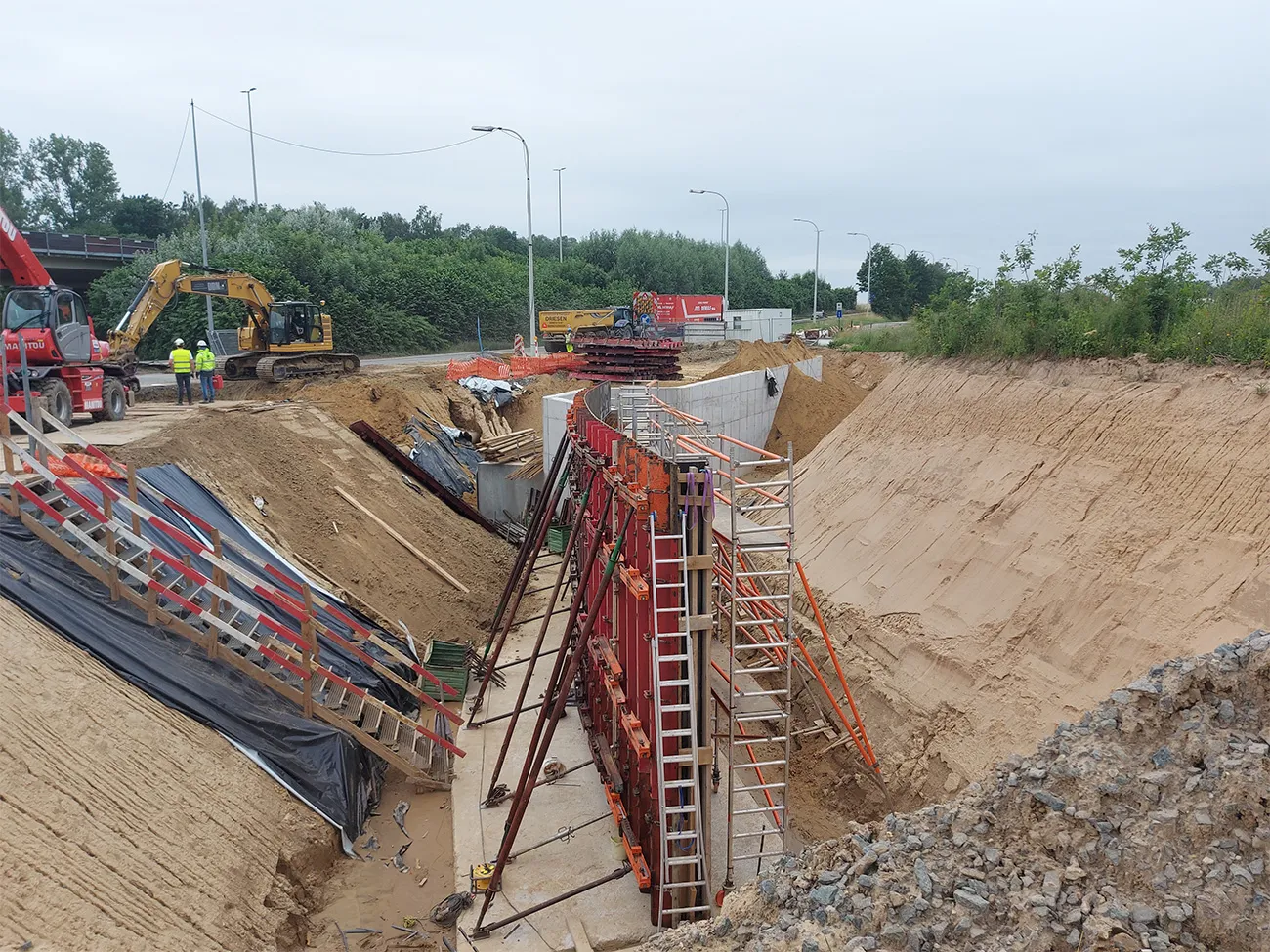
The project places a strong emphasis on the safety of vulnerable road users. A ‘flying’ footbridge for cyclists and pedestrians will allow them to cross safely and without obstruction. Making the road infrastructure for motorised traffic more compact will also free up space for greenery and green corridors. Specifically, Willemen Infra is extending the service life of the existing structure and making the road infrastructure more compact. It is providing safe infrastructure for vulnerable road users by building three cycle bridges over the existing slip roads and a local road. The new cycle bridges will also connect to the R0 cycle highway, and space is being provided for a green corridor between the park areas.
“This is essentially a complete reconstruction of the interchange to separate car traffic from cycle and pedestrian traffic. That is the main objective,” says Wim Van Leeuwen, project manager at Willemen Infra. “We are doing this by building three cycle bridges and associated footpaths. This will eliminate potential conflicts between motorised traffic and vulnerable road users. The project started in May this year and has a budget of 16 million euros. The works themselves are divided into 8 different phases, with the aim of causing as little disruption to traffic as possible.”
Minimising disruption
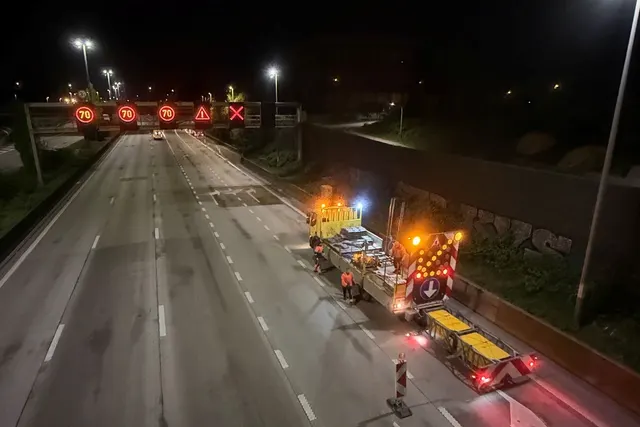
Minimising disruption is an important priority on this project. Wim Van Leeuwen says: “Traffic will continue to flow throughout the works, albeit with reduced capacity. A substantial amount of temporary road infrastructure has been provided, the central reservation has been temporarily paved, and the verges are being used as temporary slip roads. The exit from the inner ring road and Medialaan were closed for three weeks and two weeks respectively, as there was no alternative. Willemen Infra aims to minimise disruption to the surrounding area on every project, and this one is no exception.”
Ecological crossing
One notable feature of the project is its focus on vulnerable road users, including in the temporary road layout. Wim Van Leeuwen says: “A temporary route is being provided for cyclists and pedestrians throughout the project, separate from motorised traffic. The entire upgraded interchange also incorporates extensive green infrastructure, including wildlife culverts and eco-fencing. These features are also integrated into the cycle bridges, providing optimal protection for wildlife. The three new cycle bridges are 10 m wide, with around 3 m of each devoted to greenery.”
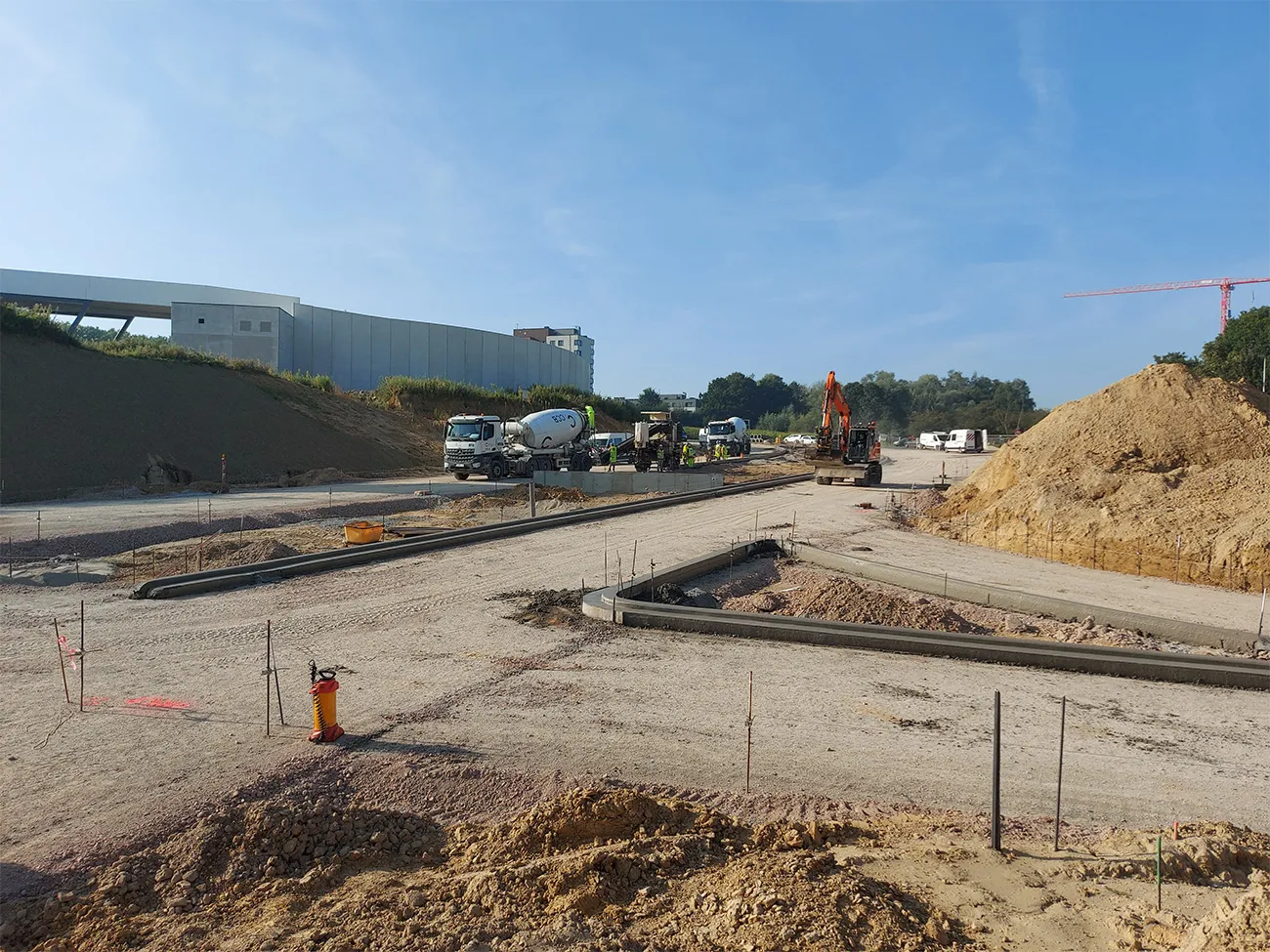
The roadworks are currently around 80 per cent complete. “Traffic is already using the new roads,” says Wim Van Leeuwen. “There are now about three phases left, mainly to complete the ecological and cycle crossings. The three cycle bridges are being raised beneath the R0 bridge using Argex, to avoid adding weight to the ring road bridge. The final phases will also include some smaller works, such as construction of Medialaan and the slip road onto the outer ring road. We are currently well on schedule and even slightly ahead. That is no bad thing, with the winter months ahead.”
A challenging project to suit
This project is ideally suited to Willemen Infra, but even projects that play to the company’s strengths have their challenges. Wim Van Leeuwen says: “On the one hand, there are the many different techniques involved. In fact, every aspect of road construction features here: structures, cycle bridges, grout walls, ecological crossings, large culverts, deep sewers, traffic-dependent phasing, the roadworks themselves …
That certainly makes the project unusual. A second challenge is undoubtedly the construction period, with a completion time of 430 calendar days. This also means a tight schedule of phases and a lot of weekend and holiday-period working, to keep disruption to traffic to a minimum.”
Planning and phasing are therefore crucial. “But combined with our broad expertise, they are one of Willemen Infra’s major strengths. We draw on extensive experience of similar projects involving a range of disciplines. Another major advantage of Willemen Infra, and the wider Willemen Groep, is that we carry out a great deal of the work ourselves, from all the structures and abutments to the road and sewer works,” concludes Wim Van Leeuwen.
Question about this story? Ask your question
Keep following this
Get an email when a new story is published. No account needed.
- ProjectOp- en afrittencomplex Medialaan en Tyraslaan
- SubjectRoad construction