Renowned consultancy tackles complex study work on the A8
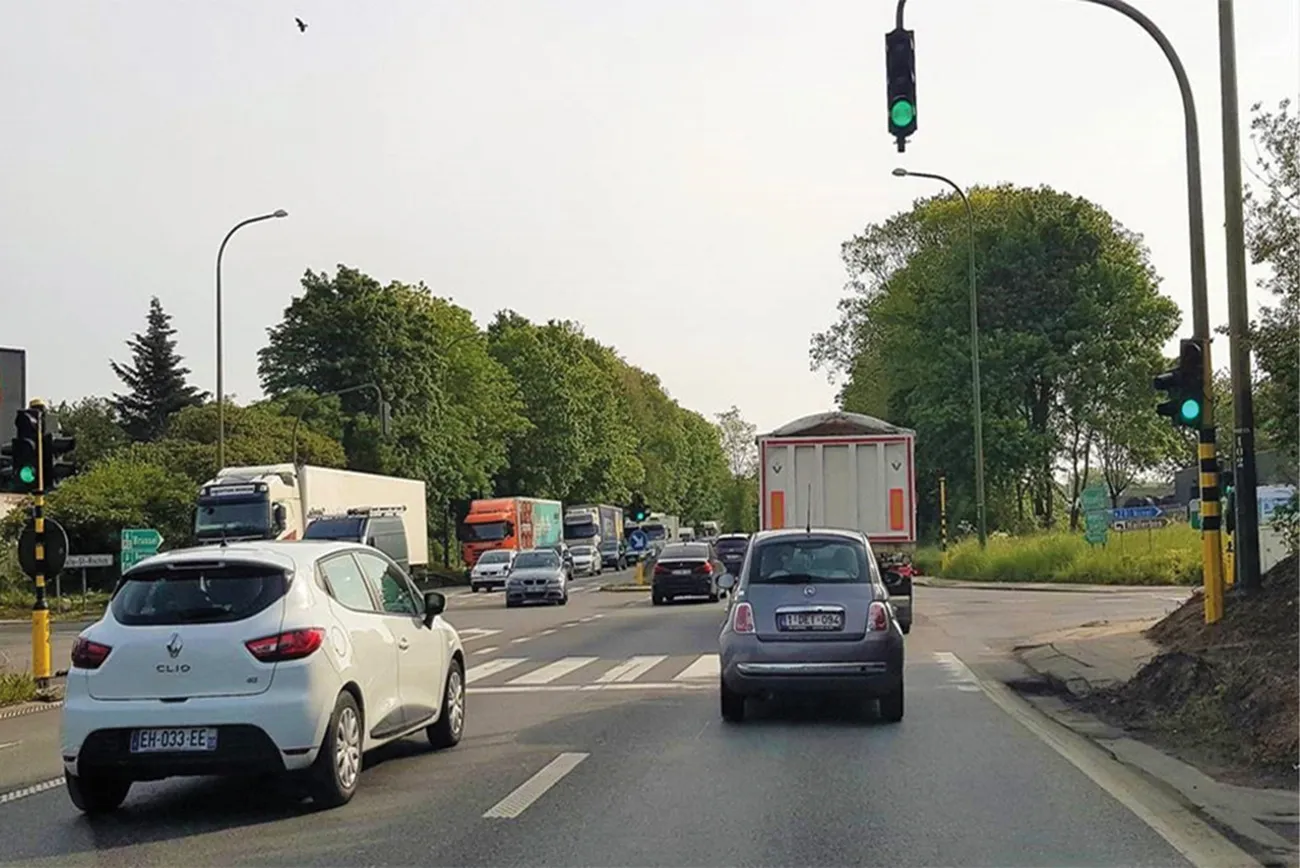
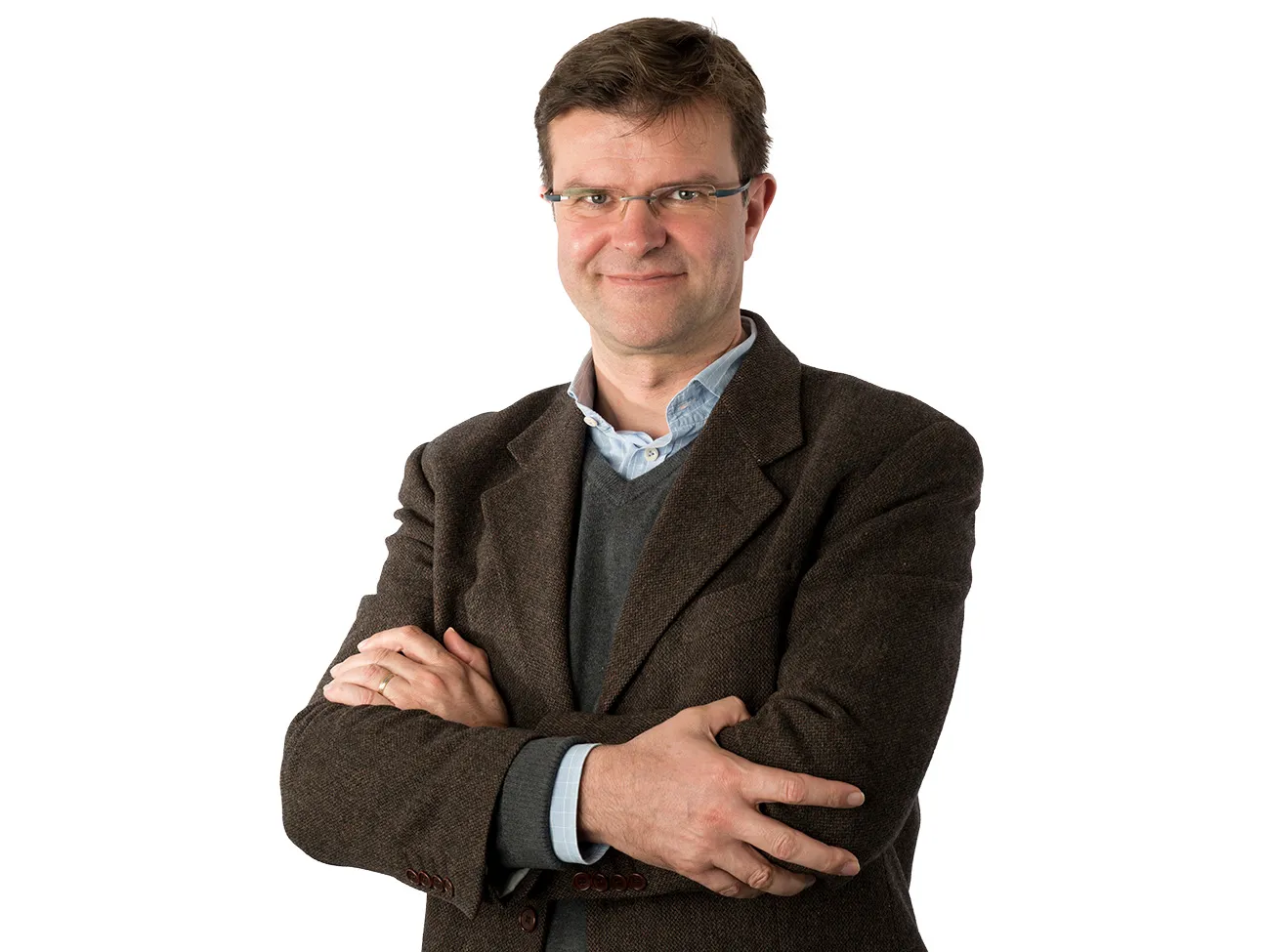
For around 50 years, the junctions on the A8 in Halle have caused dangerous traffic situations and queues stretching back to the Brussels Ring. Since June 2022, engineering consultancy Sweco has been carrying out a study on behalf of De Werkvennootschap, focusing on safety and sustainability within the parameters set by the Flemish Government. “This is a very complex project with an exceptionally large number of stakeholders, but this is the kind of project where Sweco can make a difference,” says Frank Vanbossuyt, project manager at Sweco.
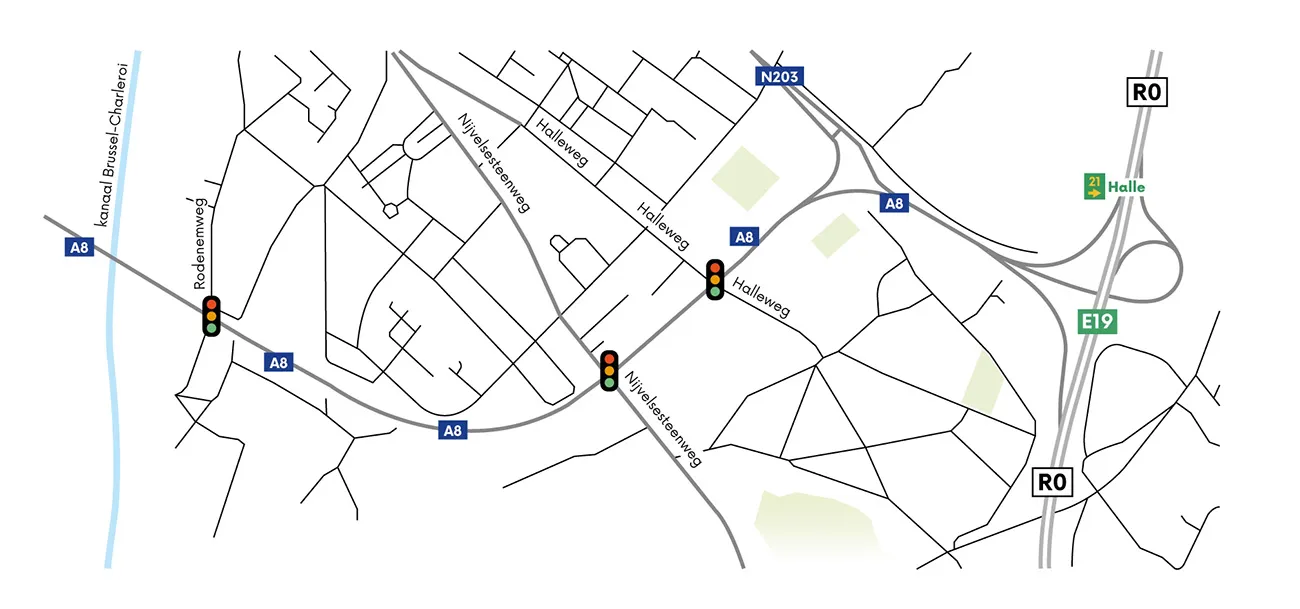
The signalised junctions along the A8 allow road users to cross the road at several points or join and leave it. At the same time, the traffic lights create dangerous situations and regularly cause traffic to grind to a halt. This leads to numerous traffic jams and disruptive rat-running through the centre of Halle and the surrounding residential neighbourhoods. This is unsafe and detrimental to the quality of life of local residents. The Flemish Government has stipulated that the road will be tunnelled between Halleweg and Nijvelsesteenweg, and that a solution must be found for access to the Rodenem neighbourhood. Within this framework, De Werkvennootschap is examining all the options for delivering the project.
Traffic flow and quality of life
Experienced engineering consultancy Sweco was brought in to carry out the study and design work. Frank Vanbossuyt: “Because of the three signalised junctions near Halle, the A8 is not classified as a main road, even though it should be. The aim is both to remove these junctions to improve traffic flow and to improve the quality of life in the surrounding area. The A8 currently cuts a neighbourhood in two, so that connection needs to be restored. After first taking stock of all the previous studies, we are looking for useful elements. We have also carefully mapped all the problems associated with the A8 and have now started work on the initial memorandum, setting out possible solutions.”
Stakeholders
For De Werkvennootschap, it is important to keep everyone as well informed and involved as possible. Authorities, government departments, businesses, schools and associations are being contacted and will be able to give their views on the various scenarios and possible solutions. Frank Vanbossuyt: “We will then take that input on board and work together towards a preliminary design that has broad support and offers a sustainable solution for all residents and road users. We have identified around 70 stakeholders, which is well above average for a project of this scale. Getting all those parties more or less on the same page is certainly the biggest challenge and is particularly time-consuming. But we are convinced that this work is very valuable in securing support and ensuring the project progresses.
Multidisciplinary
This huge infrastructure project is also a good fit for Sweco’s technical expertise. “It is certainly no easy project. At one point, two main roads come together, with all the associated traffic movements and slip roads. Given the limited space, this is a very complex junction to untangle. But Sweco is keen to take on these more challenging projects, because that is where our multidisciplinary expertise can add significant value. That is Sweco’s strength. We have the right specialists in-house to handle every aspect. For this project, we are also receiving support from stakeholder management specialist Common Ground. De Werkvennootschap has also procured this project as a DBFM project, which involves a specific type of procurement. Sweco has the necessary experience and capacity for that too,” concludes Frank Vanbossuyt.
If there are no major obstacles, the study work will be completed by the end of 2023, and the search for a contractor will begin in 2024. The works are expected to start in 2025.
Question about this story? Ask your question
Keep following this
Get an email when a new story is published. No account needed.
- SubjectRoad construction