Renovation of Gentbrugge Viaduct enters second phase
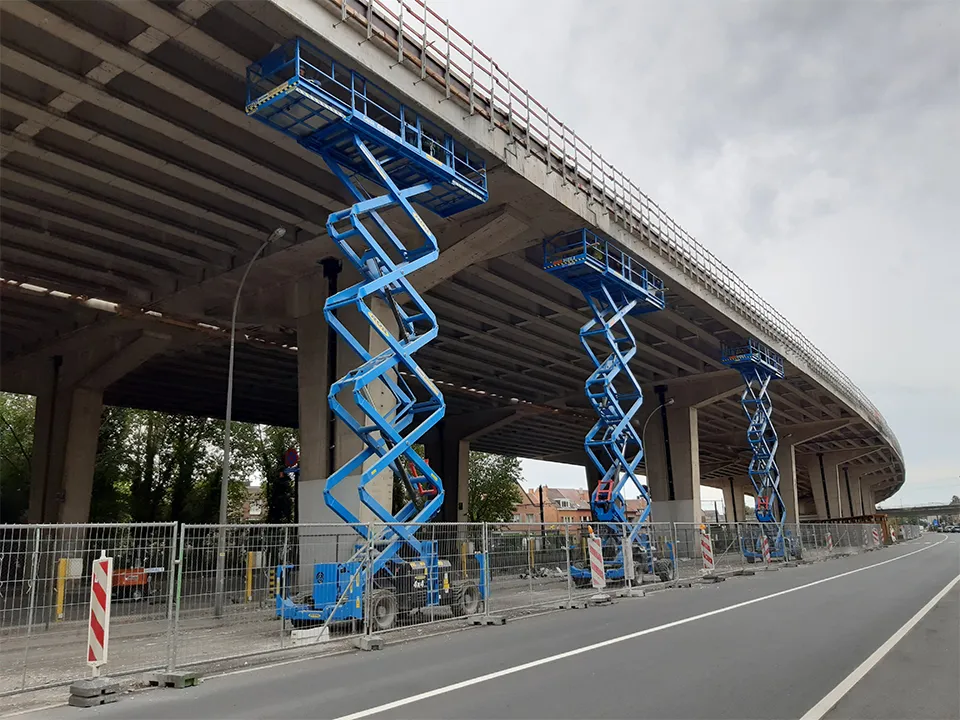
The major renovation of the viaduct in Gentbrugge is progressing well and according to schedule. In February, work began on the second phase, which involves the section of the viaduct towards Antwerp.
Willemen Infra is leading the major works as main contractor and has called on specialist Zabo for the drilling and sawing. “Broadly speaking, this is a conventional bridge renovation, but over a length of 1.6 km,” says Yves Henderick, Project Leader for Civil Engineering at Willemen Infra.
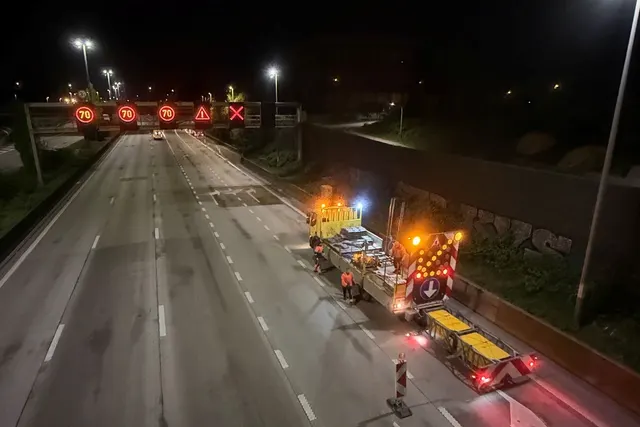
Both the top and underside of the 1.6 km-long viaduct are undergoing a thorough overhaul. The road surface is being renewed, including all the joints, waterproofing, noise barriers and guardrails. The underside of the viaduct is also being thoroughly repaired, starting with concrete repairs to the piers and soffit. Both will then receive a protective coating. During the works, traffic on the E17 will have two lanes in each direction on the carriageway where no work is taking place. From February to November 2021 inclusive, only the slip road onto the E17 towards Antwerp will be closed. Under the viaduct, all roads, cycle paths and footpaths can remain open, except for a number of days or nights at each underpass. The towpaths beneath the Scheldt Bridge will also remain open.
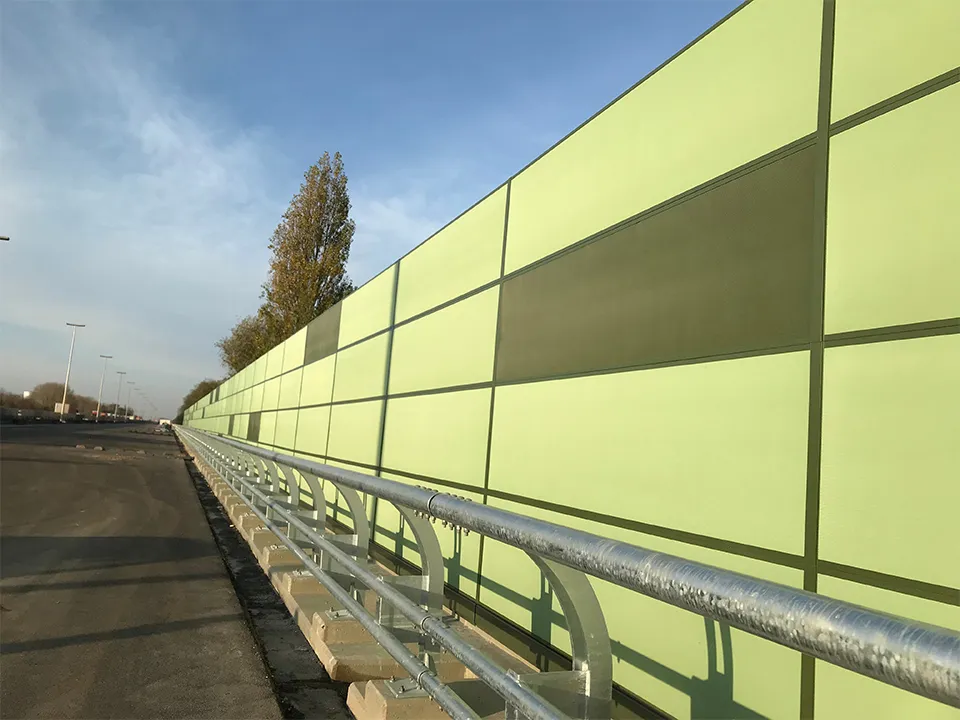
The viaduct renovation is being carried out in two major phases. The first phase, covering the viaduct towards Kortrijk, was completed at the end of 2020, and preparatory work for phase two began in February. Yves Henderick: “Broadly speaking, this is a conventional bridge renovation, but over a length of 1.6 km. The existing bridge structure is being stripped back to the final bridge deck. This includes the noise barriers, guardrails and asphalt, as well as the deck joints and street furniture. Concrete repairs will then be carried out where necessary, new footpaths will be concreted, and edge beams and plinths will be installed for the new noise barriers and guardrails, respectively. We are also providing a new central reservation with precast Jersey barriers. As part of the same project, the Gentbrugge motorway service area is being redeveloped and the bridge over the Scheldt is undergoing a thorough renovation, both above and below.”
Polyurethane joints
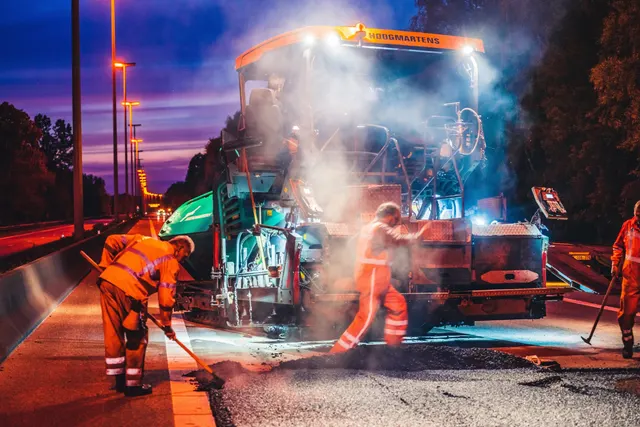
Preparatory work is currently in full swing. Yves Henderick: “The noise barriers are being dismantled, the guardrails removed and the asphalt taken up… A typical start to this kind of work. The asphalt is then relaid, including all the necessary epoxy scratch coats and waterproofing. For the bridge deck joints, we will use polyurethane joints. Willemen has exclusive rights to this type of joint in Belgium. There are 48 polyurethane joints every 35 m along the bridge deck. These joints provide a much smoother ride and are quiet and completely watertight. The viaduct previously suffered from water seeping through the deck joints, but this problem will also be resolved by the renovation. Extensive work is also taking place beneath the bridge. Deteriorated concrete is being removed and repaired with mortar. The piers are also being fitted with cathodic protection.”
A broad range of work
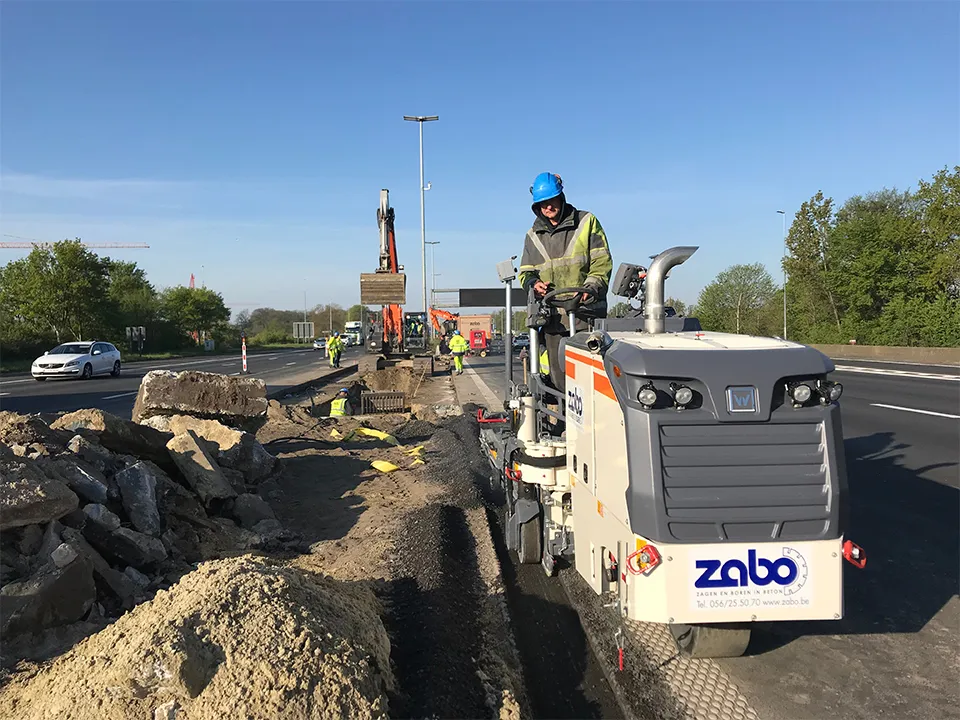
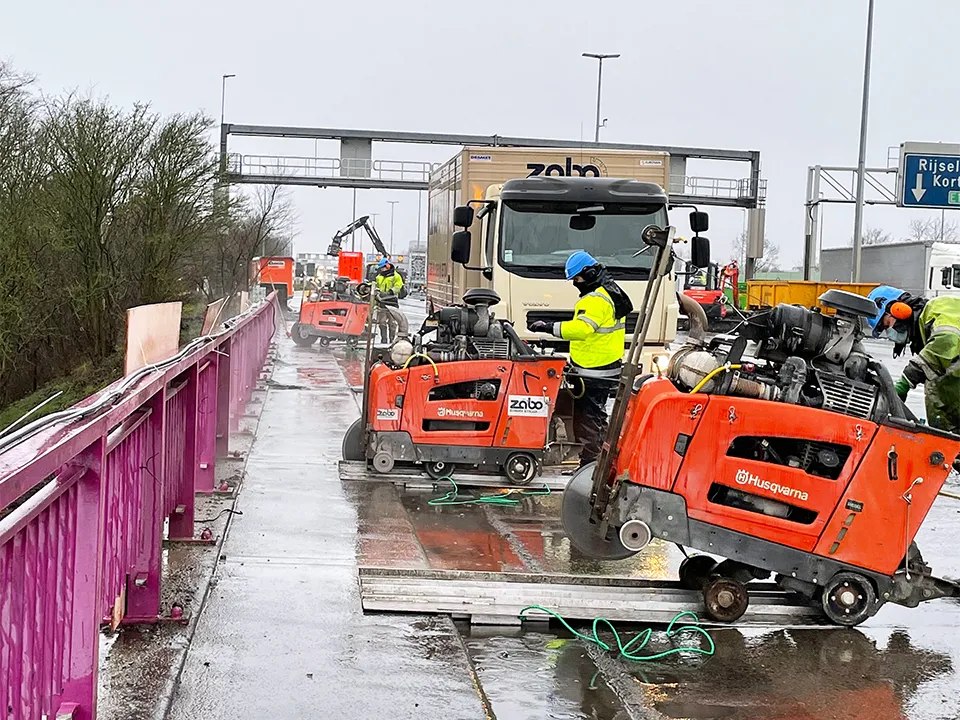
Zabo, a specialist in sawing and drilling, has been brought in to carry out the sawing and drilling required to demolish the existing structure. “We are carrying out a broad range of work on the viaduct, in both phase 1 and phase 2,” says David Clinckemaillie, managing director at Zabo. “For example, we are sawing through a 30 m-thick concrete beam along the entire 1.6-kilometre stretch. We are also carrying out thousands of drillings to install a specialist system to prevent corrosion in concrete columns, and, as in phase 1, making 8,500 cuts of approximately 2 m to selectively remove the concrete top layer. The bridge decks are being shot-blasted along their entire length and width to ensure adhesion of the new layers. Finally, we are also cutting through metal profiles using a diamond wire and carrying out small drillings to anchor the new expansion profiles in the bridge.”
Zabo also began phase two of the project in early February. David Clinckemaillie: “We have four sawing teams at work. Looking at the two phases as a whole, this is the largest project Zabo has ever carried out. It is also a perfect fit for our core business. We have both the capacity and the resources to respond quickly and keep the work moving. That is a major advantage, as is our wide range of services. Turnkey projects are right up Zabo’s street. From shot-blasting and sawing to milling and drilling, we provide a single point of contact for all these different operations.”
Noise-reduction measures
This project is an ideal fit for both Zabo and Willemen Infra. “We are very familiar with this conventional approach to bridge renovation, and the scale of the project is well within our capabilities. Willemen Infra handles all aspects of the project in-house, from conventional bridge construction and civil engineering to renovation and asphalt works. We only call on trusted subcontractors for highly specialised work, as we have done with Zabo on this project. This allows us to coordinate everything perfectly.”
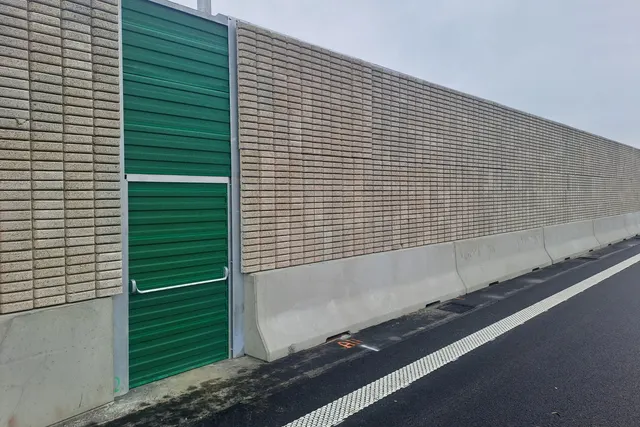
The project’s standout features are undoubtedly its noise-reduction measures: sound-damping polyurethane joints, a low-noise asphalt surface course and new noise barriers that are 1 m higher than the old ones. “To accommodate the forces exerted by the barriers on the bridge deck, triangular concrete trusses have been integrated between the two outer girders at 2 m intervals. These provide reinforcement and extra protection in the event of a collision,” concludes Yves Henderick.
Question about this story? Ask your question
Keep following this
Get an email when a new story is published. No account needed.
- SubjectRoad construction