Port of Antwerp invests more than €40 million in cycle paths
Port of Antwerp has been working for several years on ways to improve mobility in and around the port. Cycling has an important role to play in commuting. To encourage even more people to cycle, every company needs to be accessible safely and comfortably. That is why Port of Antwerp will invest more than €40 million over the next 10 years in more and better cycle paths. The aim is to provide a segregated asphalt cycle path to every company in the port.
More and more employees in the Port of Antwerp are cycling to work. Port of Antwerp has launched a number of initiatives to make the port more accessible to cyclists, such as the Fietsbus and DeWaterbus. Many employees can also lease a reliable electric bicycle through their employer.
Setting the bar high
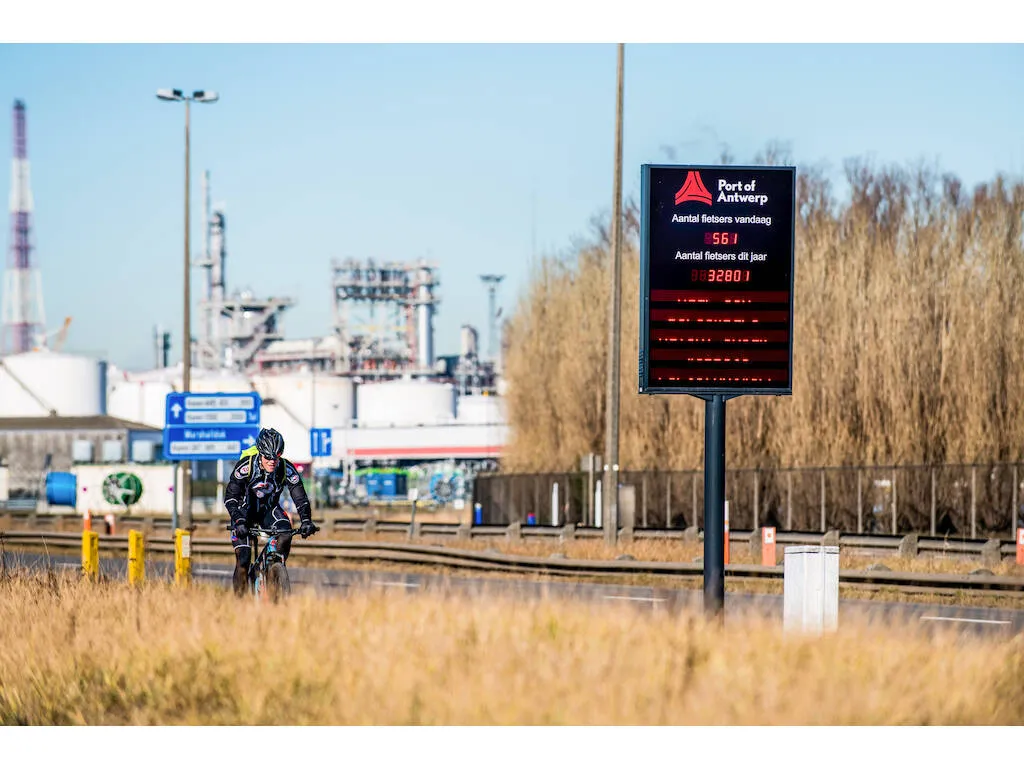
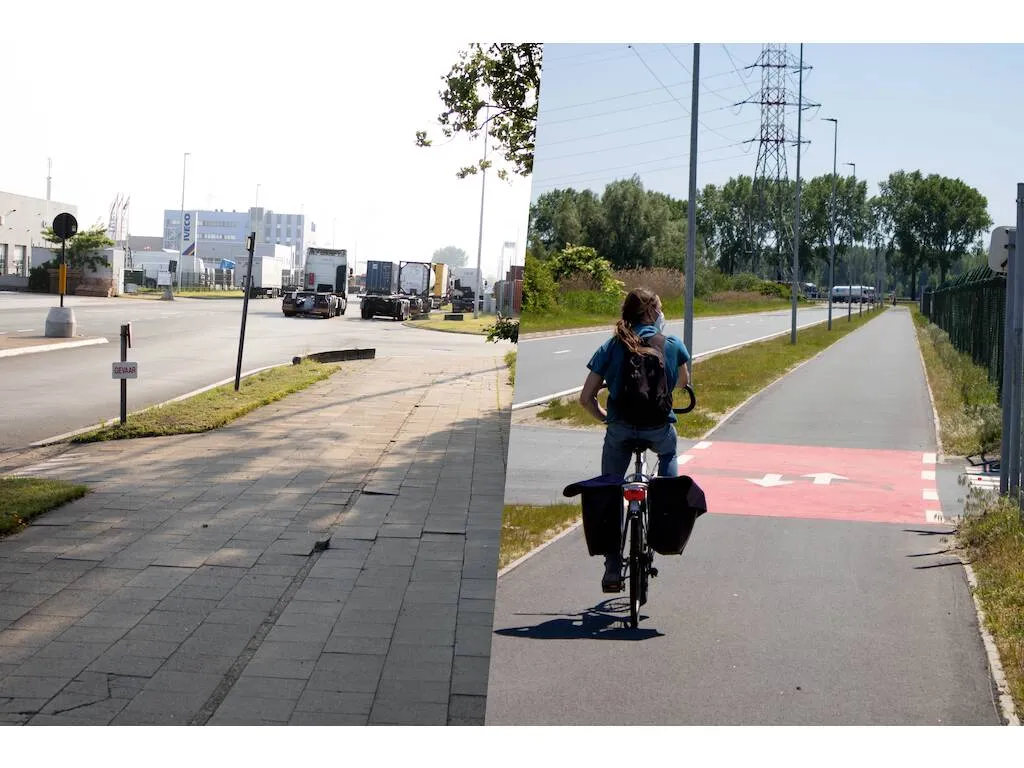
The port area has an extensive network of more than 200 km of cycle paths. Port of Antwerp commissioned an inventory and assessment of all these paths, and had a vision for the future drawn up. This resulted in a master plan to make cycling safer and more comfortable. Port of Antwerp is setting the bar high, with a segregated asphalt cycle path planned to every company. To achieve this, 115 projects will be carried out over the next 10 years. They will address both structural shortcomings on main routes and problems on the final stretch to companies. The first phase will see missing cycle paths built, followed by paths that do not meet the required standards.
A budget of €40 million has been earmarked for these projects. A further €4 million has been set aside for design, preparation and supervision costs. An approach will now be drawn up for each project, including identifying the partners involved, such as Infrabel for level crossings. The project schedule will, of course, also take account of works that are already planned.
Part of a broader approach
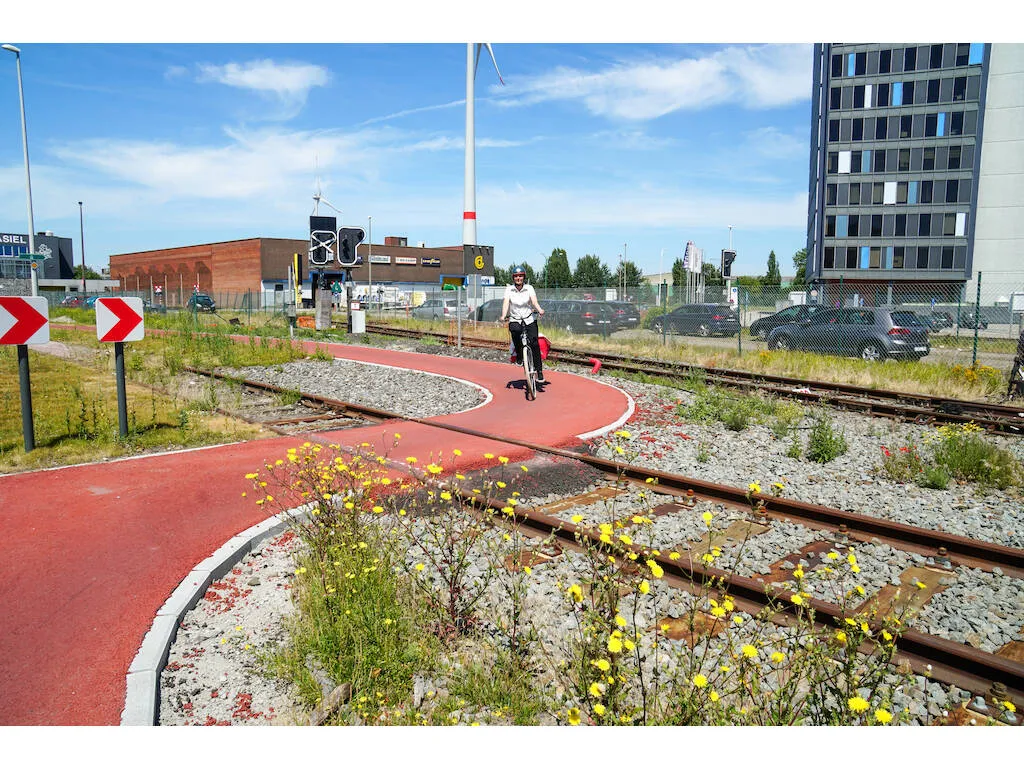
The master plan investments form part of a comprehensive approach to making cycling a fully fledged commuting option in the port. Several years ago, Port of Antwerp began promoting cycling, both in words and in deeds. The Fietsbus and DeWaterbus are clear examples. Other cycling projects have also been under way for some time. The most dangerous railway crossings have been addressed, for example. Where a cycle path crosses the railway at too shallow an angle, there is a risk that a bicycle wheel will become trapped in the track, causing the cyclist to fall. The cycle path at these crossings has therefore been curved so that it crosses the tracks at right angles. There is also a focus on safe crossings at the locks. Most of the locks were built a long time ago, and the bridges over them do not have enough space to separate cyclists from trains, cars and lorries. This issue has already been resolved at the Royerssluis, where one traffic lane has been converted into a cycle path. The new Boudewijnbrug, due to open in 2022, will have a separate cycle path. Later this year, a new, safer solution for cyclists will also be introduced at the Berendrecht- and Zandvlietsluis.
Going the extra mile
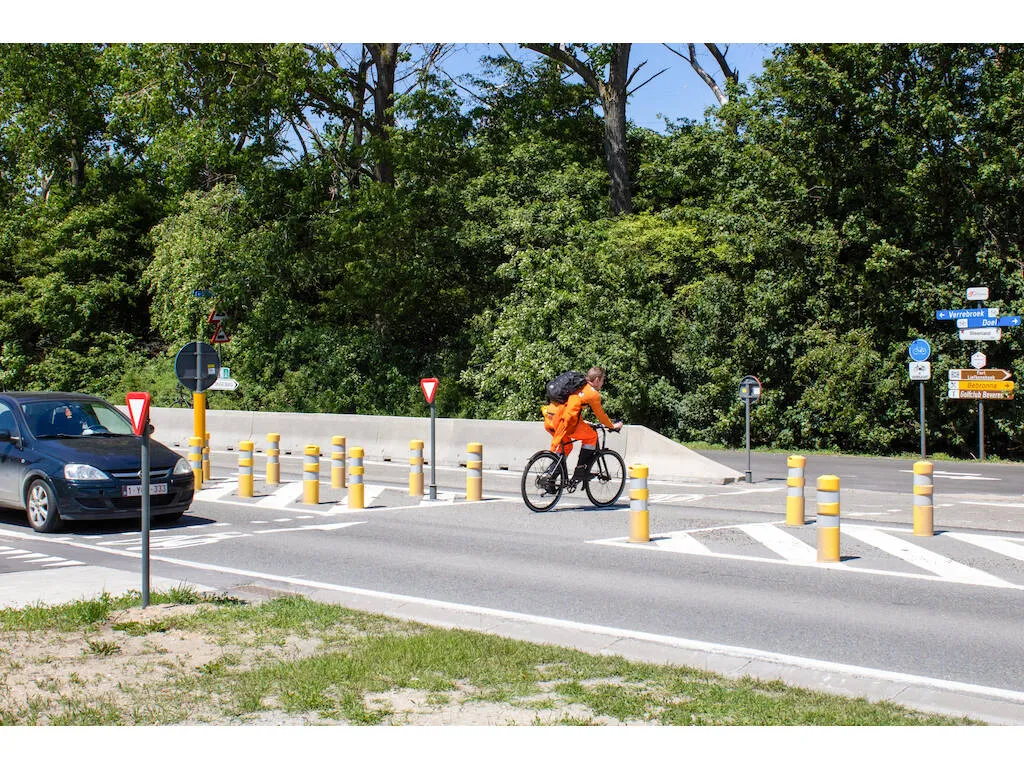
Finally, Port of Antwerp did not wait for the master plan before tackling around ten known problems. These include both missing sections of cycle path and dangerous situations. Some of the projects have already been completed, including the crossing of the Steenlandlaan at the Fabriekstraat. The others will be completed this year and next. Port alderwoman Annick De Ridder said: “With this investment, we are going more than the extra mile in our efforts to encourage people to cycle to and from work in the port. We are setting the bar very high: a segregated asphalt cycle path to every company, with safety the top priority. We are investing more than €40 million over the next 10 years. Our goal is clear: the number of cyclists in the port must continue to grow, in a responsible way.”
Question about this story? Ask your question
Keep following this
Get an email when a new story is published. No account needed.
- SubjectRoad construction