A sustainable solution for walking routes
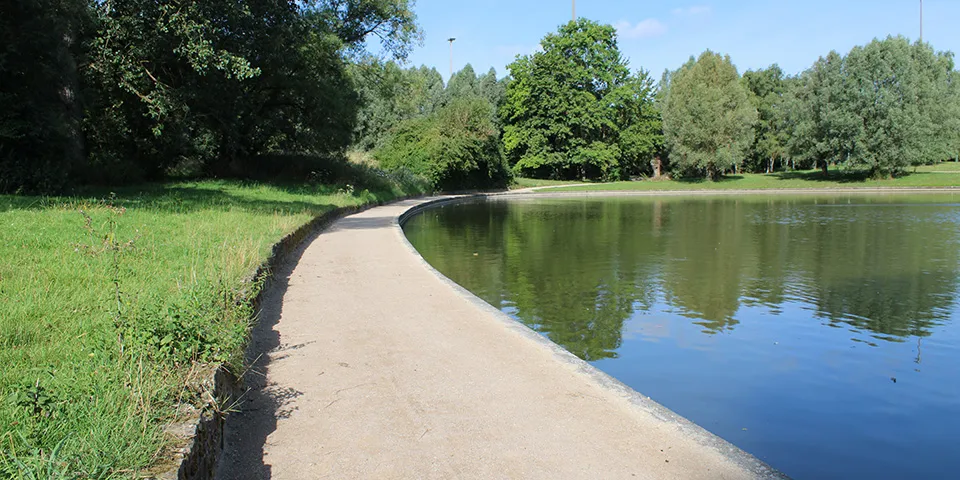
Sea levels are rising and the climate is changing as a result of global warming. This climate change is causing extreme downpours and prolonged wet periods, increasing the risk of flooding and waterlogging. Urbanisation, in turn, is leading to more buildings and paved surfaces, leaving fewer opportunities for excess water to infiltrate and putting sewers under greater strain. With its sustainable semi-bound surfaces, Koers bvba offers a solution to this problem.
The use of concrete and asphalt raises temperatures, making cities up to 7 degrees warmer than rural areas. The need for environmentally friendly paving materials is therefore clear. Koers produces and supplies such sustainable, environmentally friendly semi-bound surfaces for improving unpaved routes, recreational walking and cycling routes, and paths in parks and across rural landscapes. Twenty years ago, the company, originally from the Netherlands, was asked by Staatsbosbeheer, the Dutch state forestry and nature conservation organisation, to help devise an alternative to the shell paths that stretch for many kilometres across the northern Netherlands. Harvesting shells is harmful to the Wadden Sea environment, and shell paths are also highly susceptible to weed growth and quickly need repairs.
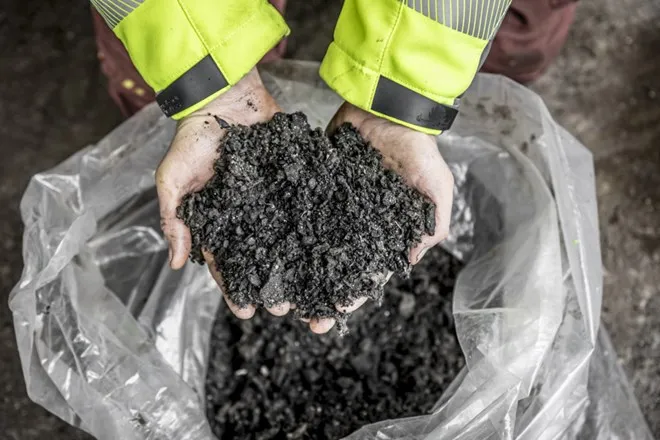
Last summer, many of the existing dolomite paths in Vijverspark in Anderlecht were replaced with Koersmix, specifically KoMex® BIO naturel
Renewable raw materials
“We began experimenting in the laboratory with harder natural materials, largely derived from renewable raw materials,” says Klaas J. Koers, managing director of Koers. “We also investigated what agents could be used to bind the material together more effectively. This led to the development of good new formulations, and we taught ourselves how to crush, wash and mix raw materials to make semi-bound surfaces.”
Koers tackles these problems sustainably. The semi-bound surfaces it produces and installs are made from clean, reused materials. They are also part of a closed loop, as the material can be reused time and again. Klaas J. Koers says: “Using semi-bound surfaces cannot solve climate problems, but it can make a clear, positive contribution. It means water can be absorbed in all kinds of places around the city, and trees and shrubs can grow again. That is a real gain, because greater water absorption and more greenery have a cooling effect.”
Vijverspark
Last summer, many of the existing dolomite paths in Vijverspark in Anderlecht were replaced with Koersmix, specifically KoMex® BIO naturel. This type of Koersmix is also made from renewable construction materials, which Koers sorts, washes and crushes into new raw materials. At the end of its service life, KoMex® BIO can also be fully reused.
The environment is very important to Koers. “We always make the most of the raw materials available to us. Our latest development, KoMex® BIO, is a product with a renewable binder. The binder used in this semi-bound surface is plant-based and firmly bonds the individual grains together. As a result, it absorbs a limited amount of water. When this happens, minor damage is repaired: we call this a self-healing property. The mix generates less dust than other semi-bound surfaces, and the material can also withstand heavier loads. This type of binder results in a product that is more resistant to erosion and can be used more intensively,” concludes Klaas J. Koers.
Question about this story? Ask your question
Keep following this
Get an email when a new story is published. No account needed.
- SubjectRoad construction