The future of the construction surveyor
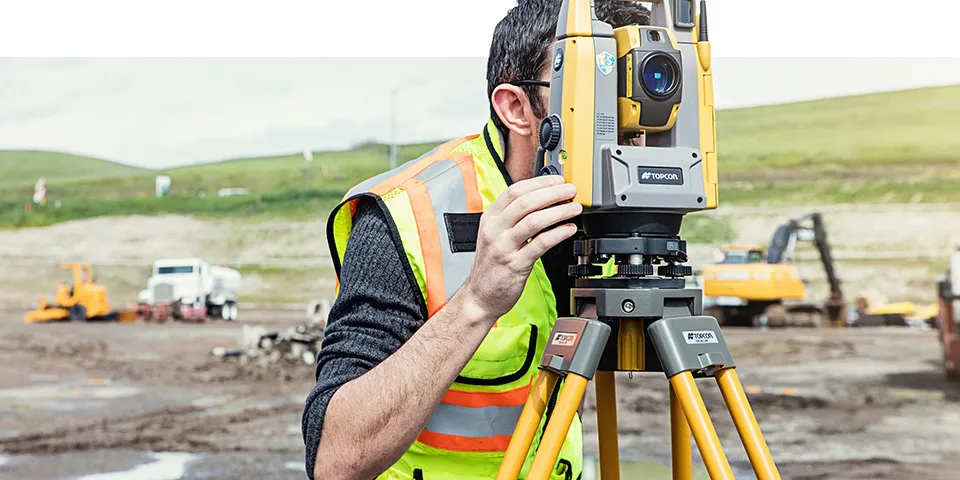
Construction, one of the largest sectors in the global economy, seems to be finding it considerably harder than other sectors to adopt new technologies and digital processes. Recently, however, there have been signs of a sea change, and a whole range of exciting innovations have already reached the market. “Technology offers the obvious answer, but the new solutions are not yet being adopted on a large scale,” says Stefan Naumann, Senior Business Development Manager at Topcon Positioning Europe.
But what do these changes mean for the requirements placed on a modern construction surveyor? In this article, Stefan Naumann explains how the sector is evolving and what surveyors need to do to stay ahead of developments. “Surveyors around the world are finding themselves at a crossroads,” he says. “In terms of supply and demand, the entire construction and infrastructure sector is facing enormous challenges. Technology offers the obvious answer, but the new solutions are not yet being adopted on a large scale.”
Tools are now available that earlier generations would have envied, and the surveyor’s role is changing along with digitalisation. Stefan Naumann says: “Many professionals still prefer the traditional methods that have served them well for years, and hesitate to switch to new technologies. The problem is that we no longer have a choice. Surveyors who do not keep up with trends and adopt new processes will be left behind.”
A change in mindset
Old habits are hard to break, but with a new and exciting era ahead, it is time for surveyors to move on from the outdated processes they learnt during their training and ask themselves whether they should approach projects differently. “To secure their own future, they need to investigate what is available now and be open to it,” says Stefan Naumann. “It is understandable that surveyors sometimes feel overwhelmed by all the new technologies and the buzzwords that come with them, such as augmented reality, virtual reality, Smart Cities, BIM, mass data processing, 4D, 5D or even 6D. But the reality is that these innovations enable them to work considerably more accurately and quickly, and bring tangible commercial benefits.”
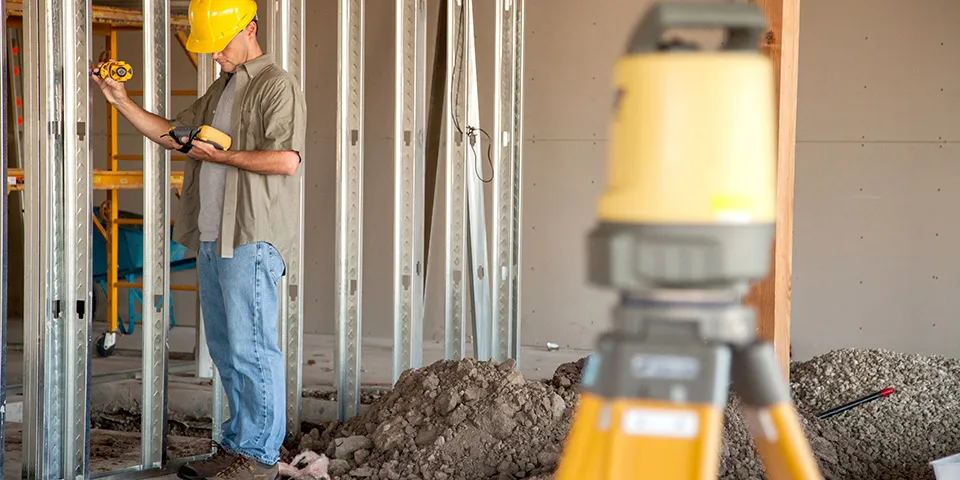
In terms of supply and demand, the entire construction and infrastructure sector is facing enormous challenges.
Everyone has experience of unforeseen geological conditions delaying projects and pushing them over budget. Stefan Naumann says: “Ground conditions often differ from earlier estimates based on surveys, forcing the project scope and design to be adjusted at the last minute, with all the associated costs. Technology can help prevent this. If surveyors want to meet their clients’ changing needs and expand their operations, they need to keep up with new ways of working and adapt their business models. It should be said, though, that the burden does not fall on surveyors alone. Technology suppliers also need to work together to develop effective solutions and educate the sector on how to use them. This will enable us to meet future needs together.”
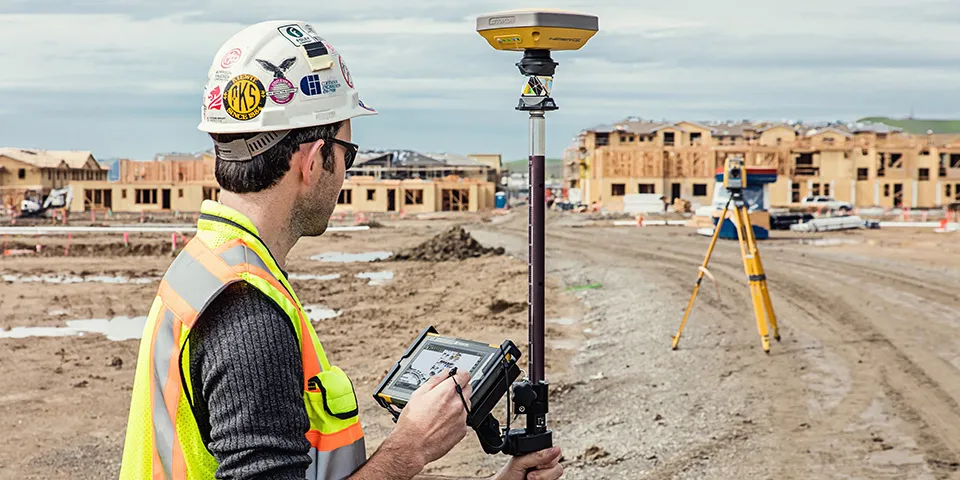
Surveying engineers have become managers of spatial data, and surveyors managers of geodata.
From surveyor to data specialist
In recent years, the role of the surveyor has shifted towards data processing. Surveying engineers have become managers of spatial data, and surveyors managers of geodata. “This shows that the value of the role lies to a very large extent in data,” says Stefan Naumann. “This is nothing new. Surveyors have always worked with coordinate systems and geolocations, and had to know what data was needed to produce the right results. But thanks to technological improvements, we can now take this to a whole new level. Surveyors are learning how to work with large datasets, use tools in the cloud, and how SaaS solutions create new opportunities and open up new areas where surveyors previously seemed to have no role.”
There is a wide choice of different types of hardware for UAVs (Unmanned Aerial Vehicles) and mass data collection in general, which can be readily integrated into inspection systems. “We should point out, though, that you do not necessarily need to be trained as a surveyor to use a laser scanner or UAV drone,” Stefan Naumann explains. “But expertise in surveying is irreplaceable when it comes to enriching datasets and making full use of this technology. Surveyors stand out from the crowd through their willingness and ability to use these new tools productively.”
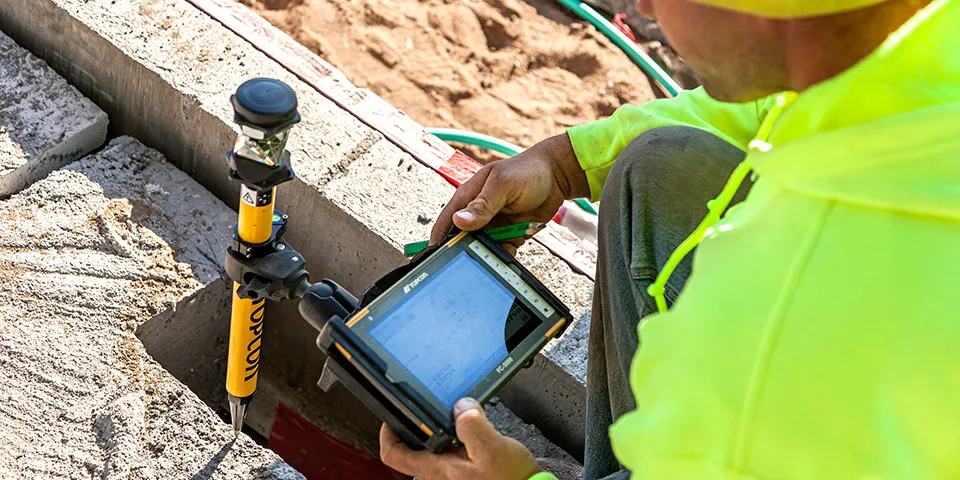
The surveying sector is undeniably undergoing rapid technological growth.
The future
The sector is undeniably undergoing rapid growth. Stefan Naumann says: “The prevailing approach, however, entails significant safety risks and simply makes it impossible to handle the enormous volume of work. That is why we are constantly looking for safer and faster ways to carry out the same tasks. It is becoming increasingly common to use UAVs and mass data technology for traditional surveying tasks. In the near future, cloud-based data storage technologies and workflows will become the standard for everyone.”
Looking a little further into the future, we can expect augmented reality solutions to take off. “All these technologies together bring us ever closer to a continuous representation of reality, with a level of efficiency also found in other manufacturing subsectors. Revenue in the inspection industry is expected to continue growing to 15 billion dollars by 2025. Some of that money is waiting for those who start integrating new technologies and business intelligence into their processes now. It is time to take action,” concludes Stefan Naumann.
Een zakelijke vraag aan Topcon? Get in touch
Companies in this story

Keep following this
Get an email when a new story is published. No account needed.
- SubjectMachines & equipment
- CompanyTopcon