“Pipelines can significantly ease the burden on traditional transport modes”
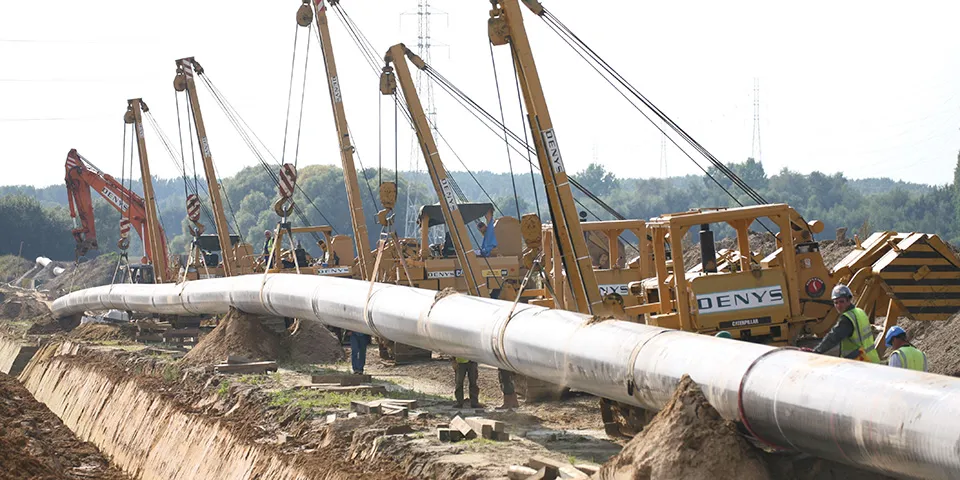
Flemish roads are groaning under the weight of traffic jams, while the rail and road networks in the Netherlands have been running up against the limits of their capacity for some time. Existing transport modes are saturated, says the Dutch-Belgian association Buisleiding Industrie Gilde (BIG). “The potential of pipelines as a means of transport remains seriously underused today,” stresses Han Admiraal, chair of BIG.
Buisleiding Industrie Gilde is an association of companies, institutions and individuals professionally or commercially involved in the field of underground pipelines. “We operate across borders and sectors, and Belgium and the Netherlands are equally represented on the board,” says Han Admiraal. “BIG has been around since the end of the last century, but today we feel more than ever that we need to make our voice heard and make the case for pipelines as a means of transport. In today’s major public debates, such as those on the environment and mobility, the role of pipelines is overlooked. We would like to change that.”

Han Admiraal, chair of Buisleiding Industrie Gilde. (Image: Koen Mol)
The fifth transport mode
Alongside road, rail, air and water, BIG sees pipelines as the fifth transport mode. Han Admiraal: “Everyone takes it for granted that water comes out of the tap and that gas, electricity, telephone and internet services are available. Wastewater from our sanitary facilities is taken to treatment plants without us giving it much thought. As a society, we are therefore hugely dependent on pipelines, but there is still considerable potential. Today, pipelines are used mainly for liquids and gases, but we could transport much more underground, from parcels and pallets to containers. The debate on transporting goods through underground pipelines has been going on for some time, but there is no clear vision or strategy.”
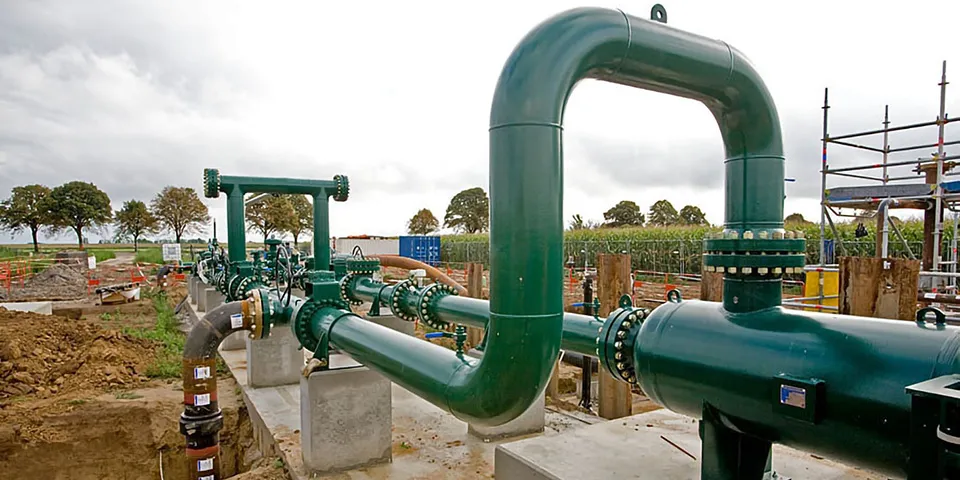
BIG highlights the social value of pipelines. They help tackle mobility problems, give the environment more breathing space, create new opportunities for open space and generate jobs.
Private and public sectors both have a role to play
According to BIG, the key lies with both private and public sector players. “The big question is: who will take the initiative, and how? On that front, we too often see both private and public sector players taking a wait-and-see approach,” says Han Admiraal. “Private sector players would like pipelines to be recognised as full-fledged infrastructure, as this brings clear benefits when planning and delivering projects. Public sector players shy away from this for fear of being landed with the bill. This traditional divide is still not being bridged sufficiently. It is also not always clear who should take the lead, or in what capacity. That is a great shame, because the basic idea is on the table and, above all, there is an abundance of technical expertise and know-how to deliver projects of this kind.”
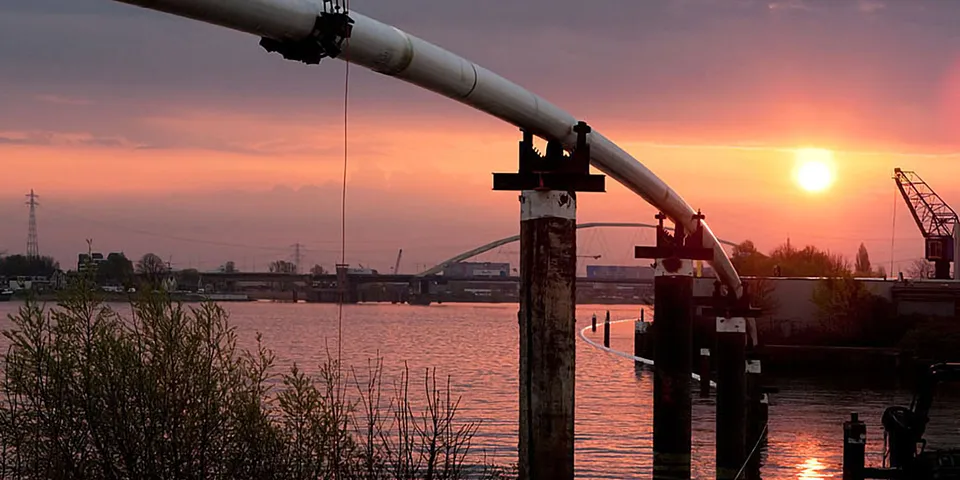
The potential of pipelines as a means of transport remains seriously underused today. (Image: Carel Kramer)
Necessity
BIG highlights the social value of pipelines. They help tackle mobility problems, give the environment more breathing space, create new opportunities for open space and generate jobs. Han Admiraal: “These are all important drivers, but the need is even clearer when you consider the capacity limits that our traditional, existing transport modes are currently running up against. We simply have no choice but to make use of the possibilities underground, but this is a long-term process. At BIG, we understand this, and as well as urging the authorities to act, the pipeline industry must also make additional efforts. Internally, we are bringing our members’ knowledge together to consider what breakthroughs we can and must drive ourselves. Making pipelines more multifunctional and flexible is one example. We also offer the Pipeliner master’s programme, a unique multidisciplinary course leading to a Master of Science in Pipeline Technology. Through the Pipeliner programme, the sector aims to further develop and safeguard standards.”
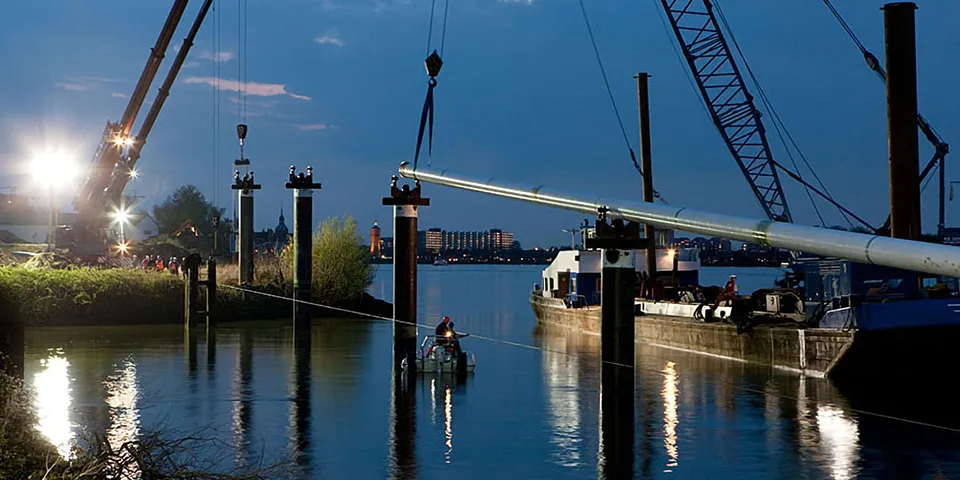
Alongside road, rail, air and water, BIG sees pipelines as the fifth transport mode. (Image: Carel Kramer)
Question about this story? Ask your question
Keep following this
Get an email when a new story is published. No account needed.
- SubjectMachines & equipment