A green lawn, even during prolonged drought
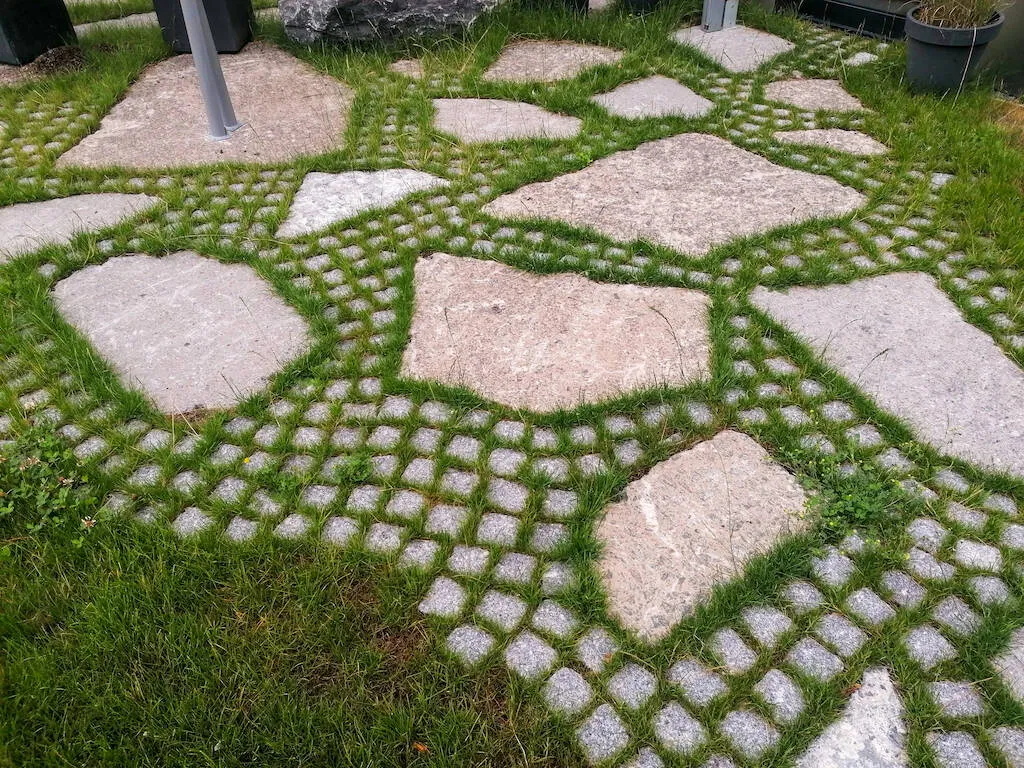
With prolonged periods of drought in recent years, the question arises of how to keep lawns green and healthy. It is all too easy to turn to artificial irrigation. If the soil structure is less than optimal, this is like trying to mop up water while the tap is still running. Acterra offers a solution for a continuously green lawn with its natural soil improver TerraViva® and its composite seed mixes, featuring mainly plants that can withstand foot traffic.
“Over the years, our driveable lawn mixes have evolved from monotonous grass cover to composite mixes featuring mainly plants that can withstand foot traffic, such as daisies,” says Bart Geerts of Acterra. “This allows us to respond to increasingly extreme weather conditions, including long periods of drought. It is very important for the plants to develop deep roots so that they can survive dry periods. These mixes also greatly benefit biodiversity and the natural infiltration of water. By deliberately adding certain plants to the mix, you can keep unwanted, unmanaged weeds at bay.”
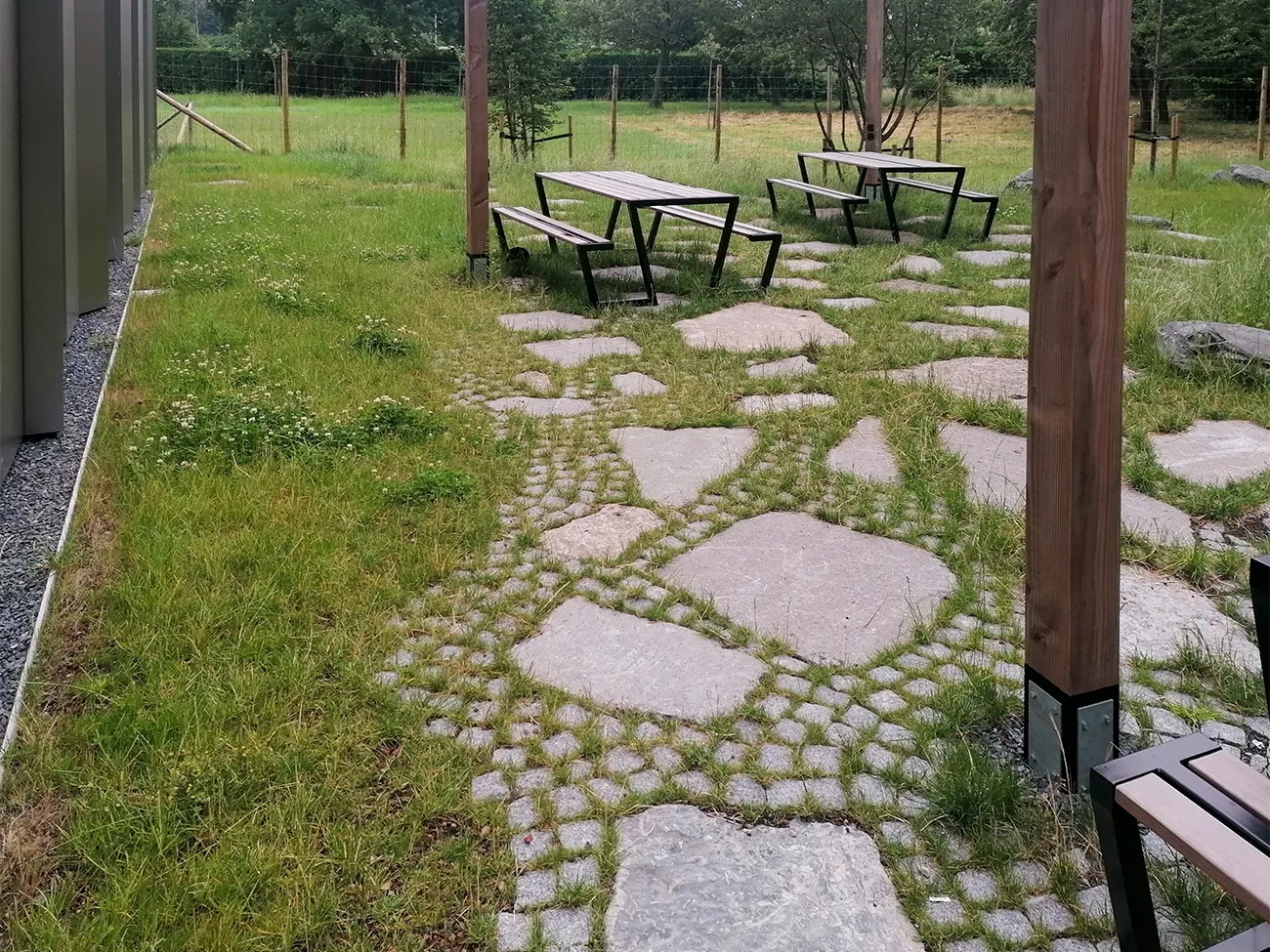
TerraViva®
Acterra also achieves good results on sandy soils with TerraViva® Groen soil improver, which helps retain water for longer. TerraViva® Groen is designed to make light soil heavier, while TerraViva® Geel lightens heavy soil. TerraViva® soil improver improves the microbial balance of the soil structure, promotes growth and drought resistance, and works not only for lawns but also for all plantings of broadleaf trees and shrubs. TerraViva® soil improvers are made from live composts, which means they are extremely rich in fungi and bacteria. Optimum water retention Mixing TerraViva® soil improvers into the soil provides optimum water retention capacity and releases rainwater to plants slowly over an extended period. This drastically reduces the need for artificial irrigation, resulting in less water wastage, lower water bills and fewer plant losses. “When choosing to depave, it is important to ensure that the structure extends all the way through, from the subsoil to the surface. There is no point in providing greenery on top of a pile of concrete. What we put into our soil now matters for future generations. That is why the mixes are also particularly sustainable and have been developed to require virtually no maintenance,” concludes Bart Geerts.
Question about this story? Ask your question
Keep following this
Get an email when a new story is published. No account needed.
- SubjectMachines & equipment